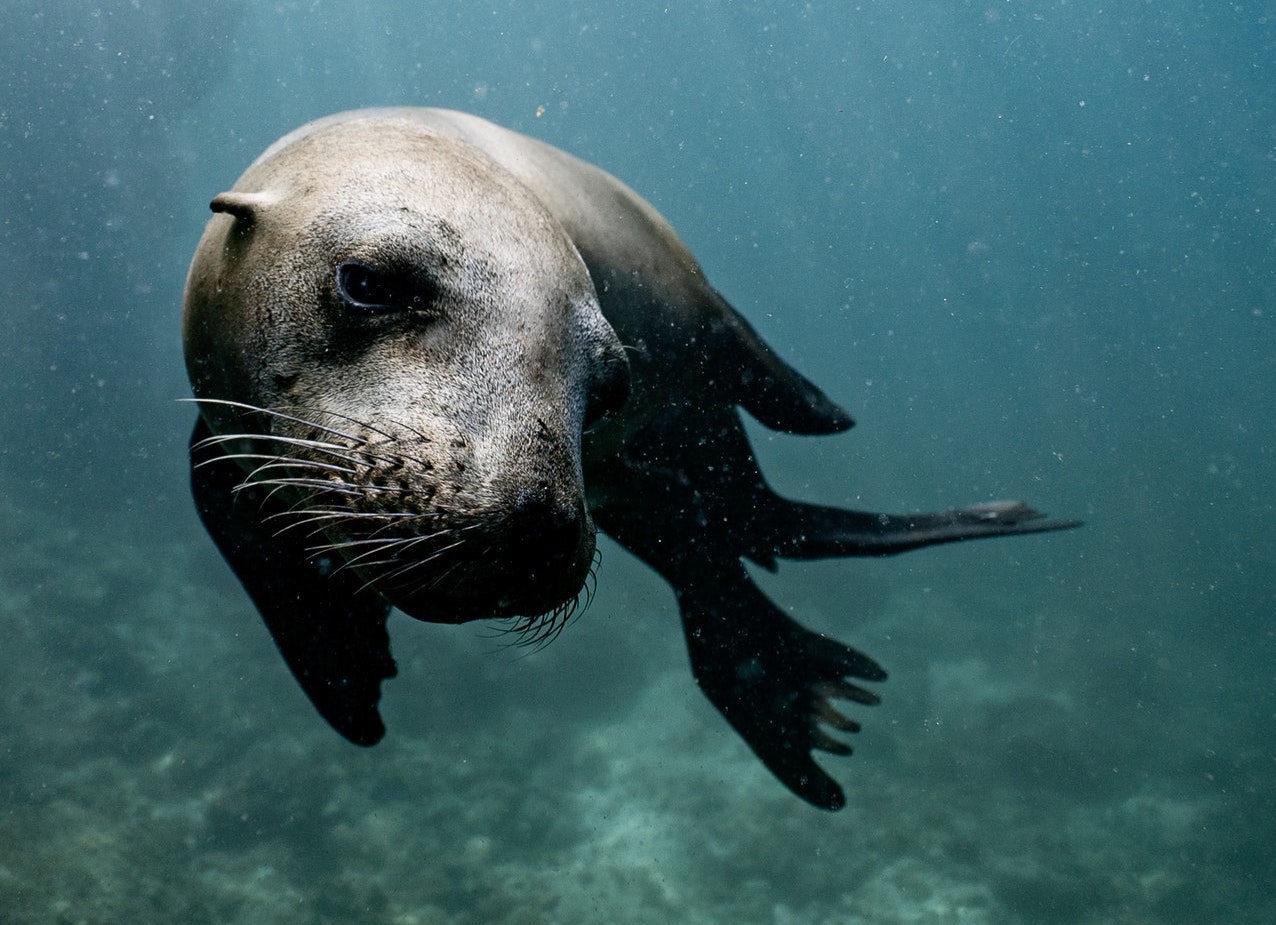
A rabies outbreak has occurred within the seal population along the Western Cape coastlines, so CapeNature is getting ahead, sharing tips on how to avoid encountering them and what to do if you do!
Western Cape, South Africa (28 October 2024) – The public is urged to exercise caution and follow safety guidelines during the upcoming summer holiday season when encountering Cape fur seals. These marine mammals are an integral part of our coastal ecosystem, but it is crucial to recognise that human-wildlife interactions can have severe consequences.
Recently, reports of aggression and positive rabies cases have been noted in Cape fur seal populations.
Any activities that disturb seals are illegal according to the NEMBA (National Environmental Management: Biodiversity Act) TOPS (Threatened or Protected Species) regulations without a permit.
These activities include petting as it disturbs the animal’s natural behaviour and exposes individuals to potential dangers, including bites and scratches. Even in instances where a seal pup is found on a beach, people should avoid interacting with the animal. The public should contact the authorities who are trained and equipped to rescue and care for such animals.
While it is common for seals to haul out on beaches to rest and for deceased seals to wash ashore having died from natural causes, it is important to recognise any signs of distress or abnormal behaviour. Seals may display defensive behaviour if they feel threatened or are injured. They may display aggressive behaviour if infected by rabies. Rabies can be transmitted through bites, scratches or direct contact with saliva and is fatal for both humans and unvaccinated animals.
The public is urged to stay away from seals and do not attempt to touch or engage with them.
Swimmers and surfers must remain extra vigilant while in the sea. If a seal is spotted, exit the water immediately and report it to the lifeguards or Municipal Authorities.
“The recent confirmation of rabies in our local seal population is a reminder of the importance of the caution that is required in our coexistence with wildlife and the need for vigilance. By following these guidelines, we can help prevent the spread of this serious disease and protect both human and animal health. We encourage everyone to stay informed and proactive in their interactions with wildlife during this critical time.” – Dr Ashley Naidoo, CEO of CapeNature
In case of a seal bite:
- If a seal bites someone in the water, the beach will be closed immediately, marked by the activation of a shark siren and the raising of a shark flag, if available.
- Shark spotters or lifeguards will promptly notify CapeNature and the State Vet, who will provide guidance on the necessary action. Municipal Disaster Management will also be informed.
- Lifeguards or first responders will monitor and track the seal’s movements.
- The beach will only reopen after the seal has been safely removed or has vacated the area.
- Anyone bitten should seek urgent medical care at the nearest hospital. At the scene, the wound must be thoroughly washed with soap and water for 10-15 minutes. Then, the person must be taken to the nearest hospital to receive rabies vaccinations. The patient needs to inform the hospital personnel that the bite is from a seal that may be rabid.
- A video of the seal’s behaviour should be captured and sent to CapeNature at 083 236 2924, including a location pin. This will be placed on the appropriate stranding network for advice and planned reaction.
If your pet has been bitten by a seal, consult a local state veterinarian. Provide details of the incident, including wound type, treatment received, and vaccination history. Follow the same wound-cleaning protocol for pets as for humans. Ensure your pets are vaccinated against rabies. It is a legal requirement for all dogs and cats in South Africa to be vaccinated.
Related Stories
 When a Night of Dance Brings Hope to Hundreds of Paws in Lavender Hill
 Tim Steyn Named Landscape Designer of the Year!
For further assistance, or if you suspect an animal is infected, please refer to the individual nature reserve posters. The downloads can be found here.
 by
by