A proudly South African version of a global communication tool will help Afrikaans-speaking children with speech challenges express themselves in their own language and context.
Stellenbosch, South Africa (10 August 2025) – A group of researchers from Stellenbosch University have created something truly special. A new tool that gives Afrikaans-speaking children with speech and communication challenges a better way to express themselves.
We all rely on language to connect, ask for what we need, tell our stories, and feel seen. But for children who struggle to speak, whether because of autism, cerebral palsy, or other communication difficulties, that can be incredibly hard. That’s where a tool called AAC comes in.
AAC stands for augmentative and alternative communication, and it includes things like pictures or symbols that children can point to or select to ‘talk’. The problem is that many of the AAC tools currently available are made in other countries, which means they include symbols and words that don’t always make sense in a South African context. (Think “dollar” instead of “rand” or unfamiliar foods and buildings.)
So, the team from Stellenbosch decided to change that.
Together with tech company Tobii Dynavox, they worked on adapting a well-known AAC system into Afrikaans, using symbols, words, and images that feel familiar and local. Instead of international landmarks or objects, children will now see things like Table Mountain and South African currency when navigating the tool. It’s all about making communication feel natural, meaningful, and empowering.
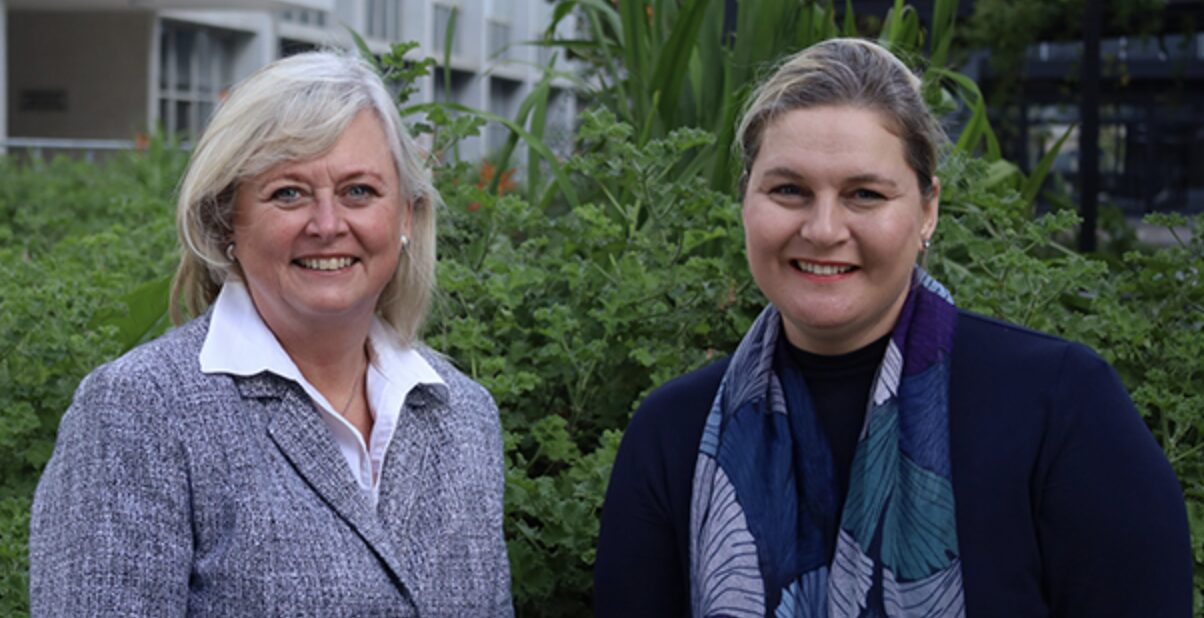
“This project supports the fundamental right of every child and adult to have their own voice, regardless of their ability to speak,”says Prof Juan Bornman, one of the project leaders.
The project focused on children who speak Afrikaans, but it’s just the beginning. The same method can now be used to create similar tools in isiXhosa, Sepedi, and other South African languages, making communication more inclusive for thousands of children and adults across the country.
“When symbols relate to users’ everyday realities—for example, seeing ‘Table Mountain’ or ‘Rand’ instead of unfamiliar international items—it doesn’t just ease communication, it becomes more meaningful and useful in the local context,” explains team Speech-Language and Hearing Therapy lecturer, Monique Visser.
It’s estimated that around 35,000 Afrikaans-speaking South Africans need AAC to communicate, and this project is a big step toward making sure they’re supported, understood, and empowered.
 Misha Schoeman Qualifies to Represent South Africa in Boston
 Three Western Cape Nature Reserves Now Accept Donations for Communities in Need!
 by
by