It’s boots on the ground teamwork helping tip the scales for wildlife in Phalaborwa and surrounds.
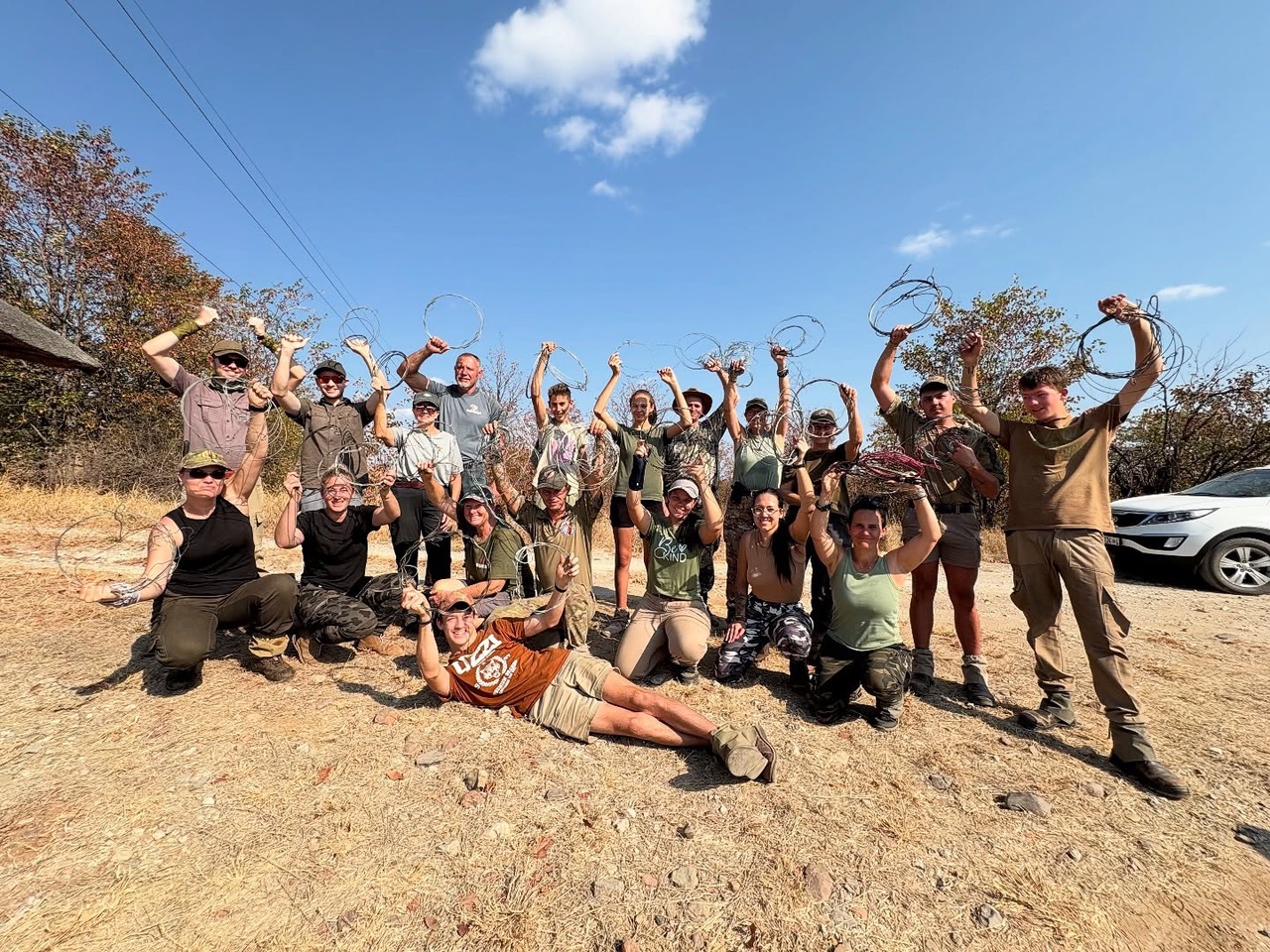
Phalaborwa, Limpopo (21 August 2025) – Phalaborwa’s Natural Heritage Foundation (PNHF) spent the last couple of days tracking down and removing an astonishing 111 deadly snares across three operations on two properties in Limpopo, where wildlife roam.
Snares are deadly traps laid out to catch anything from small birds and porcupines to buffalo, elephants, impala and kudu. Even predators like leopards, lions and unintended victims like vultures are often caught in snares. They are often hidden in the bush by poachers, hoping for an easy catch.
What most people don’t realise is how much suffering is involved. Animals can be trapped for days, badly injured, or killed outright. The reality is sad. In the PNHF’s recent operation, the team found heartbreaking evidence of that.
“[We] found a spot where a lioness and white-backed vulture was killed by snares in a well-hidden snare line. The lioness’s face and feet were hacked off and all that remains is a pile of bones,” the PNHF shared.
Remains of multiple impala and kudu littered the area, clear signs that these snare lines can wipe out entire food chains if left unchecked.
That is why the amazing work of this non-profit that helps to rescue injured wildlife and remove snares deserves to be celebrated. There’s good news here, too.
Thanks to volunteers, another snare line was found and removed before it could claim any more victims. Every wire pulled out is a life potentially saved, and every operation means fewer animals lost to senseless cruelty and human-animal conflict.
The fight against snaring and poaching is never easy, and it’s certainly never finished. The organisation, which launched five years ago, has covered amazing ground this year alone, having patrolled over 464 kilometres, removed over 1349 snares and rescued 10 animals in 2025.
“It is easier said than done, but we will keep fighting!” says the PNHF.
 The Hope Dealers: Jozi Trails Looks After the City's Longest Green Artery
 Banjo's Best Life! Scruffy Pup Found in Bushes Gets Happiest New Beginning
The work relies on volunteers, donors, and local support from the Phalaborwa community and its surroundings. It just shows what a big difference ordinary people can make for wildlife.

 by
by