Today, we celebrate the powerful impact of after-school learning programmes through the 6th annual Lights On After School campaign! These are programmes that are doing far more than just extra tutoring; they are closing unequal learning gaps and offering a human connection that sets Mzansi’s youngsters up for success.
South Africa (26 October 2025) – For some youngsters, time spent in the classroom room, is not always enough to fully grasp concepts, equations or new material delivered in a single lesson. That is why after-school learning programmes play a significant role in delving deeper into topics and offer a human connection that helps to close the gap in unequal learning outcomes.
This past Thursday, on 23 October, the country celebrated these programmes through the 6th annual Lights On After School (LOAS) campaign, a global movement that highlights the critical role of the NGO after-school sector in changing the odds for our youth, and providing better employment opportunities.
Led locally by The Learning Trust in partnership with YearBeyond, LOAS shines a spotlight on the critical role After School Programmes (ASPs) play in shaping young lives, by reducing school dropout and creating pathways out of poverty and unemployment.
In a country facing low literacy and numeracy levels, where less than half of learners pass Grade 12, after-school initiatives offer a true lifeline to millions of South African children. Run largely by charities serving learners in low-fee schools (quintiles one to three), these community-based charities provide a holistic range of services, from academic tutoring and psychosocial support to humanitarian relief.
Investing in Brighter Futures
Under the theme “Investing in Brighter Futures,” Western Cape Premier Alan Winde officially launched the digital LOAS campaign earlier this month, celebrating the power of after-school programmes to build safer communities, support families, and create brighter futures.
“From the time a child enters the education system and eventually joins the job market, it is our job to give them the best possible chance in life to make a success of themselves, to uplift their families and make a positive contribution to their communities,” said Winde.
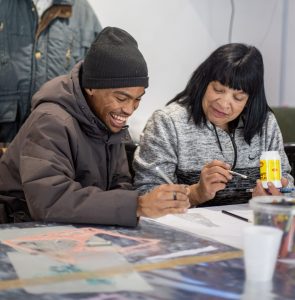
From sports coaches and arts facilitators to literacy tutors and coding instructors, mentorship lies at the heart of after-school programmes. The dedication of these individuals turns classrooms and community halls into safe spaces where children can explore their potential and build confidence. And this year’s theme celebrates these unsung heroes — the “hidden educators.”
“Mentors are often the missing link between what is taught in school and what’s needed to navigate the real world. Many of the young people we work with don’t always have strong support systems at home, and a mentor steps in to fulfil this gap. They open doors to networks, opportunities, and soft skills that learners may never have been exposed to otherwise,” says Charlene Petersen Voss, Executive Director at The Learning Trust.
In South Africa, where youth unemployment hovers at a crippling 45.5%, the value of mentorship is becoming increasingly clear. Having someone to guide, encourage, and invest in the next generation could be key to unlocking our youth’s potential and turning it into success.
Related Stories
 Heritage Day: Poet Celebrates Kaaps Dictionary
 First for SA! Robotic Legs to the Rescue on Platteklip Gorge
The Human Connection
Learners are more likely to drop out of school when they feel disconnected or unsupported. After-school mentors change this by keeping learners accountable, helping them work through setbacks, and showing them why it’s worth staying the course.
“When learners feel someone genuinely cares about their success, attendance improves, motivation grows, and the likelihood of dropping out decreases significantly. Evidence from IkamvaYouth shows mentor-driven programmes consistently achieve matric pass rates of around 85% for learners in under-resourced schools, well above the national average,” adds Voss.
A study by the National Mentorship Movement found that after just one year, unemployment among mentees dropped from 73% to 19%, with 71% securing jobs in their chosen field. These results highlight mentorship as a powerful intervention in tackling South Africa’s youth unemployment crisis.
Many mentors are young people themselves, often only a few years older than the learners they support. Peer mentorship has proven particularly effective, as young mentors can build trust and relatability, showing learners tangible examples of success they can aspire to.
Programmes like Nine Tenths in Makhanda and the Western Cape ASP quality study show that involving former learners or near-peers as mentors strengthens outcomes and builds leadership skills among mentors themselves.
YearBeyond, a flagship national youth service programme, harnesses this power by placing young, unemployed South Africans as mentors in schools and after-school centres. Their impact has been profound, with over 90% of educators reporting enhanced learner self-esteem and 86% witnessing improved literacy outcomes.
“Mentors — or as we know them, after-school practitioners — show learners that success is within reach, especially when they come from the same communities or have faced similar challenges. They equip young people with essential life skills, build their confidence, and often become the spark that ignites their ambition,” says Wayde Groep, Communications and Advocacy Manager at YearBeyond.
Alexis Booysen, a 20-year-old YeBoneer from Bonteheuwel in the YearBeyond Libraries Programme, is a shining example.
Alexis teaches coding to learners from local Cape Town schools, helping them develop valuable digital skills while building friendships and resilience. Under her guidance, the team, known as Screen Machines, recently represented South Africa in the Coding World Cup on 30 September.
“Watching my learners grow in confidence and form meaningful friendships has been the most rewarding part of this journey. Aside from learning coding, they also lean on me for emotional support and see me as a big sister,” says Alexis.
To learn more about Lights On After School and how you can support mentorship programmes in your community, visit www.thelearningtrust.org or email [email protected]
Sources: Supplied
Don’t ever miss the Good Things. Download the Good Things Guy App now on Apple or Google.
Do you have something to add to this story? Please share it in the comments or follow GoodThingsGuy on Facebook & Twitter to keep up to date with good news as it happens, or share your good news with us by clicking here or click the link below to listen to the Good Things Guy Podcast with Brent Lindeque – South Africa’s very own Good Things Guy. He’s on a mission to change what the world pays attention to, and he truly believes there’s good news around us. In the Good Things Guy podcast, you’ll meet these everyday heroes & hear their incredible stories:
Or watch an episode of Good Things TV below, a show created to offer South Africans balance in a world with what feels like constant bad news. We’re here to remind you that there are still so many good things happening in South Africa & we’ll leave you feeling a little more proudly South African.
 by
by