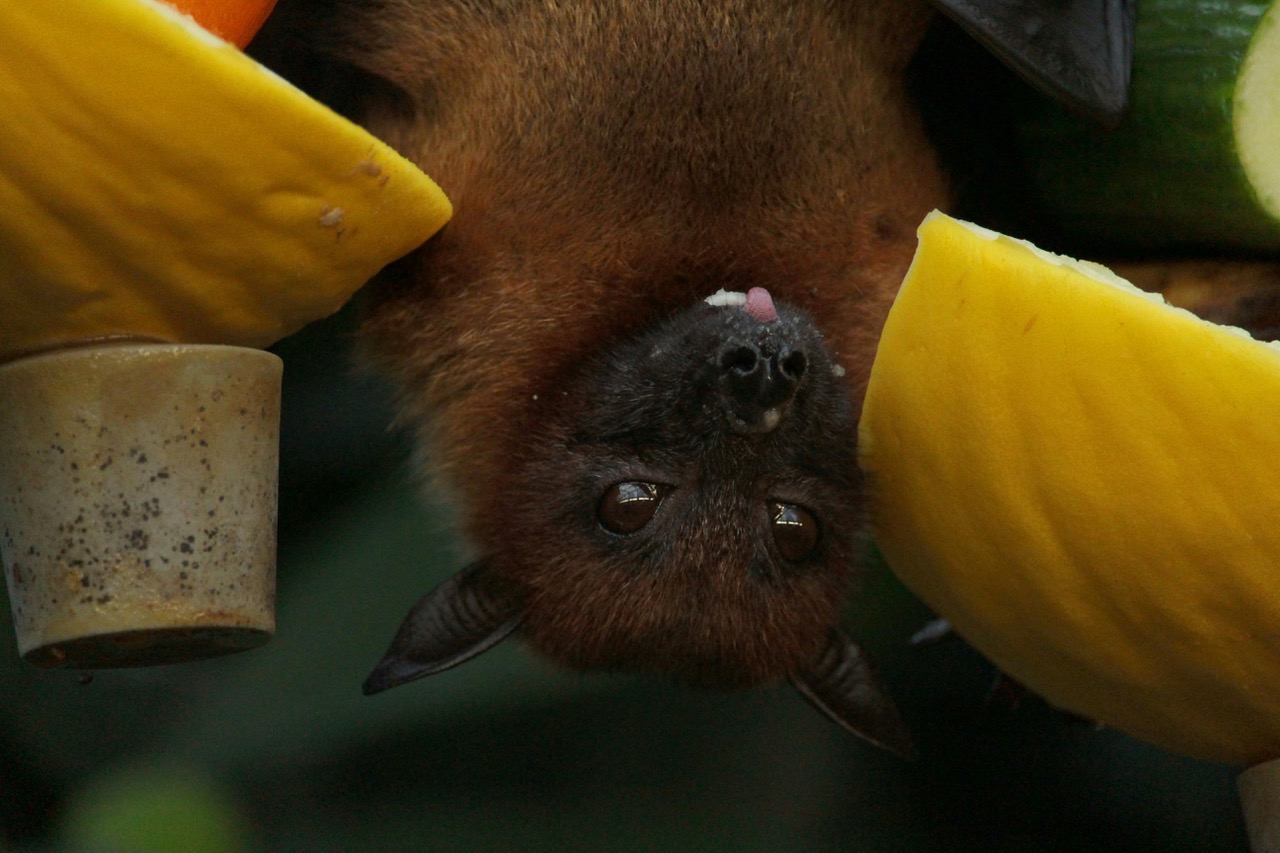
If you’ve got bats in your roof, before you do anything about them, it’s worth knowing a few things – most ‘obvious’ solutions are often illegal, ineffective, and surprisingly cruel.
South Africa (20 April 2026) – With April 17th being International Bat Appreciation Day, we’d like to share information provided by ReWild, a wildlife rehabilitation centre based in Phalaborwa, covering what you need to know about dealing with bats in your home humanely and legally.
First, are they actually even a problem?
Bats are really clean animals. Unlike rats, they don’t chew through wires or cause structural damage. What they do is eat insects! A single small bat can put away up to 600 mosquito-sized insects in one hour. So if you only have a few, you might want to reconsider evicting them. That said, if you have a very large colony making noise and mess, they’re most likely Free-tailed bats, and yes, that can become a problem worth addressing.
There are also some things that may be considered ‘common’ that you should actually not do.
There are no poisons legally registered for use against bats in South Africa. That means using any poison, Jeyes Fluid, chlorine, fumigation tablets, or similar substances is illegal and can result in a fine or jail time.
Catching bats, transporting them, and releasing them elsewhere is also illegal without the proper permits. And even if someone does relocate them, bats often fly back within a day or two, some have been recorded flying at 160km/h!
Many pest control companies claim to offer ‘humane bat removal.’ ReWild advises caution here too. From their experience, many of these companies use poisons or other harmful methods despite what they say. Some that offer ‘relocation’ are simply catching and killing the bats offsite. If you use a pest control company, watch what they actually do.
The right thing to do, if you really do have a bat problem, is called exclusion.
The only internationally accepted humane and effective method is exclusion. Essentially, you let the bats leave on their own and make sure they can’t get back in.
Related Stories
 Temu Refused to Leave His Poisoned Dog's Side and Love Won the Day!
 Rescuer Carries Costs of Injured Toad's Important Surgery
Timing is the most critical part. Exclusion must be done outside of bat breeding season, otherwise baby bats get sealed inside alone and starve. That’s both unpleasant and prosecutable as animal cruelty.
Safe windows for exclusion in South Africa in Limpopo, KZN and Mpumalanga is mid-June to September. In the rest of South Africa, March to September, excluding July and cold spells. ReWild recommends August as a generally safe month.
One important note to remember is that South African bats don’t migrate in winter, but they do go into a torpor (a kind of mini-hibernation). One shouldn’t assume a quiet roof in winter means the bats are gone, they may just be inactive. Sealing a roof in winter based on that assumption risks trapping them inside.
Click on this link to find detailed steps on how to do exclusion properly. It isn’t complicated, but it does take patience and sometimes a few attempts. If you’re battling, or if you’re dealing with a bat problem during breeding season, contact ReWild directly before doing anything. They can help you manage the situation without harming the bats.
 by
by