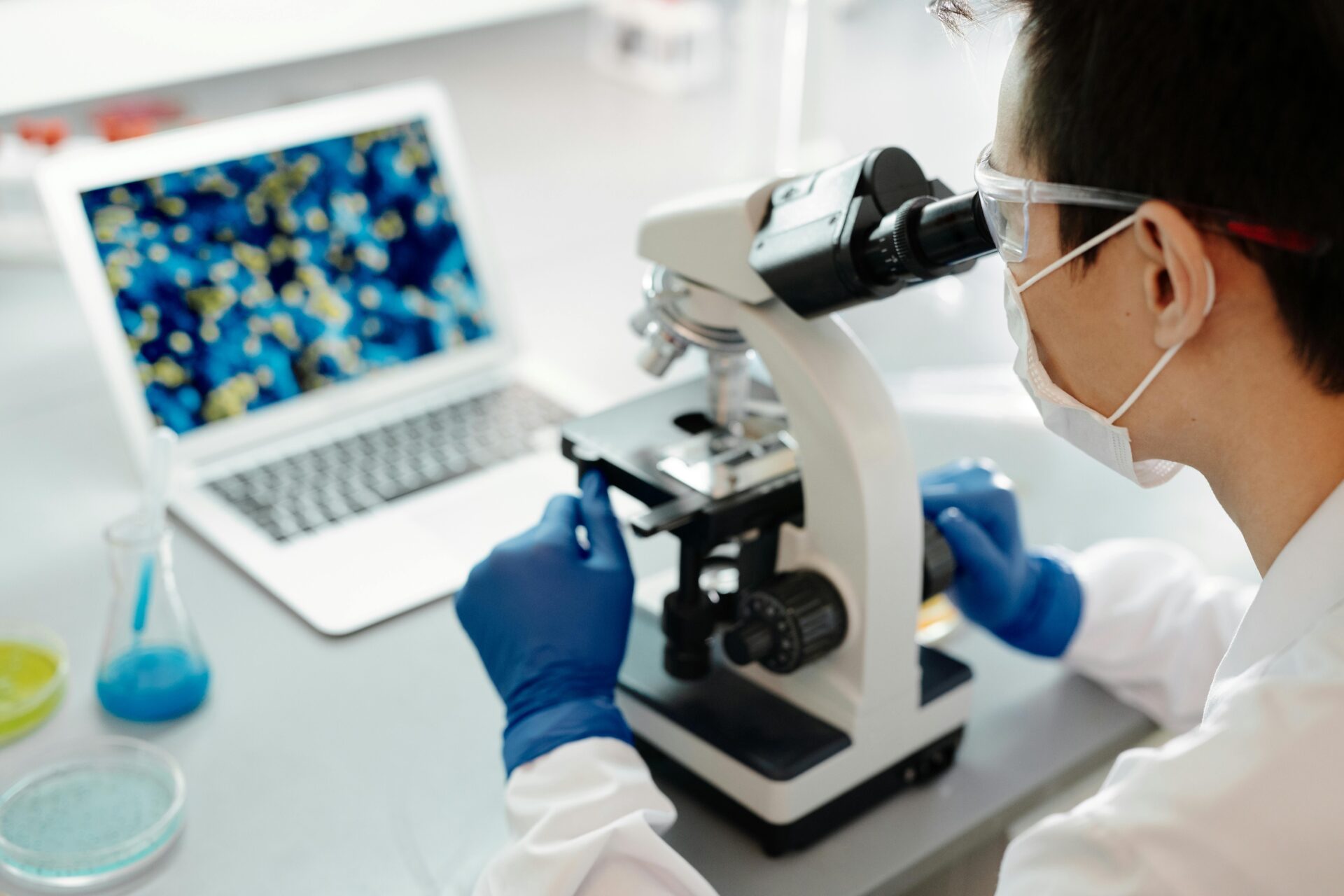
From biodiversity mapping to plastic pollution, JWO-funded research is beginning to influence conservation and policy across Africa.
South Africa (24 April 2026) – The real test of research is not what it discovers, but what it changes.
Across Africa, a new generation of scientists is moving beyond data collection to reshape conservation policy, influence environmental law, and rethink how ecosystems are managed.
The Jennifer Ward Oppenheimer (JWO) Research Grant (valued at US$150,000) was established to support exactly this kind of work — bold, Africa-led science tackling the continent’s most urgent environmental challenges.
But what happens once the funding is awarded? And how do researchers successfully apply?
In the latest Tipping Points webinar, three past JWO winners reflected on how their research has moved from idea to impact, offering a look at how science on the continent is shaping real-world decisions. They also provided tips on developing strong proposals, navigating the application process, and turning ambitious ideas into feasible, fundable research projects.
Turning the tide on plastic pollution
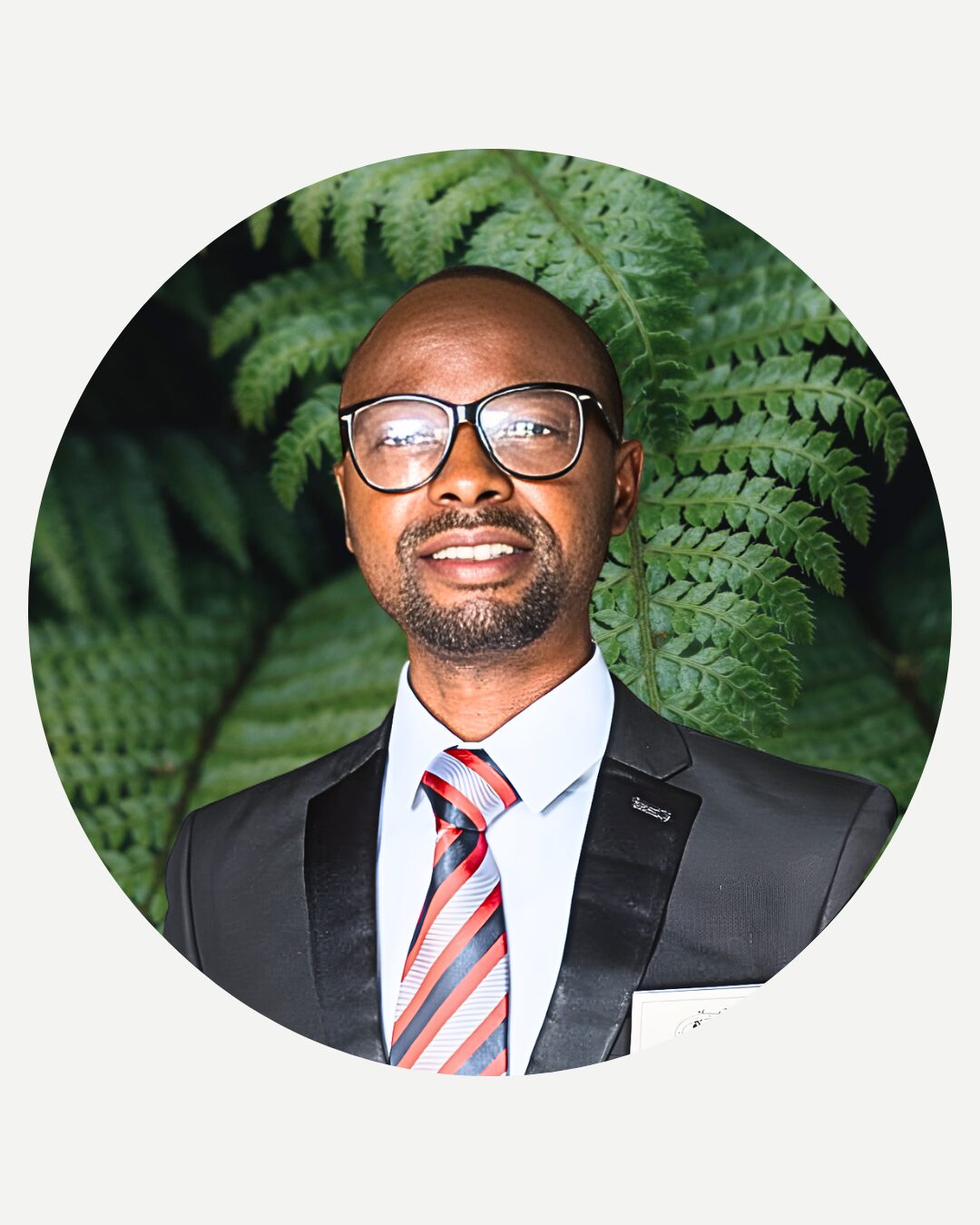
Dr. Gideon Idowu, the 2021 JWO grant winner, tackled one of the fastest-growing threats to African waterways: microplastics and plastic-derived chemical contaminants. As an environmental chemist, he was driven by a frustrating reality.
“There are environmental laws in Africa, but they are not enforced as they should, and so people don’t appreciate the impacts of all of this that we just accumulate in the environment,” Idowu explained. “I wanted to provide evidence for what these things are doing in the environment beyond just the ugly looks.”
His research established that under natural outdoor conditions, plastics release hundreds of chemical additives into the environment. Polystyrene, widely used for food packaging, released the highest number and concentration of these contaminants.
His work also highlighted the hidden, sometimes bizarre, ecological damage of these plastics. Laboratory experiments on the African catfish revealed that exposure to these chemicals caused severe liver damage and a significant reduction in male reproductive hormones and sperm counts. Surprisingly, however, some plastic additives actually caused an increase in fish size.
Related Stories
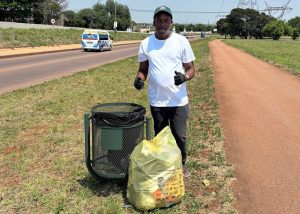
 An Overflowing Bin, a Passionate Activist, and a Lesson on Keeping Our Communities Clean
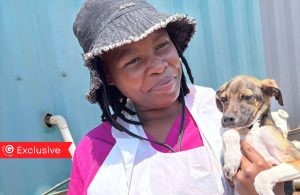
 For Her Birthday, This Dog Groomer Gave Shelter Dogs Pamper Sessions – and 3 Got Adopted!
“What tends to happen was that the metabolism of the fish was altered in such a way that the fish started feeding more aggressively,” Idowu said. “People can catch fish in the environment, thinking they’ve had a nice catch, and not knowing that those fish have been exposed to certain toxic chemicals coming from plastics.”
Idowu’s findings went far beyond the laboratory. Working with a consortium of organisations in the National Plastic Action Partnership, his data was utilised by the Nigerian government to help institute a ban on polystyrene and develop an action plan to eradicate single-use plastics by 2028.
Mapping Africa’s biodiversity
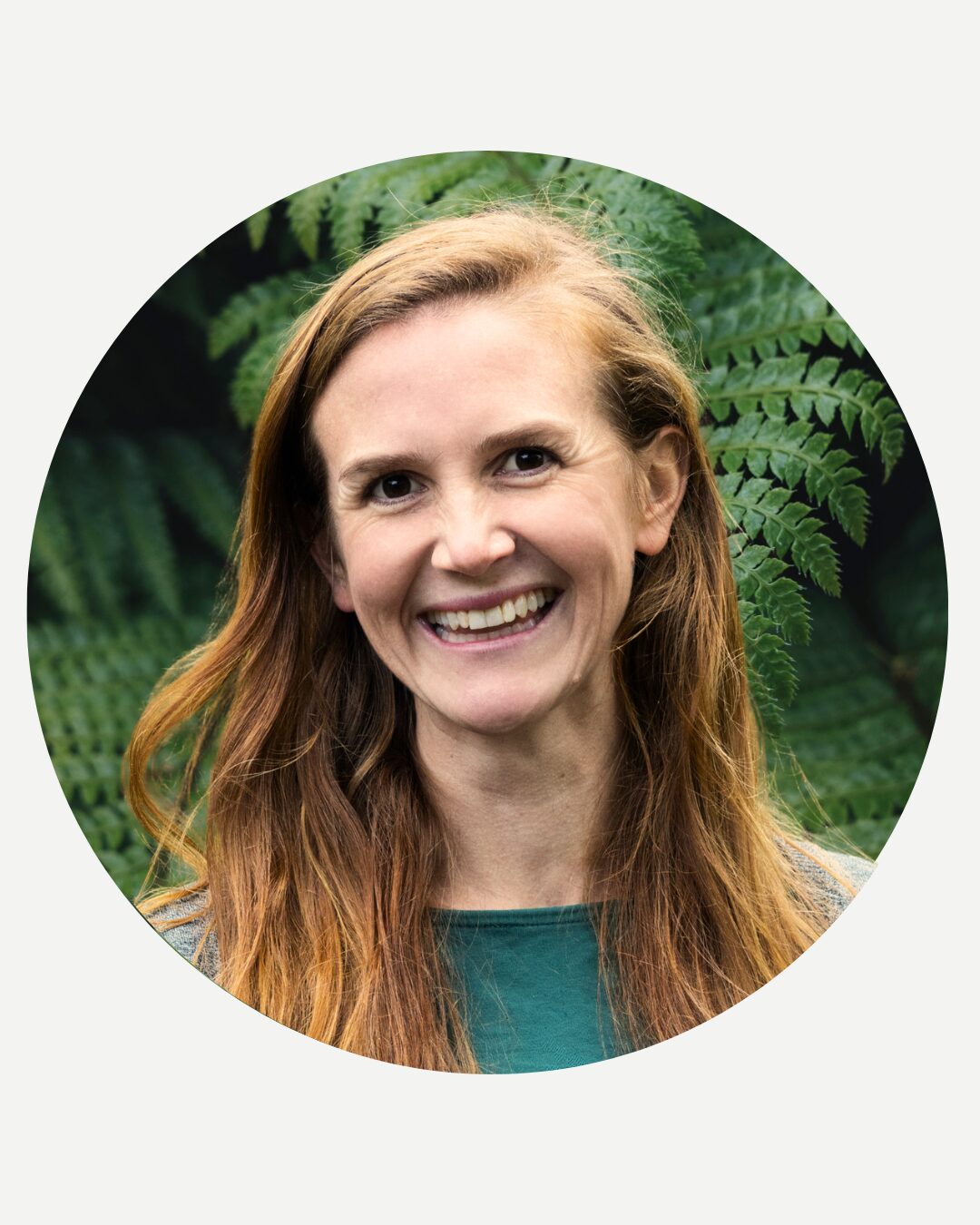
For Dr. Hayley Clements, the inaugural JWO Research Grant recipient in 2019, the drive to understand nature started early.
“I was that kid that just loved nature,” Clements recalled. Growing up in Johannesburg, she would spend her days “scraping dead frogs off the road and burying them in the back garden, and running little experiments.”
That lifelong curiosity ultimately led to her ambitious JWO project: building a Biodiversity Intactness Index for Africa. Because the continent lacks the massive biodiversity datasets available elsewhere, Clements mobilised a network of 200 African biodiversity experts to translate their localised, on-the-ground knowledge into a scale-flexible data tool.
“Initially I thought of that as a means to an end, but I think actually that was one of the nicest outputs of this project — actually building that network,” said Clements.
Read: From discovery to impact — Mapping Africa’s biodiversity
Her landmark research, which recently made the front cover of Nature, revealed a striking reality: 84% of the wild populations of plants and animals remaining across the continent are not in protected areas. Instead, they exist in working landscapes where over 500 million people coexist with and depend on them.
“This is really a call to action that we need to reimagine and expand the toolkit of conservation models if we are actually going to bend the curve of biodiversity loss,” Clements noted, emphasizing the need to recognise local stewards and integrate wildlife into rural economies.
Safeguarding freshwater food webs
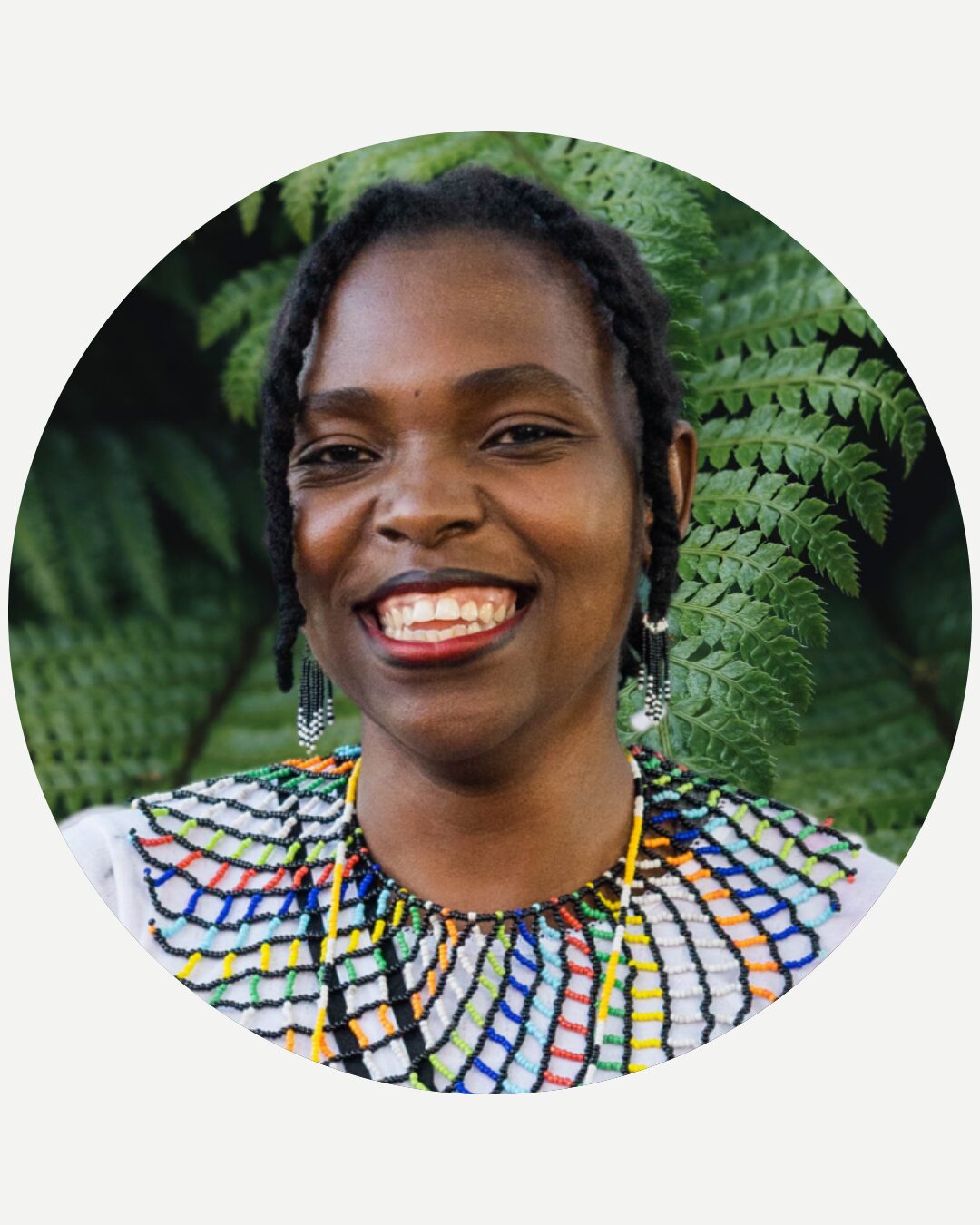
The newest voice on the panel, 2025 winner Dr. Nompumelelo Baso, is exploring how climate change and invasive species intersect to disrupt freshwater ecosystems.
Her path to botany and ecology was a happy accident. “I originally didn’t even know there was such a thing as botany, or ecology,” said Baso. “I applied for pharmacy. And luckily, the universe saw it fit that that programme wasn’t available… That resonated much better with my heart.”
Through stable isotope analysis, her team is examining food web interactions to see how water quality and native species are affected by invasions.
“These invasives are more tolerant to disturbances like climate change, so they are more resilient and can out-compete our native species way more in those instances,” she explained.
Her ultimate goal is to build “APASTAR dashboards” that will provide policymakers and resource managers with an accessible, real-time view of individual species dynamics across sub-Saharan Africa.
Already, her project is making localised impacts, recently confirming the successful clearance of invasive water lettuce from a critical system in KwaZulu-Natal using biocontrol agents.
Top tips for future JWO applicants
With the 2026 call for JWO applications currently open, the panellists shared their top advice for aspiring researchers.
Be bold but feasible
Clements advised applicants to pitch a bold idea that has the potential to “really shift the dial,” but warned against being overly ambitious. “Make sure that it’s feasible with the amount of money and the amount of time that you have.”
She also highlighted the necessity of speaking to your host institution right at the beginning of the application process to ensure budget templates and overhead costs are accurately accounted for, avoiding “nasty surprises at the end”.
Prioritise clarity over quantity
Idowu emphasized the importance of clear writing and having colleagues review your proposal. He also noted that applicants shouldn’t feel pressured to meet maximum word counts: “Don’t feel pressure that you have to exhaust all of the word limits… it shouldn’t be about quantity but about quality.”
Bring your authentic self
Baso encouraged applicants to meticulously follow the provided guidelines, but reminded them to make it personal. “You also have to put some of yourself in there, so your authentic story needs to come out in your application… to share why this program is for you”
Don’t rush it
Facilitator, Robert Inglis of Jive Media Africa, wrapped up with a practical warning for those entering the grant competition. “Don’t leave this for the night before … And make sure you’ve proofed it. You don’t want mistakes in your application. They won’t do you any favours.”
Applications for the 2026 Jennifer Ward Oppenheimer Research Grant close on May 1, 2026. The successful applicant will be announced at the Oppenheimer Research Conference taking place from October 7–9, 2026.
View grant guidelines and application details here.
 by
by