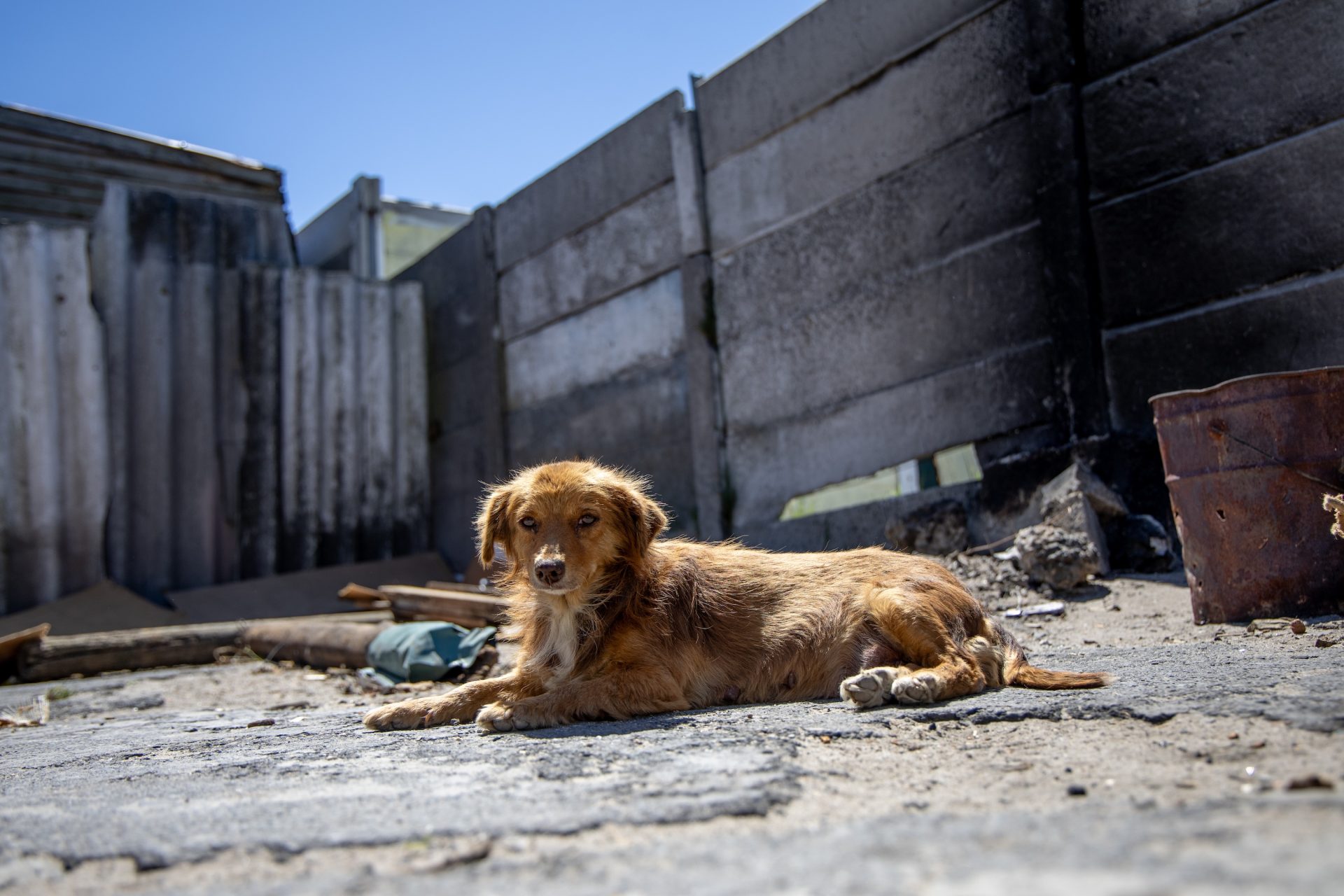
South Africa’s animal homelessness crisis cannot be solved by shelters alone. FOUR PAWS says responsible pet care, sterilisation and education must be part of the solution.
South Africa (14 August 2026) – As South Africa prepares to mark International Homeless Animals Day on 15 August, a simple reminder is worth making: sometimes the most powerful way to help a homeless animal is to prevent it from becoming homeless in the first place.
Animal shelters and rescue organisations across the country work tirelessly to care for animals who have been abandoned, lost or left without homes. But while rescue is essential, FOUR PAWS says the long-term answer to South Africa’s growing stray animal crisis lies further upstream, in responsible pet guardianship, access to sterilisation, education and accountability.
Recent data from Statistics South Africa’s General Household Survey offers the clearest picture yet of companion animal ownership in the country. The survey found that 7.4 million dogs are owned by 4.2 million households, representing 21% of all households, while 2 million cats are owned by 1.3 million households, or 6.4% of households.
The data provides an important foundation for understanding South Africa’s owned companion animal population and planning more effective animal population management. It does not, however, capture the number of animals living on the streets.
And that is where the bigger challenge begins.
“Responsible pet guardianship is the foundation of any long-term solution,” says Fiona Miles, Director of FOUR PAWS South Africa. “Without education, access to veterinary care and accountability, the cycle of abandonment and overpopulation will continue. Every pet guardian has a responsibility to ensure their animals are properly cared for, identified and sterilised.”
Prevention is part of rescue
Responsible pet guardianship is about more than putting food in a bowl and providing a roof overhead.
It means making informed decisions about sterilisation, ensuring animals receive appropriate veterinary care, preventing accidental litters, keeping pets properly identified and making a commitment to care for them throughout their lives.
For many South African families, however, that commitment can become difficult when money is tight.
Economic hardship can limit access to veterinary services, leaving communities with growing numbers of unsterilised animals. Without intervention, those animals can produce unwanted litters, contributing to a cycle that places even greater pressure on already stretched shelters, rescue organisations and animal welfare groups.
Related Stories
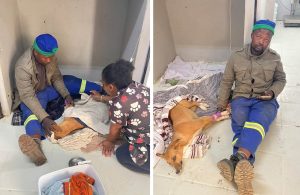
 Temu Refused to Leave His Poisoned Dog's Side and Love Won the Day!
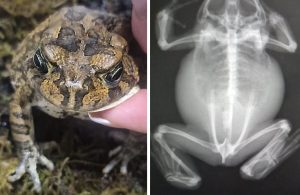
 Rescuer Carries Costs of Injured Toad's Important Surgery
FOUR PAWS says uncontrolled breeding, low sterilisation rates and limited community education are among the key drivers of companion animal overpopulation in South Africa.
The consequences extend beyond animal welfare. Increased numbers of unowned and unsterilised animals can contribute to disease, neglect and suffering, while also creating broader public health concerns, including dog bites and rabies risks.
At the same time, fragmented governance, chronic underfunding and the deprioritisation of companion animal welfare have left many non-governmental organisations carrying much of the responsibility for responding to the crisis.
“Many South Africans deeply care about animals and want to do the right thing, but access to information and affordable veterinary care remains a challenge in many communities,” says Miles.
“Preventing animal homelessness starts long before an animal ends up on the street. Through education, responsible decision-making and greater access to sterilisation programmes, we can reduce suffering and create lasting change for animals and the communities they live in.”
A problem that needs everyone
FOUR PAWS is calling on government to play a stronger leadership role in addressing companion animal overpopulation through investment in humane population management programmes, stronger enforcement of existing animal welfare legislation, greater access to sterilisation services and support for community education initiatives.
The organisation is also calling for closer collaboration between government, animal welfare organisations and veterinary professionals to create a more coordinated and sustainable response.
Because this is not a problem that one shelter, rescue organisation or animal lover can solve alone.
“Animal welfare in South Africa is not a side issue and needs to be supported by civil society, government and community efforts collectively with strong legislative frameworks to protect it,” says Miles.
“What we are short of is not care, but coordination at scale to create lasting impact. When we move together, purposefully and strategically, animal welfare becomes impossible to ignore.”
And perhaps that is the most important message this International Homeless Animals Day.
South Africa does not need more people to simply feel sorry for animals living on the streets. It needs more people, organisations and institutions working together to ensure fewer animals ever have to experience life on the streets in the first place.
For pet guardians, that can start with some very practical choices: sterilise your animals, make sure they are properly identified, provide lifelong care and seek help when circumstances make that difficult.
It can also mean supporting the organisations already doing the work, considering adoption when adding a pet to your family and helping others understand why sterilisation and responsible pet guardianship matter.
“A humane future for South Africa’s companion animals is possible,” Miles says. “But achieving it requires collective responsibility. Every act of responsible pet guardianship helps prevent suffering and brings us one step closer to ending the cycle of animal homelessness.”
This International Homeless Animals Day, perhaps the greatest act of kindness is not simply finding a home for an animal who has lost one.
It is helping make sure they never lose it in the first place.
 by
by