The Two Oceans Aquarium Foundation shares informative videos that shine a light on why it is so important to discard fishing gear and litter properly!
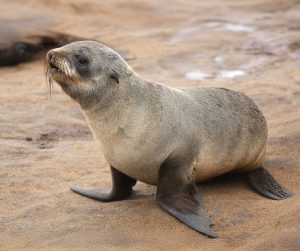
Cape Town, South Africa (14 August 2026) – Seven seals have been disentangled over the last month thanks to the Two Oceans Aquarium Foundation’s Marine Wildlife Management Team along the Cape coastline.
To help the public better understand what goes into these rescues, the team recently shared videos that explain the different kinds of entanglements they commonly respond to and the work involved in setting the animals free.
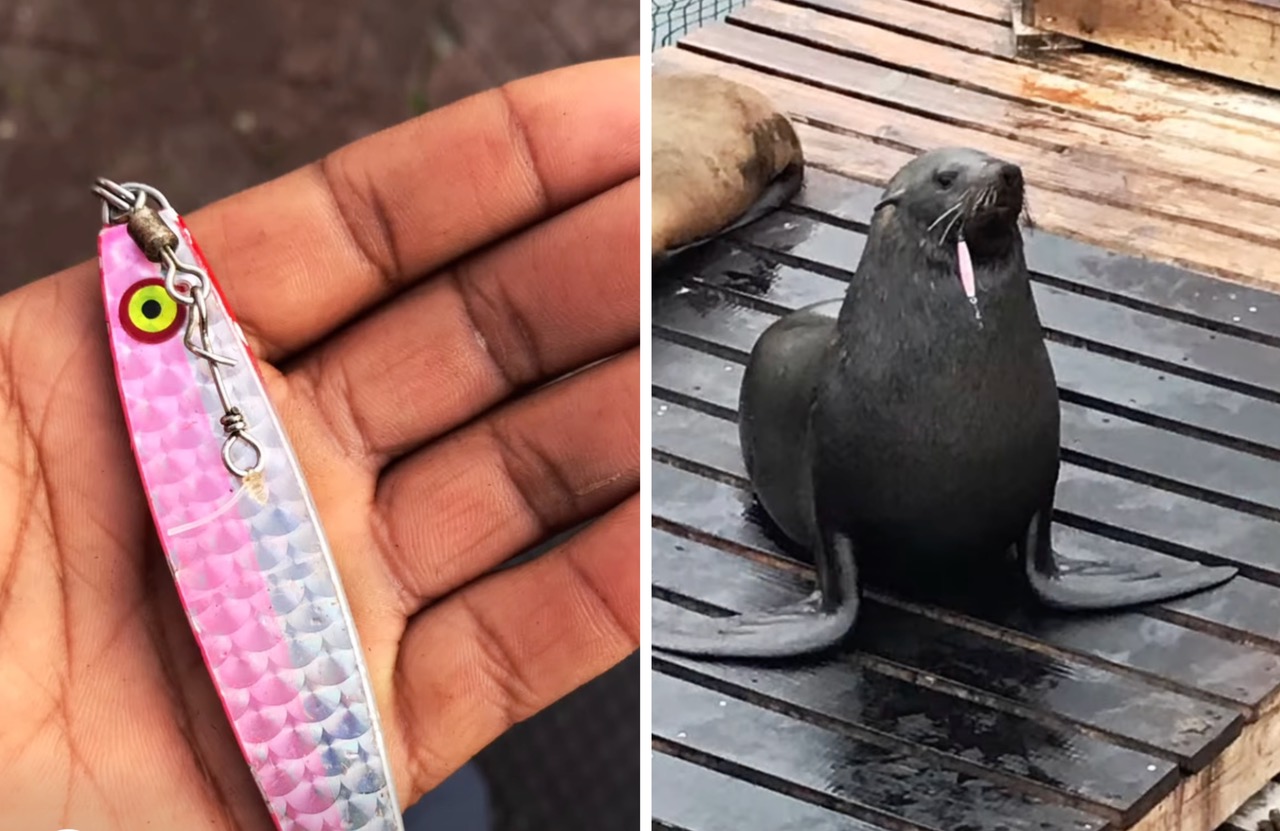
“July kept our marine wildlife team busy, with seven entanglements successfully removed from seals.” the foundation shared. “Among the hazards removed were two fishing lures. Abdullah explains how the team safely removes them and why these seemingly small items can have a devastating impact on seals’ ability to feed and move naturally.”
“Plastic debris and discarded fishing gear, including gill nets, are a major source of marine pollution. Gill nets are especially dangerous, trapping not only their intended catch but also turtles, seabirds, seals, dolphins, and other marine animals in devastating bycatch incidents.” it added.
Many of these harmful materials kept out of the ocean through responsible disposal. Fishing line, hooks, lures and damaged tackle should never be left on beaches, rocks or jetties, where they can easily be blown or washed into the sea. Instead, anglers should take them home for safe disposal or, where available, use dedicated ghost fishing line collection bins that have been installed by WESSA at many popular fishing spots and beaches across SA. These bins ensure old fishing line is collected before it can become a hazard and, in some cases, even recycled.
“Every piece of litter removed is another chance for marine life to survive and thrive.”
 Temu Refused to Leave His Poisoned Dog's Side and Love Won the Day!
 Rescuer Carries Costs of Injured Toad's Important Surgery
 by
by