A strong El Niño is expected to make this summer hotter and drier in the Western Cape, which raises the risk of wildfires. Your awareness matters!
Western Cape, South Africa (02 October 2026) – The Western Cape is preparing for what could be a challenging wildfire season, with a developing El Niño expected to bring hotter and drier conditions across the province.
The South African Weather Service has warned that this summer’s strong El Niño will likely come with below-normal rainfall. That doesn’t mean every part of the Western Cape is heading for drought, but less rain, higher temperatures and dry vegetation make for conditions where fires ignite more easily and spread faster.
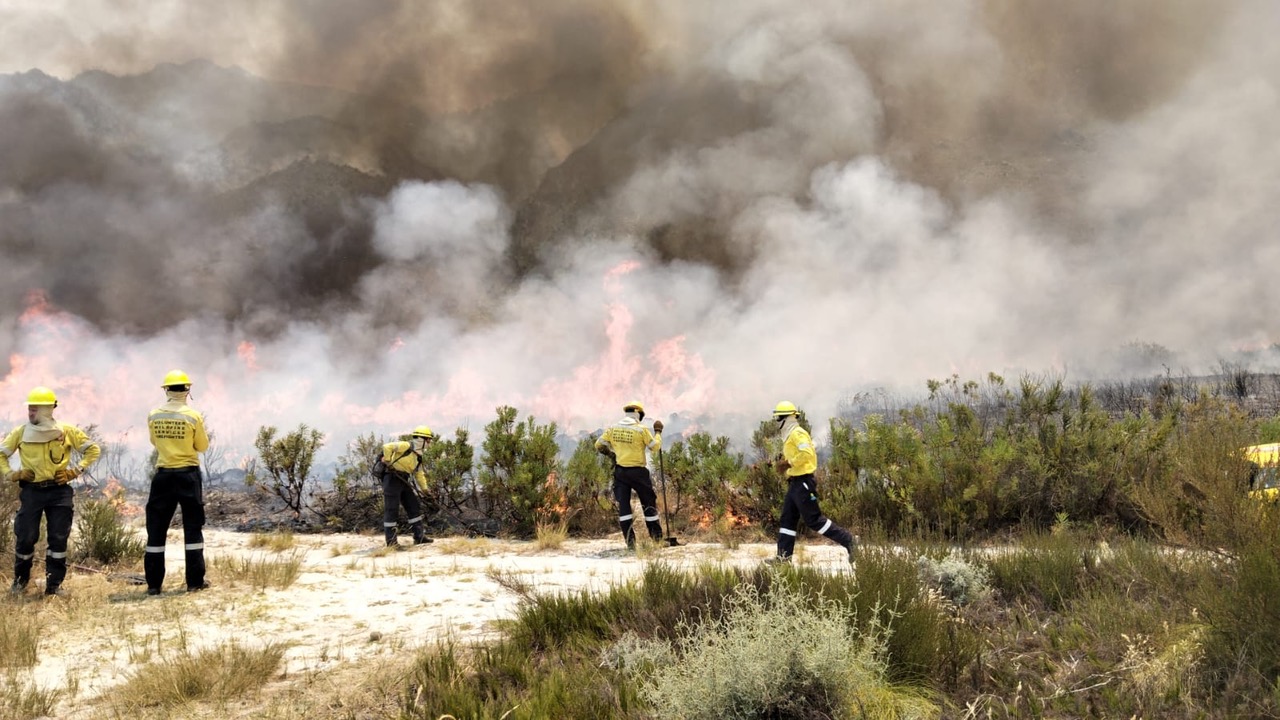
El Niño doesn’t drive fire on its own, but it can make fires more frequent, more intense and harder to contain. When vegetation is dry, even a small spark can turn into a serious wildfire. Wind could come from any direction, which puts firefighters on the fire lines at risk, because a fire can shift on them with very little warning.
Between April last year and March this year, CapeNature responded to 107 wildfires that were recorded in the Western Cape. These 107 fires amounted to 215 937 hectares burned of which 78 505 hectares was on CapeNature-managed nature reserves.
Of the fires last season, 63% were contained before they passed 100 hectares, thanks to CapeNature’s Large Scale Rapid Initial Attack model, which is all about getting to a fire quickly. Public reports are help make that possible.
“With the support of the public reporting fires we can act quickly,” says Coral Birss, CapeNature’s Executive Director of Biodiversity Capabilities. “Fire management and suppression is a large part of what we do, and we start planning for the next fire season before the previous season is over. Audits are done, equipment is checked and replaced where needed and we have many partnership engagements to ensure the entire province is ready for the next fire season,” said Birss.
Uncontrolled wildfires can threaten biodiversity, homes, infrastructure, farmland and lives. Human activity is also still a major cause of ignitions, which means the choices we make this summer count.
Here’s how you can do your bit!
- Spot smoke or fire in the veld? Report it immediately by dialling 112 from a mobile or 10177 from a landline. Don’t wait to see if it grows, because the earlier firefighters know, the better their chances of stopping it.
- Take extra care with fire outdoors, especially on hot, dry and windy days. Never braai in gale-force winds.
Don’t make fires on road verges, at viewing areas on passes or along other roads. Keep your braai somewhere safe, like the garden at home with friends and family, and have a hosepipe close by. - Never leave a fire unattended, and make sure braais, agricultural burns and other authorised fires are properly extinguished.
- Don’t toss cigarette butts or coals out randomly.
- Burning garden waste is illegal without a permit, and fireworks should only be set off in designated areas.
- Clear dead wood and fast-burning alien vegetation like rooikrans, pampas grass, port jackson, black wattle and gum trees from your property and verge.
- Keep tall vegetation and bushes away from windows, glass doors and wooden decks.
- Clear leaves and other organic matter from your roof and gutters. Wind-carried embers are the main reason homes catch fire during wildfires.
- Make sure your hosepipe reaches around your whole house and that fire engines can easily get to your property.
- Support wildfire services in any way that you can, whether that’s volunteering, donating or following their safety instructions and advice!
 UWC Students Capture and Showcase the Gem on Their Doorstep
 An Animal Rescue Parade is Happening in Cape Town This Sunday!
 by
by