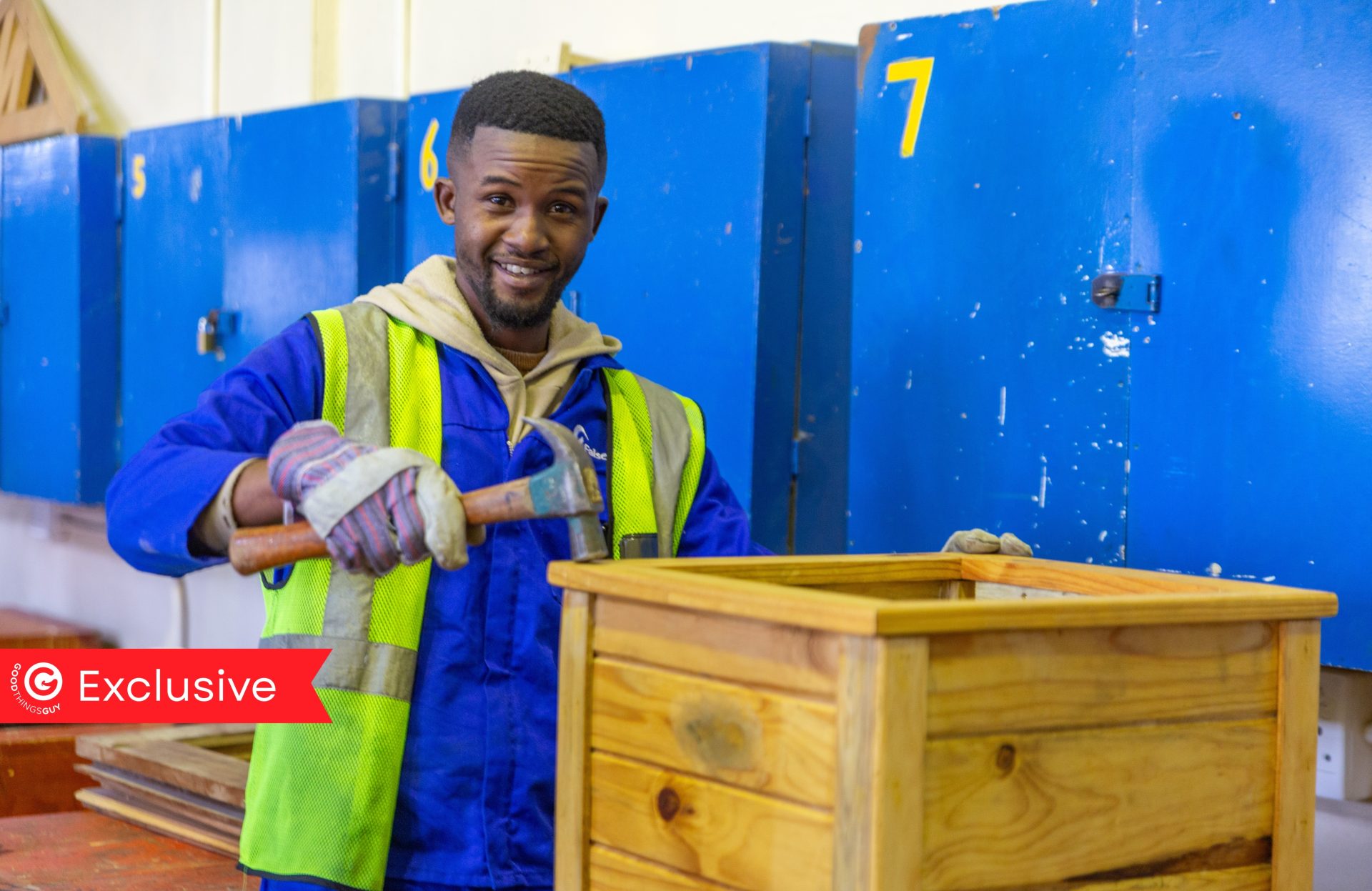
Learn to Earn has spent decades helping people build better futures. Now, the Khayelitsha-based organisation is using its voice to push for action on a sewage problem that continues to affect the community it serves.
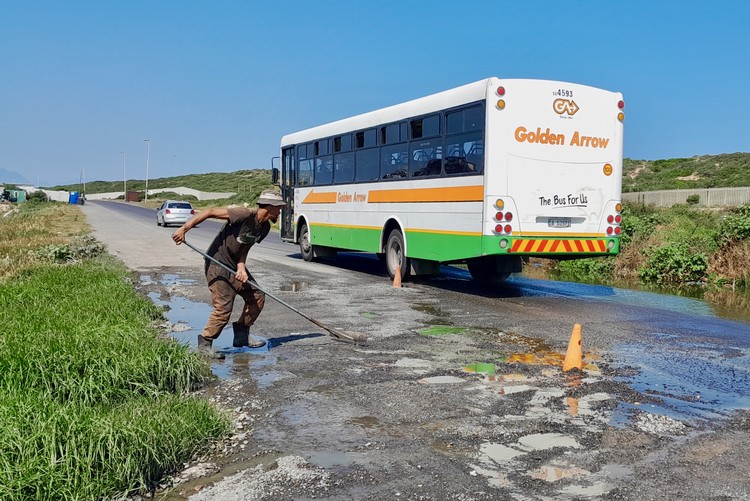
Khayelitsha, South Africa (15 November 2026) – Every day, people travel along Swartklip Road in Khayelitsha to get to work, get their children to school and go about their lives. For some, the journey comes with a familiar and deeply unpleasant reality: sewage overflow, the smell of wastewater and potholes that make an already difficult road more dangerous.
For Daniel Hopley, who works at Learn to Earn, this is not a problem he can simply drive past and forget.
He travels along the road twice a day. He sees the conditions for himself, and every afternoon, he sees Eugene Cloete, the Khayelitsha resident who has taken it upon himself to fill the potholes with stones in an effort to make the road safer for motorists.
But Hopley and his colleagues believe the community deserves more than temporary fixes. They want the underlying problem addressed.
Since January 2026, staff members of Learn to Earn have been trying to get the City of Cape Town to intervene over the failed sewage pump station believed to be contributing to the ongoing overflow. The organisation says it has logged multiple service requests, only to have some closed without explanation while others have received no response.
Nine months later, it is still pushing for answers. And that persistence says something important about the kind of organisation Learn to Earn is.
For a non-profit that has spent 37 years helping people build their own futures, speaking up about a problem affecting the community is another way of doing what it has always done: refusing to accept that difficult circumstances should define what is possible.
A problem no community should have to live with
“We’ve tried since January this year to get the City of Cape Town to come and fix the underlying issue of the failed pump station,” Hopely explained in an email requesting help to bring attention to the situation.
“We have multiple reference numbers that just don’t get assigned, just closed with no comment.”
 21 Kilometres Later, and a Little Reminder to Just Do the Hard Thing
 South Africa, Your Vote Matters More Than You Think!
For Hopley, the concern is about far more than a damaged road.
“It’s a serious health issue for the community that lives on that road. I drive through it twice a day and it smells horrific!”
It is difficult to talk about building stronger communities without talking about the everyday conditions that allow people to live, work and move around safely. Skills, jobs and economic opportunities matter enormously, but so do the basic services and infrastructure that communities rely on.
When those systems fail, the consequences are felt by ordinary people who have little control over the problem itself.
That is why Learn to Earn is continuing to raise the issue. It wants the problem taken seriously, the underlying cause addressed, and the people affected to see meaningful progress.
The organisation says it is willing to share the reference numbers it has collected over the past nine months, helping to establish a clear record of its attempts to get assistance.
It is a practical step, but an important one: keeping the issue visible, asking questions and continuing to seek answers.
So what is the issue with the pump station?
We reached out to representatives of the City of Cape Town to query the issue. City of Cape Town’s Mayoral Committee Member for Water and Sanitation, Alderman Zahid Badroodien, provided historic context:
According to the city, the pump station was extensively vandalised during May/June of 2025. At the time, illegal electricity connections to the station were disconnected to address recurring pump trips and sewer overflows and improve operational reliability. Following the removal of these connections, the facility was damaged during community unrest and subsequently rendered inoperable.
The City has worked to improve security and reinstate the pumps, using a mobile pumping unit in the interim to keep wet well levels under control and prevent service disruptions. The station was recommissioned in June but was unfortunately vandalised again soon afterwards. The City is now working with the Energy Department to secure power cables in concrete-encased trenches to prevent further incidents. The area also continues to experience sewer misuse, with frequent blockages in the pipeline adding to the station’s operational challenges.
As for the timeline, the hope is to get the plant operational as soon as possible.
“At this stage, depending on the progress from the City’s Energy Directorate and assuming no further setbacks, it is estimated that the pump station should be reinstated in November 2026.” – Alderman Zahid Badroodien
The people who refuse to look away
In September 2026, GroundUp reported on another Khayelitsha resident whose response to the same sewage-related road problem has captured the attention of motorists.
Eugene Cloete spends his afternoons collecting stones and using them to fill potholes along Swartklip Road. He leaves home at about 1 pm and works until 6 pm, doing what he can to make the road more manageable for those who use it.
“I do the job out of the kindness of my heart,” Cloete told GroundUp.
His story is a powerful example of how much people are willing to do for one another, even when they have very little themselves. But it also points to a bigger question: how can the community be supported so that residents do not have to keep finding their own ways to manage the consequences of an unresolved infrastructure problem?
Cloete’s work and Learn to Earn’s efforts are separate, but both speak to the same reality. People living and working in Khayelitsha care about their community, and they are taking action in the ways available to them.
One is trying to make the road safer, one pothole at a time. The other is continuing to press for the intervention needed to address the underlying problem. Neither should have to carry the burden alone.
37 years of believing in people’s potential
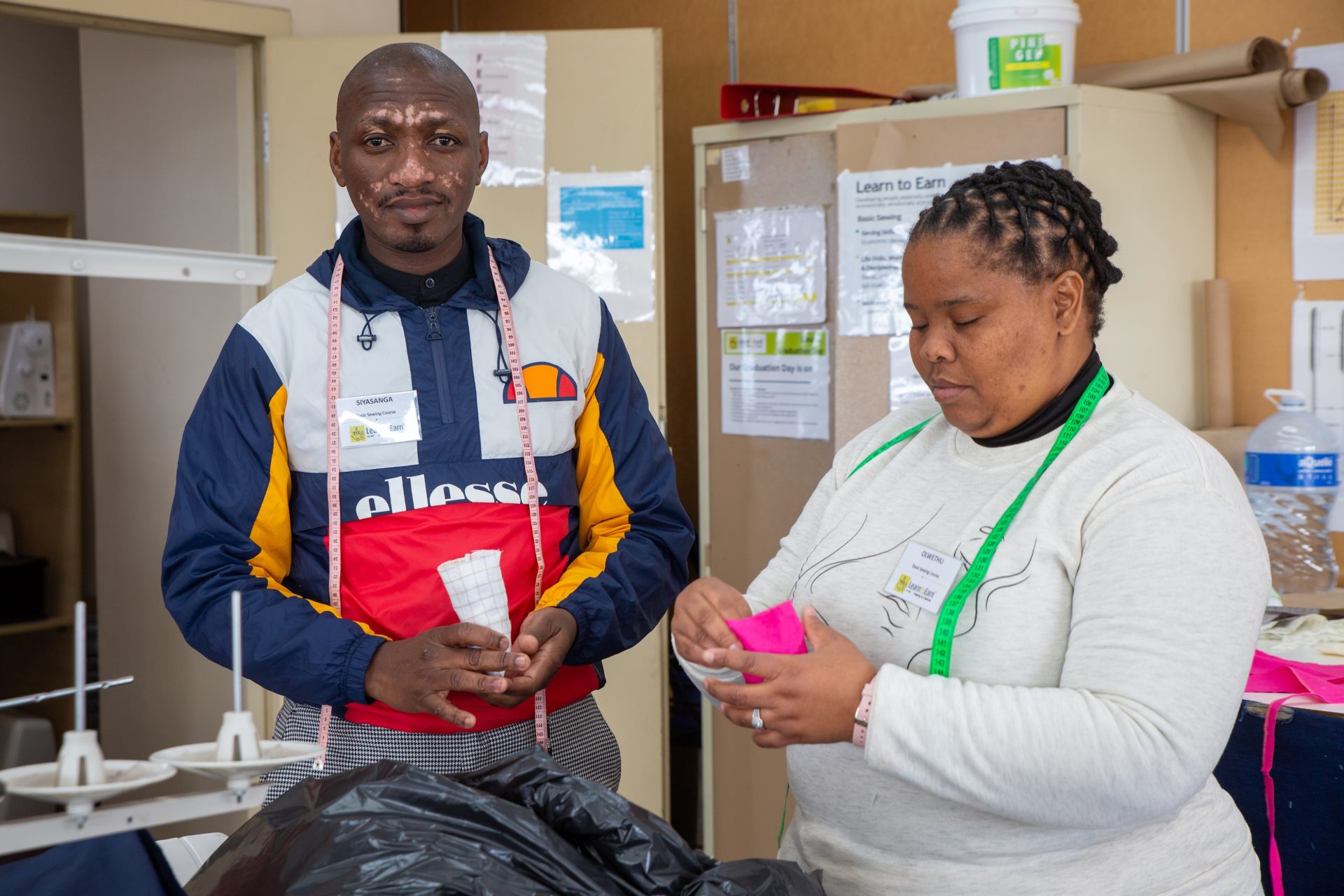
Learn to Earn has been working in Khayelitsha since 1989, helping unemployed people from disadvantaged backgrounds develop the skills, confidence and opportunities they need to build more sustainable lives.
Its philosophy is captured in a simple motto: “A hand up, not a hand out.”
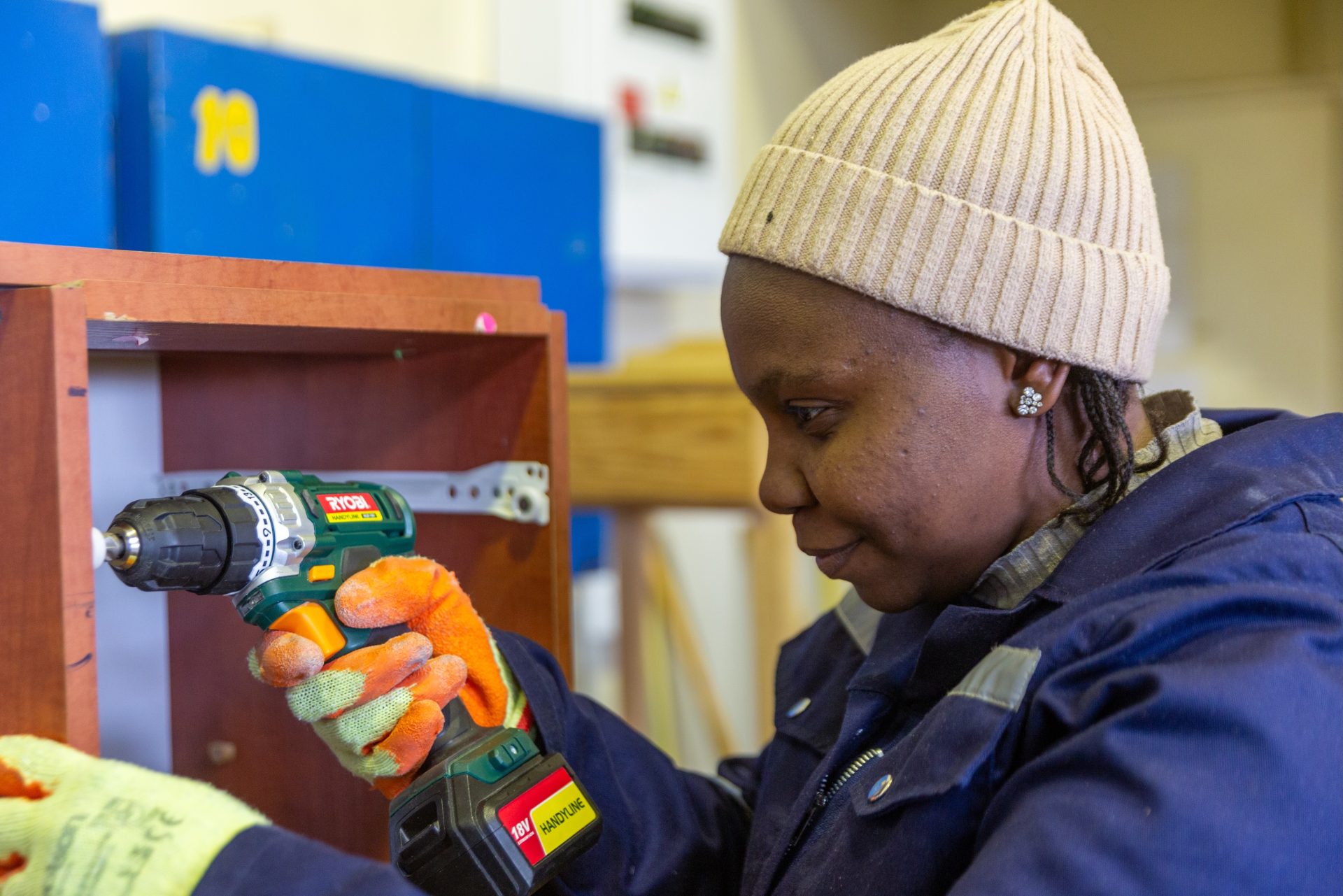
The organisation provides market-related skills training, job preparation, financial and life skills, and support for people who want to start their own businesses. Its work is rooted in the belief that people deserve the opportunity to build their own futures, with dignity and self-respect.
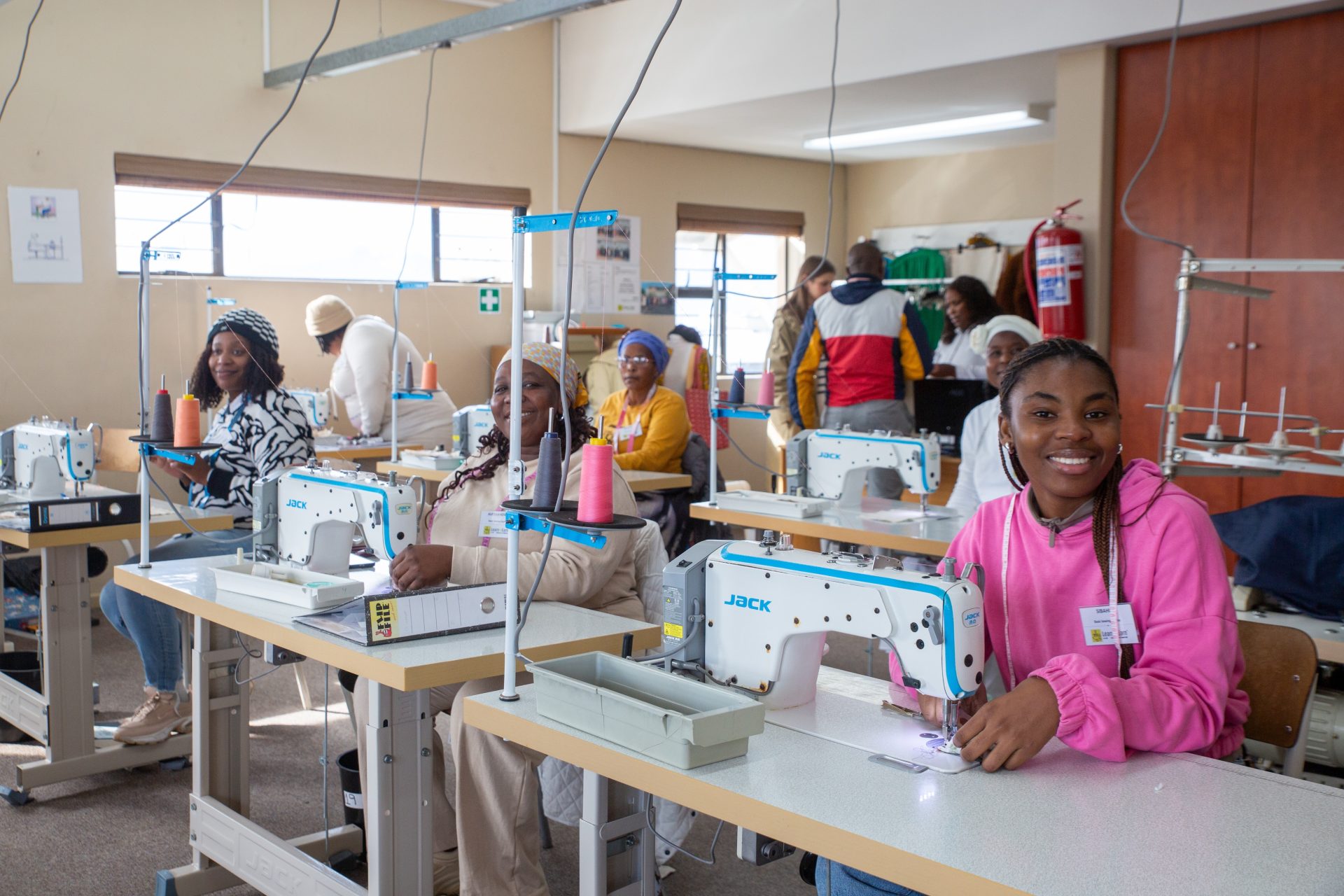
Over the years, Learn to Earn has reached 19,200 unemployed people through its skills development work. Across the past decade, an average of 76% of its graduates have become economically active or continued studying, while 26% have started their own businesses.
Behind those numbers are people whose lives have changed.
Buhle, a Learn to Earn graduate, described how the organisation helped her move from relying on grants and family members to supporting her children and managing her own finances.
“Now I can support my kids, I no longer depending on other people,” she shared.
Another graduate, Sibongile, found a way to earn an income through baking and selling her products.
“Today I make my own money, I don’t ask for money anymore, I eat the work of my hand,” she said.
These are the kinds of changes that make community development so meaningful. A new skill can become a livelihood. A livelihood can help support a family. And the confidence that comes from earning an income can open the door to possibilities that once felt out of reach.
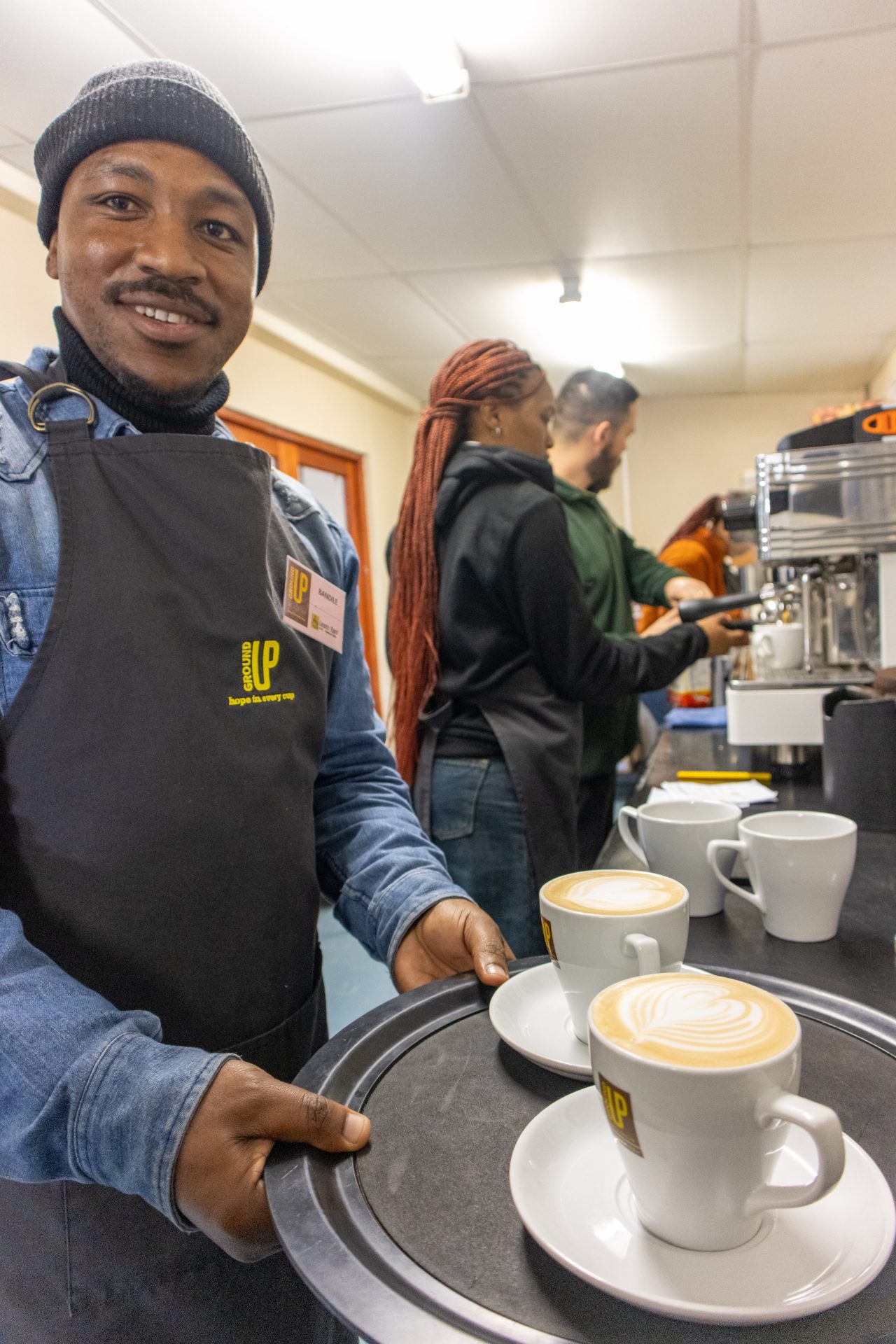
Learn to Earn has spent decades working towards that kind of change, one person at a time.
Its efforts to raise the alarm about Swartklip Road reflect that same commitment to a community’s future. Helping people thrive means caring about the circumstances in which they live, work and raise their families, too.
 by