A collaboration between the Urban Caracal Project, eARTh Agency, and Public Shows of Reflection aims to raise awareness among motorists in Cape Town and its surrounds that they’re sharing the roads with wildlife.
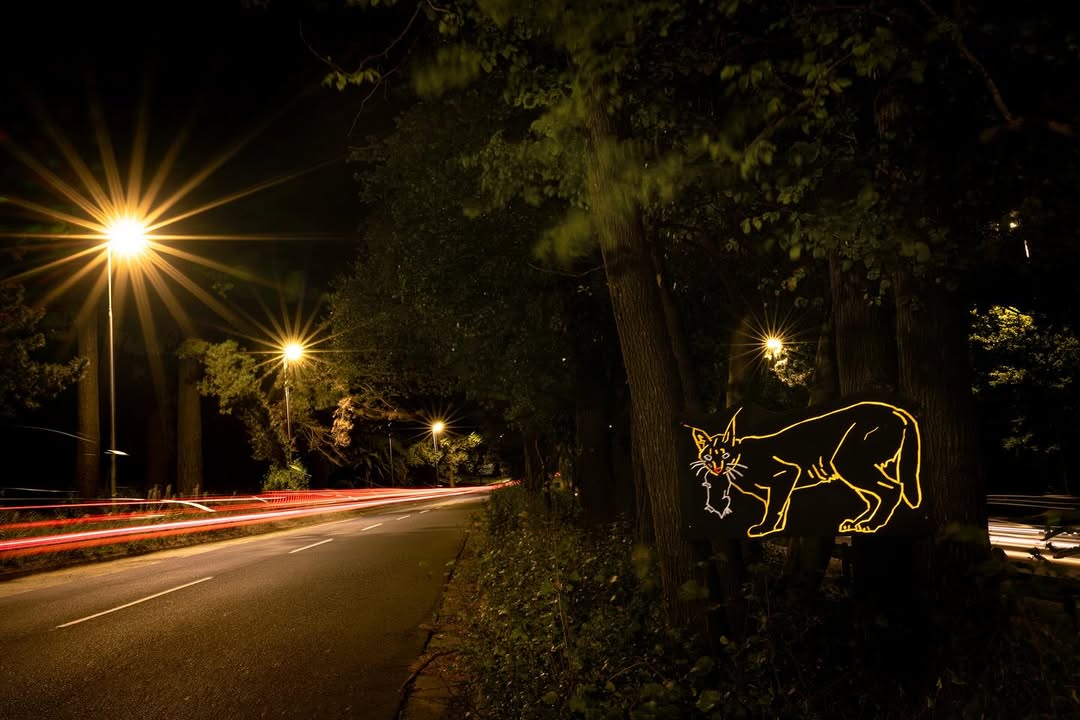
Cape Town, South Africa (05 November 2025) – If you’ve been in Cape Town or surrounds, and have driven around at night, you might have spotted something glinting back at you in the headlights. The Cape Peninsula’s glowing caracals.
But do you know the story behind these special roadside signs?
Caracals, also known in SA as rooikatte, still roam parts of the Cape Peninsula. They’re all around. On Table Mountain, along the greenbelts of Tokai, Simon’s Town, and Scarborough. You’re really lucky if you spot them in person. They’re graceful and shy, and so they’re incredibly good at staying out of sight.
But the thing they can’t always avoid is cars.
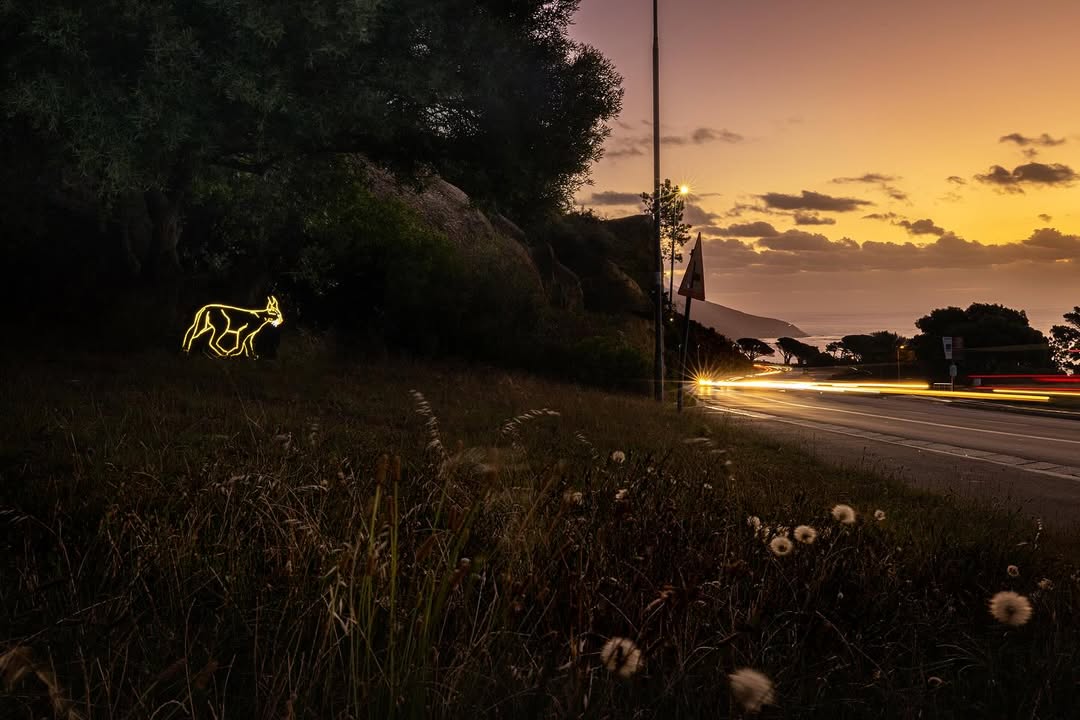
Vehicle collisions are sadly the leading cause of death for the city’s caracals. Every year, several are hit while trying to cross busy roads. That’s why the Urban Caracal Project, in collaboration with eARTh Agency and Public Shows of Reflection, has put up these glowing signs (that double up as artworks) at known road-crossing hotspots. The places where caracals are known to travel, and in some heartbreaking cases, where they’ve been killed.
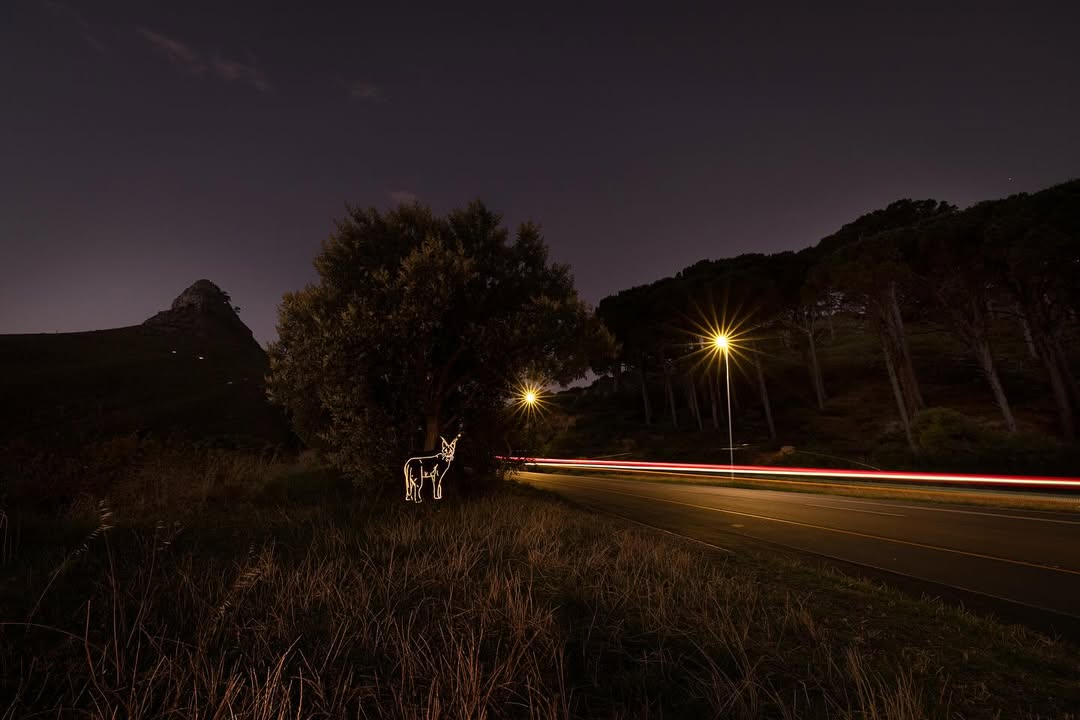
By day, the signs blend in with the scenery. But at night, when your headlights hit them, they light up. They’re quite beautiful. The hope is that every driver who sees one of these signs will do two things – slow down and look out.
“Each glowing cat marks a place where a caracal has crossed… or died trying,” explains the Urban Caracal Project team. “These signs shine so we don’t forget, and so we drive with care.”
 This Grade 2 Teacher Is Running Her Socks Off for Vrygrond's Pets!
 Lanseria Feral Kitties Gifted Brand New Feeder and Sleeper!
The team has been studying Cape Town’s wild cats since 2014. Led by conservation biologist and professor Dr Laurel Klein Serieys, the Urban Caracal Project has tracked and collared dozens of caracals, studied their diet and movement patterns, and identified the biggest threats to their survival.
Their data shows that some of the most dangerous routes for caracals include Ou Kaapse Weg, Chapman’s Peak Drive, and roads near Tokai and Groot Constantia.
Each reflective sign sits in one of these high-risk zones, doubling as a warning for drivers and a small tribute to the animals lost there.
Caracals are now the largest remaining indigenous predator in the Cape Peninsula. They’re actually an ‘umbrella species’ which means that protecting them helps protect everything else that shares their ecosystem. Birds, smaller mammals, and even the plants that depend on those interactions.
“We hope that when drivers see these glowing caracals, they’ll not only slow down but also appreciate how lucky we are to live alongside such incredible wildlife,” says the team.
 by
by