


KwaSokhulu and Nyembe fishers celebrate receiving rods and training that empower both women and men, promoting responsible safeguarding of marine life.
KwaZulu-Natal, South Africa (11 December 2025) – Northern KwaZulu-Natal’s coastal communities are celebrating a meaningful step toward more sustainable fishing, as WILDTRUST’s Small-Scale Fishers and Marine Protected Areas (MPAs) Project rolled out a hands-on initiative that places practical tools directly in the hands of local fisherfolk.
The initiative was made possible through support from ICONIQ, Oceans 5, and the Blue Action Fund. Together with WILDTRUST, their efforts signal a promising path forward.
The KwaSokhulu and Nyembe communities recently gathered for lively events where brand-new fishing rods were presented to fishers. For residents who depend on the ocean for food and income, the shift to rod fishing marks a new chapter that supports both livelihoods and the health of local marine ecosystems.
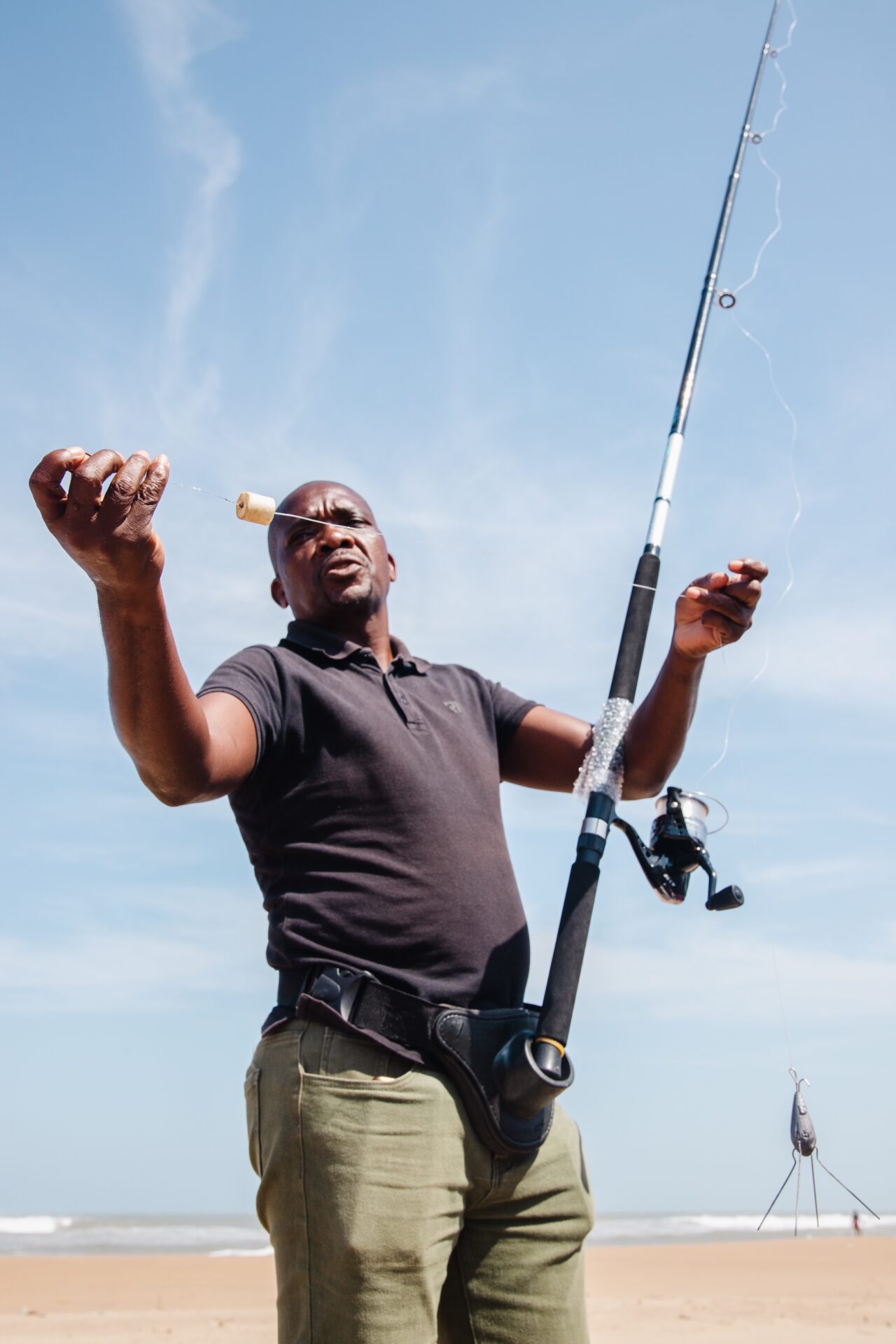
For Nyembe fisherman Velani Mjadu, the handover represented more than equipment.
“Having these fishing rods will be very beneficial to us. I believe this is a start to a greater future for the Nyembe fishing community.”
As part of the day’s activities, the iSimangaliso Wetland Park Authority and Ezemvelo KZN Wildlife joined community members to unpack the laws and guidelines that support sustainable fishing. Trueman Buthelezi of Ezemvelo KZN Wildlife emphasised the regulations that safeguard both fishers and the environment.
Education was a central theme; fishers received resource materials on safe handling of sharks and rays, to ensure that any accidental catch of these crucial species results in a safe release.
A highlight of the day was the strong focus on women’s participation. In communities where rod fishing has traditionally been a male activity, women were deliberately encouraged to take part and broaden their economic opportunities.
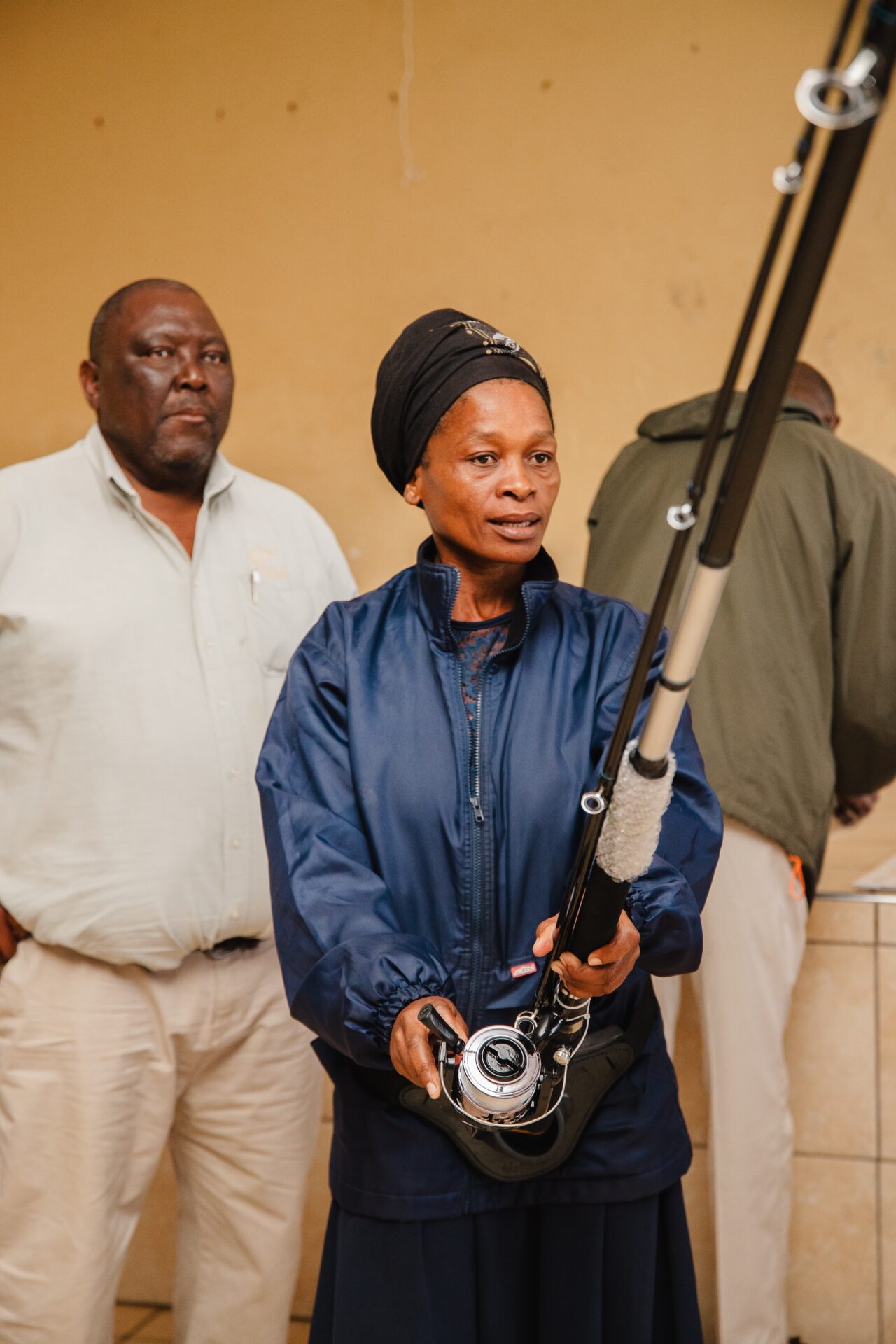
Tholakele Mnguni, a mussel harvester from KwaSokhulu, shared the importance of this inclusion.
“We are happy with these rods, especially for the women in this community, because mussel harvesting is seasonal. Having these rods will allow us to fish when it’s off season for mussel harvesting.”
The broader project aims to strengthen socio-ecological resilience, support food security, build knowledge networks, and encourage open dialogue between fishers and the government.
 by
by 