This World AIDS Day, the APCC celebrates progress while reminding the country that compassionate palliative care remains a cornerstone of an effective HIV response.
South Africa (01 December 2025) – World AIDS Day carries a kind of quiet power. It’s a moment to remember lives lost, celebrate the progress made, and take stock of the work still ahead. This year, the Association of Palliative Care Centres (APCC) is using the day to reignite an essential message: HIV and AIDS may have shifted in the national mortality rankings, but the need for strong, compassionate, community-based care has not faded. If anything, it has grown.
South Africa has seen a profound shift in causes of death, with HIV and AIDS now the fourth leading cause nationally as non-communicable diseases like diabetes and hypertension climb. Yet for adults aged 15 to 44, it remains one of the main drivers of mortality. Layered into the country’s “quadruple burden” of disease, HIV and AIDS continue to shape daily life, family structures, and community wellbeing. And as more people age while living with HIV thanks to expanded antiretroviral access, a new picture is emerging, one where chronic illnesses and cancers are becoming part of a longer, more complex journey.
Global data confirms this shift. UNAIDS reports that 40.8 million people worldwide were living with HIV in 2024, up from 39.9 million the year before. Longer life expectancy is a triumph, but Lancet Global Health highlights a rising concern: people living with HIV face a higher risk of infection-related cancers. It means health systems must juggle immediate infections, slow-moving chronic conditions, cancer risks, and the social and emotional realities that run alongside them.
Which is exactly why palliative care belongs at the centre of the response. Not as a final chapter, but as part of the support that begins the moment someone receives a diagnosis.
“Palliative care is not a final chapter; it’s support that begins at diagnosis and extends through treatment,” says Motlalentoa Motsoane, CEO of the APCC.
“Palliative care centres and hospices assist HIV-positive patients with life-threatening co-infections in ways that are dignified and stigma-free. As HIV & AIDS evolves, so must our response, even as many APCC members face reduced funding.”

The APCC has been walking this path for more than a decade in partnership with the National Department of Health. Since 2012, the organisation has helped shape policies, implement the National Policy Framework and Strategy for Palliative Care, and train and deploy community, district, and hospital-based teams. The work touches around 40,000 people every year—most of it happening quietly in living rooms, hospital wards, and rural homesteads.
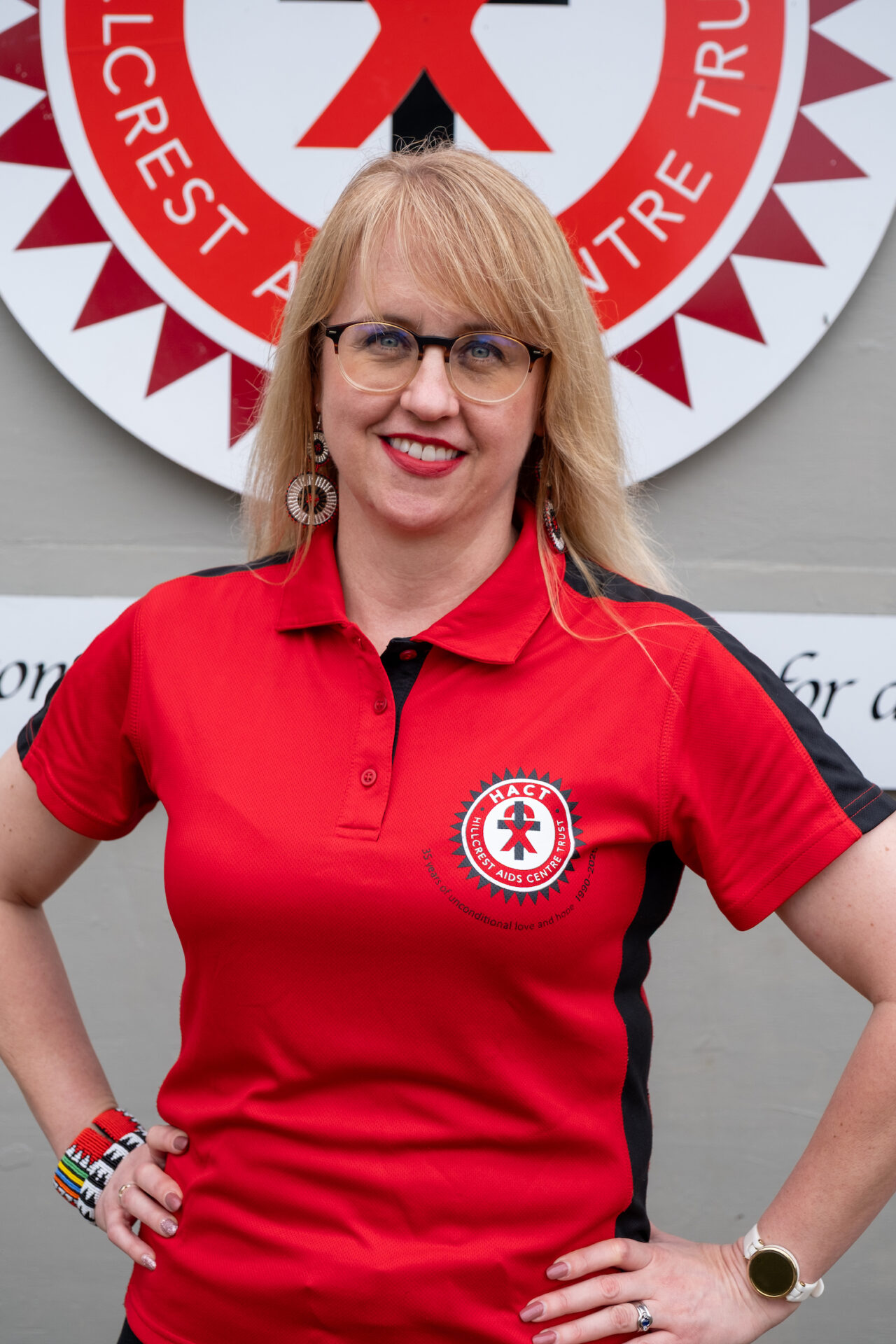
Across the membership, the approach to HIV care is wide-ranging but united by compassion. In KwaZulu-Natal, the Hillcrest AIDS Centre Trust (HACT) stands as a long-trusted anchor for thousands of families. Their model wraps prevention, clinical care, psychosocial support, economic empowerment, GBV-prevention, and youth development into a single, holistically supportive ecosystem. Grandmothers, young people, orphaned children, and local crafters are woven into a network of care that reaches over 10,000 people each year.
Related Stories
 Make Breast Health a Priority, Not Just in October But All Year Long
 Book Review: A Strange, Magical Journey Through Cape Town with The Which Word
“World AIDS Day 2025 marks HACT’s 35th anniversary,” says Candace Moolman, CEO of HACT.
“This milestone reminds us that community-care must remain at the heart of an effective HIV & AIDS response. Whether through palliative services, counselling, family strengthening, or youth empowerment, we see every day how holistic support enables people not only to survive but to live with dignity and agency. As community needs evolve, so must our commitment to walk alongside them with compassion, innovation, and hope.”
This year’s World AIDS Day theme is Overcoming disruption. Transforming the AIDS response is a timely reminder that new pressures, economic, health-system, and social, continue to threaten progress. Sustained investment in palliative care is one of the most powerful ways to protect the gains already made. When care reaches people where they live, acknowledges what they feel, and supports their families too, health outcomes improve. Lives expand. Hope becomes practical.
“The APCC stands firmly alongside our members to strengthen care systems that meet people where they are. In rural villages, townships, urban centres, and hospital wards,” says Motsoane. “This World AIDS Day is a reminder that HIV & AIDS must stay at the forefront of our collective health response. It is also a time to honour those who have lost their lives to AIDS and to remember the families and friends who continue to experience that loss.”
World AIDS Day may come once a year, but the message endures: keeping HIV and AIDS on the health agenda means making space for palliative care. Not only because people deserve comfort, dignity, and relief, but because, at its best, palliative care helps people live fully, with agency, connection, and compassion.
Sources: APCC – Supplied
Don’t ever miss the Good Things. Download the Good Things Guy App now on Apple or Google.
Do you have something to add to this story? Please share it in the comments or follow GoodThingsGuy on Facebook and Twitter to keep up to date with good news as it happens, or share your good news with us by clicking here or click the link below to listen to the Good Things Guy Podcast with Brent Lindeque – South Africa’s very own Good Things Guy. He’s on a mission to change what the world pays attention to, and he truly believes there’s good news around us. In the Good Things Guy podcast, you’ll meet these everyday heroes and hear their incredible stories:
Or catch an episode of Good Things with Brent Lindeque or our Weekly Top 5 below. The videos here are always changing, updated with the latest episodes from these two shows. Both are part of Good Things TV, created to bring South Africans balance at a time when the news can feel overwhelmingly negative. Our goal is simple: to remind you that there are still so many good things happening in our country – and to leave you feeling a little more proudly South African.
 by
by