More than 8000 indigenous trees are going in the ground, thanks to the Cape Parrot Project’s mission to restore a degraded forest that South Africa’s critically endangered and only endemic parrot depends on.
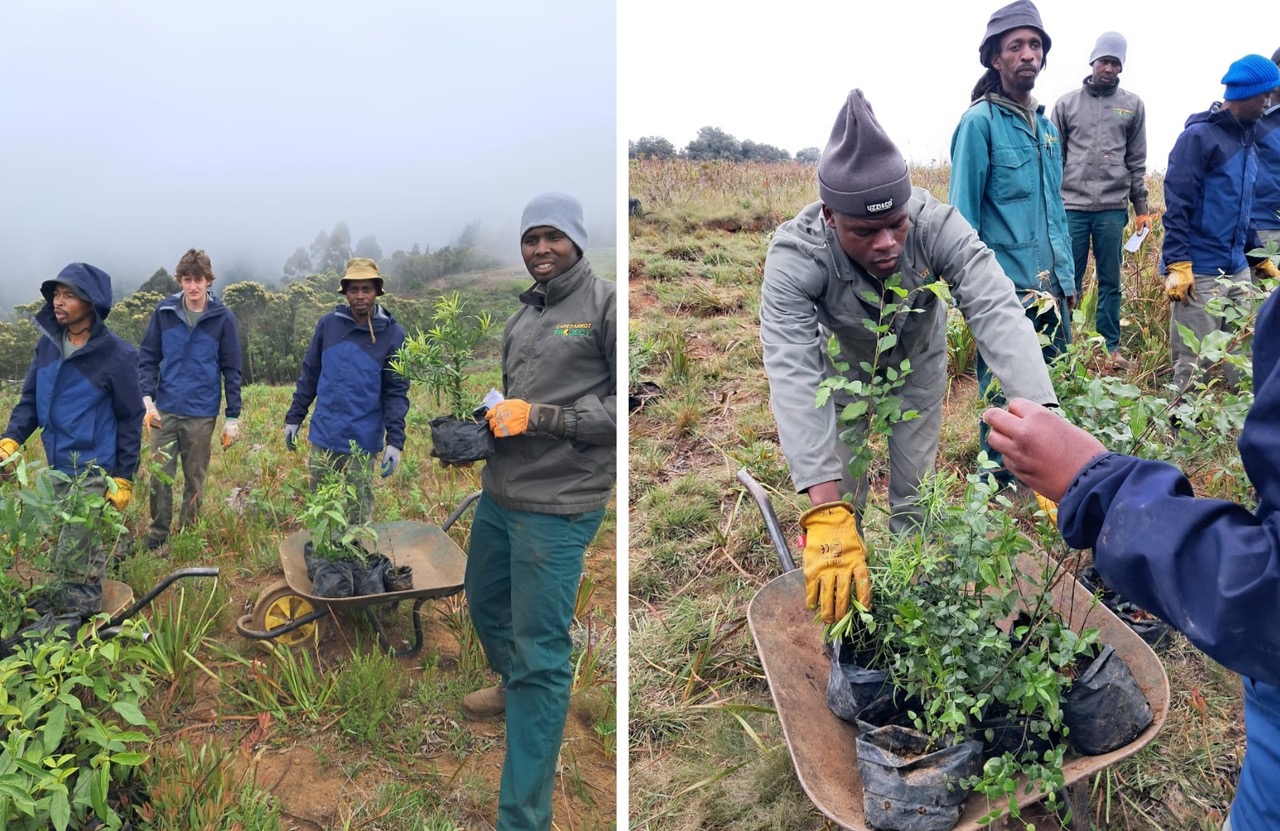
South Africa (12 December 2025) – The Cape Parrot Project (CPP) is wrapping up another big round of restoration, planting more than 8000 indigenous trees to help repair the degraded Afromontane forest, which the endangered Cape Parrot depends on to survive.
The team has been working across several restoration sites, all part of their ongoing effort to rebuild the indigenous forest and bring different species back that belong there. More than 20 different indigenous species went into the ground this round.
“Over 20 indigenous species were planted in total, helping us rebuild structure, diversity, and the long-term resilience of South Africa’s indigenous forests.” shares CPP.
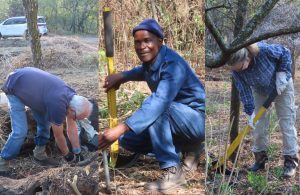
This planting cycle brought together helping hands from Fairtree, Greenpop, Brownie Points as well as six of the Cape Parrot Project’s full-time restoration field staff. Their work included prepping forest sites, hauling seedlings, placing each tree correctly, and planting them with love.
Tree planting is a critical part of the project’s bigger mission.
The organisation has spent 15 years restoring and protecting the small, fragmented forest patches across the Eastern Cape that have been heavily affected by old logging practices and invasive species, leaving fewer mature Yellowwood trees for parrots to nest in.
To rebuild these forests from the ground up, the project partners with nearby communities who collect seeds from indigenous species and grow them in nurseries. The project buys the saplings back before planting them in degraded forest areas. This system restores habitat and supports livelihoods.
The Cape Parrot species has fewer than 2000 birds left in the wild. Every tree planted makes a difference. Every new cluster of Yellowwoods or other indigenous species creates future nesting sites, food sources, and safe spaces for parrots and the many other forest-dependent animals that rely on these ecosystems.
Related Stories
 Poaching Expedition in Kruger Takes an Unexpected Turn Thanks to a Herd of Elephants
 Hennops Coughs Up Giant Shoe and a Bigger Question
The latest planting brings the Project even closer to its long-term goals. Over the years, they’ve planted more than 72,000 trees and restored over 200 hectares of land.
 by
by