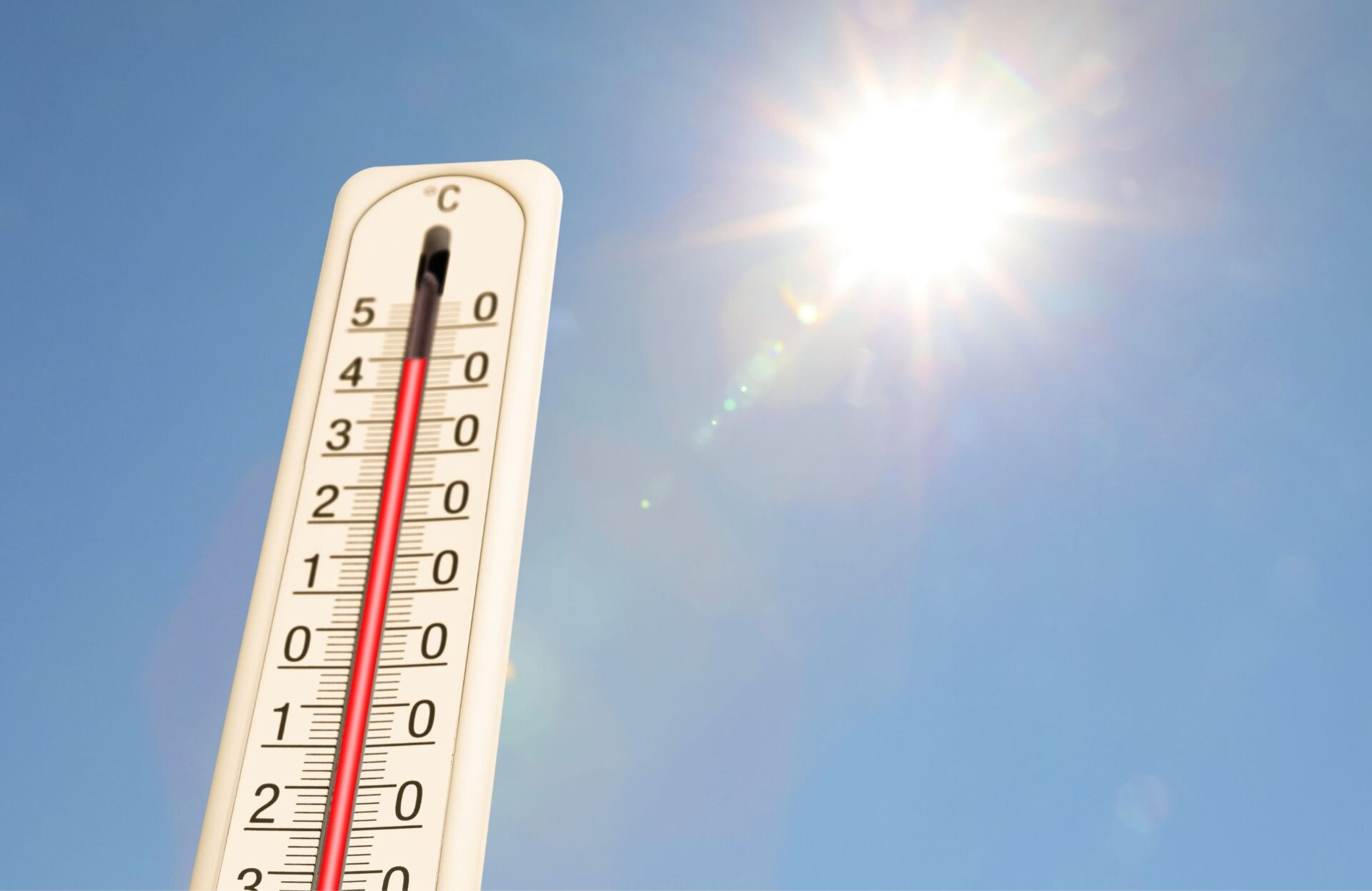
A heat wave is expected to affect parts of the Northern and Western Cape from 9 to 13 March 2026, with temperatures reaching up to 42°C.
South Africa (09 March 2026) – After a brief spell of milder weather, the western and south-western parts of South Africa are bracing for another surge of intense heat. Forecasts indicate that heat wave conditions will settle over parts of the Northern Cape and Western Cape from Monday, 9 March through Friday, 13 March 2026, bringing several days of very hot to extremely hot temperatures.
According to the South African Weather Service, heat wave conditions occur when temperatures remain at least five degrees higher than the average of the hottest month for three consecutive days or longer. This week’s forecast fits that definition, with temperatures expected to rise well above seasonal norms across coastal areas and the adjacent interior.
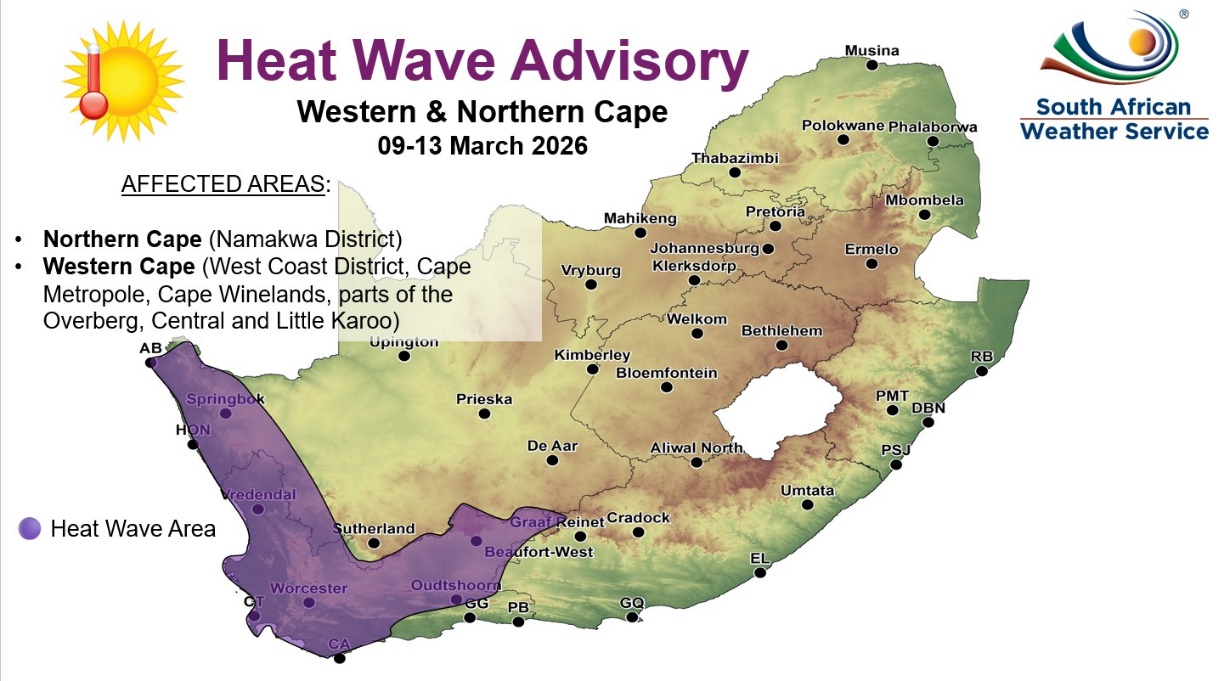
The heat is being driven by a strong high pressure system positioned high in the atmosphere. Systems like these cause air to sink toward the earth’s surface, warming as it descends. That warming effect, combined with offshore winds along the western coastline, is expected to push temperatures across parts of the Northern Cape and western regions of the Western Cape into the range of 36°C to 42°C.
The most intense heat is likely to arrive on Tuesday and Wednesday, when the western sections of both provinces could experience the highest temperatures of the week. As the system settles in, the heat wave is also expected to spread into the Central Karoo and the Little Karoo from Tuesday onward, extending the area affected by these extreme conditions.
Prolonged heat can pose serious health risks, particularly when temperatures remain elevated for several days in a row. Dehydration, heat exhaustion and heat stroke are all possible when people spend extended periods in high temperatures without adequate rest or hydration. Residents are encouraged to take precautions, especially during the hottest hours of the day between midday and mid afternoon.
Simple steps can make a significant difference. Drinking plenty of water, wearing loose and light coloured clothing, and seeking shade or well ventilated spaces can help the body cope with the heat. Limiting strenuous outdoor activity during the peak of the day is also strongly advised. Special care should be taken to check on vulnerable people, including the elderly and babies, who are more susceptible to heat related illness.
Authorities also remind the public never to leave children or animals inside parked vehicles, even for a short time, as temperatures inside a car can rise dangerously fast.
The South African Weather Service will continue monitoring the developing conditions and will issue further updates if necessary. Residents are encouraged to keep an eye on official weather warnings and advisories, and to stay informed through the SAWS website and official communication channels as the week unfolds.
 An Overflowing Bin, a Passionate Activist, and a Lesson on Keeping Our Communities Clean
 For Her Birthday, This Dog Groomer Gave Shelter Dogs Pamper Sessions – and 3 Got Adopted!
 by
by