A family farm in the Overberg now permanently protects threatened plants and wildlife through conserving two critically threatened types of vegetation.
Western Cape, South Africa (28 April 2026) – In the Overberg, a new conservation easement has secured a stretch of renosterveld, one of the world’s most endangered ecosystems, in perpetuity!
The Overberg Renosterveld Trust (ORT) has announced the signing of the Oudekraalskop conservation easement, which brings two critically threatened vegetation types, Eastern Rûens Shale Renosterveld and Rûens Silcrete Renosterveld, under permanent protection.
In order to understand why this conservation news matters so deeply, you need to understand how dire the situation is for renosterveld.
“Many people just don’t realise how threatened renosterveld is,” says Grant Forbes, Conservation Manager of ORT. “It’s one of the most endangered ecosystems in South Africa – and possibly on the planet – with less than 5% remaining. Of that, very few fragments are large and connected like Oudekraalskop.”
Conservation easements like this one can only happen when a landowner is willing to make a long-term commitment to nature. The ORT’s Conservation Easement Programme allows farmers to protect their land without walking away from it.
“An easement is essentially a conservation servitude registered on the property, where the landowner sets aside an area for conservation,” says Grant.
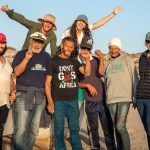
At Oudekraalskop, the Steenkamp family just took that major step forward. They are farmers who understand the rare and precious biodiversity they’re stewards of.
“They really take ownership of what they’ve got here, and they see the value of the contribution they’re making towards conservation of such a unique and threatened ecosystem. We are very proud to be working with them and look forward to a long relationship where we together conserve a representative area of renosterveld from this region.” says Grant.
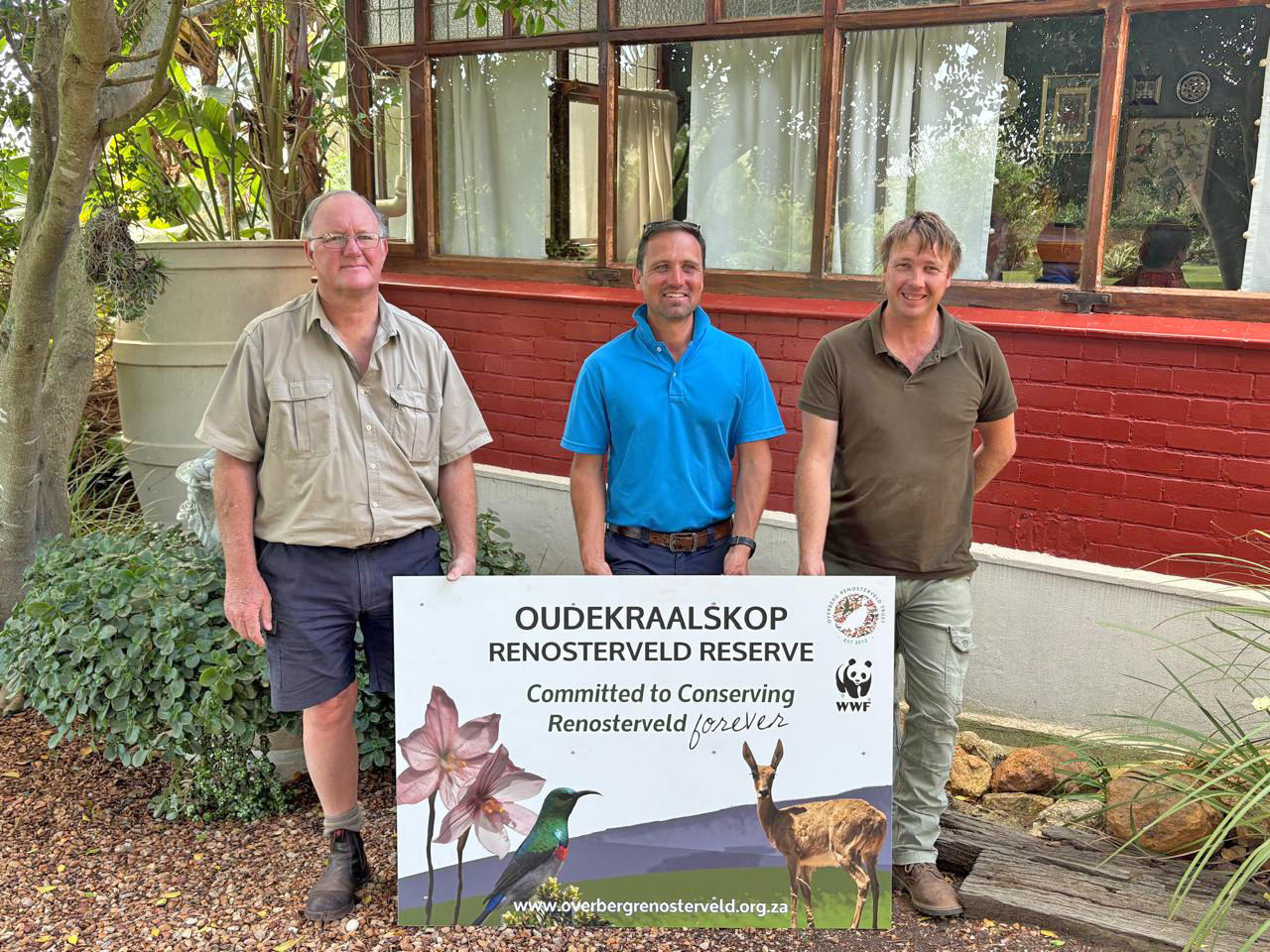
When the ORT team surveyed the property, the abundant biodiversity they found was incredible. A total of 225 plant species were recorded, and more than 10% of them are classified as threatened with extinction.
Related Stories
 SA Conservation Doccie 'SPOILED' Wins Top Sustainability Award at International Film Festival in Spain
 They Made It! Young Animal Welfare Volunteers Off to Cape Town
Camera trap surveys also confirmed wildlife like Aardwolf, Cape Grysbok, and the Threatened Grey Rhebok roaming the farm. Pollinators are thriving there too, including the Cape Honeybee, Needlenose Fly, and butterflies like the Common Blue.
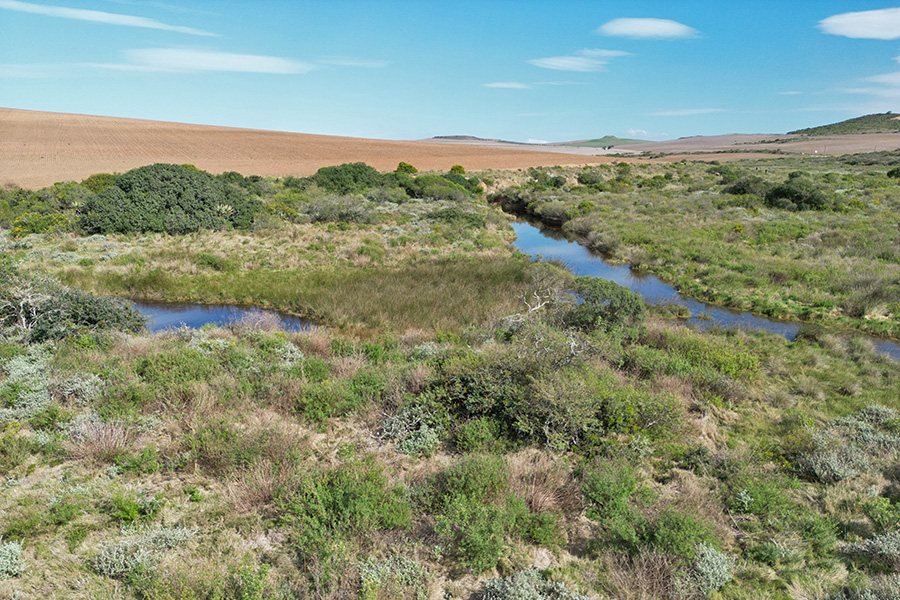
Oudekraalskop also has many intact watercourses such as rivers and wetlands that not only support biodiversity on the land, but also act as living corridors that connect renosterveld fragments and allow wildlife to move across it. These watercourses help buffer against flood damage and build more resilience into the broader landscape, too.
“Here conservation and agriculture work together to protect biodiversity and maintain the ecological health of the region,” says Grant, “ensuring that renosterveld is protected and managed well into the future.”
The ORT’s conservation and restoration efforts are supported by a network of donors including WWF South Africa, the Mapula Trust, the Ford Wildlife Foundation, Engie, the World Land Trust and the Hans Hoheisen Charitable Trust.
 by
by