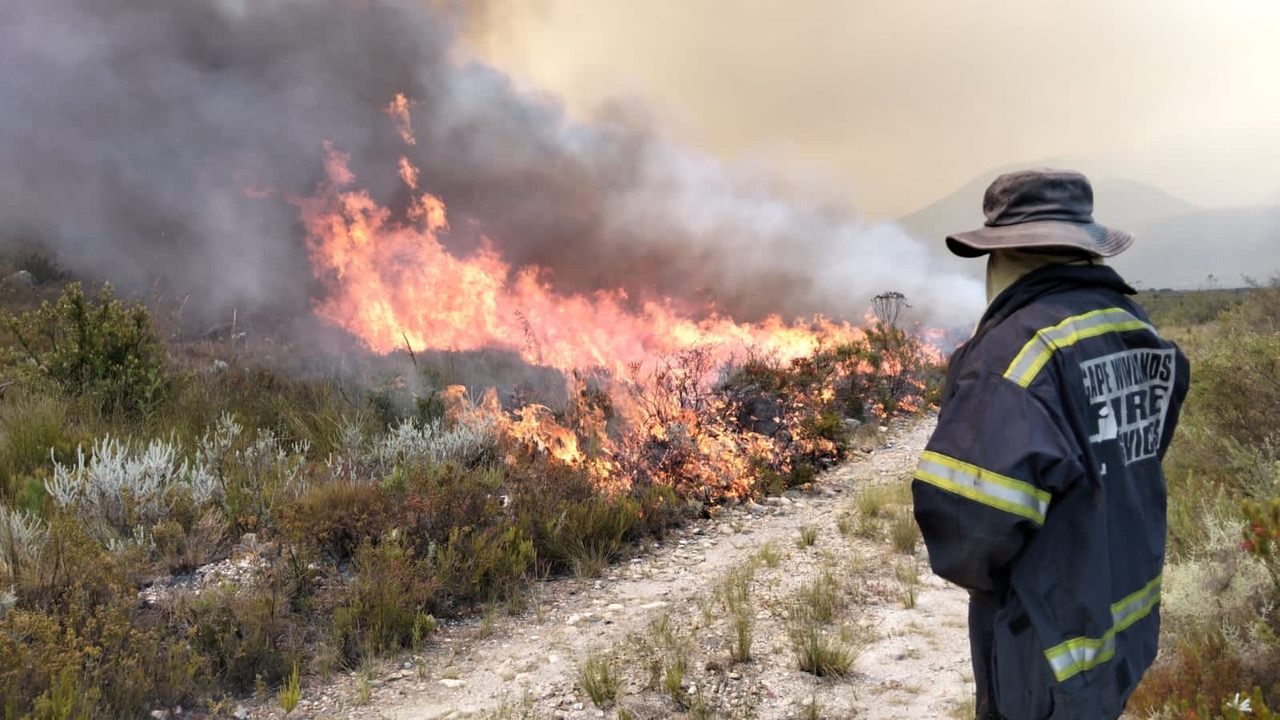
Fire relief services held the line well along CapeNature-managed land in a record-breaking fire season that fell far beyond historical averages in the Western Cape.
Western Cape, South Africa (29 April 2026) – A recent report released by CapeNature confirmed that the 2025–2026 fire season in the Western Cape has been unlike anything on record.
Fire-prone conditions made it a particularly challenging stretch for relief services across the province. It also started earlier than anyone expected.
Fire season generally runs from October to March, but this time it was already underway in September last year. By the end of November, CapeNature crews had responded to 43 fires, with 31 of them falling in October and November alone!
To properly emphasise the scale of that spike, the 25-year average for those two months is around 9 fires. This season delivered 31. That is unprecedented in CapeNature’s history.
Persistent wind was a major culprit. It turned what could mostly have been small, contained fires into massive, days-long events that pushed crews to their absolute limits.
“The Western Cape has experienced a very challenging fire season this year. Across the Province hot, dry, and very windy conditions made the work of our firefighting men and women extremely difficult.” says Western Cape Provincial Minister of Local Government, Environmental Affairs and Development Planning Anton Bredell.
You know us – there’s good news in this story.
Thanks to planning, teamwork, and communities pulling together, not a single structure or life was lost on CapeNature-managed land this fire season.
“Despite the scale of the season, several success stories have emerged largely due to meticulous advanced planning and partner and community collaboration.” shares the organisation.
 Local Ocean Champion Zoë Prinsloo Takes Her Mission Global!
 Cape Town Kayakers Rescue Starving African Penguin Far Out to Sea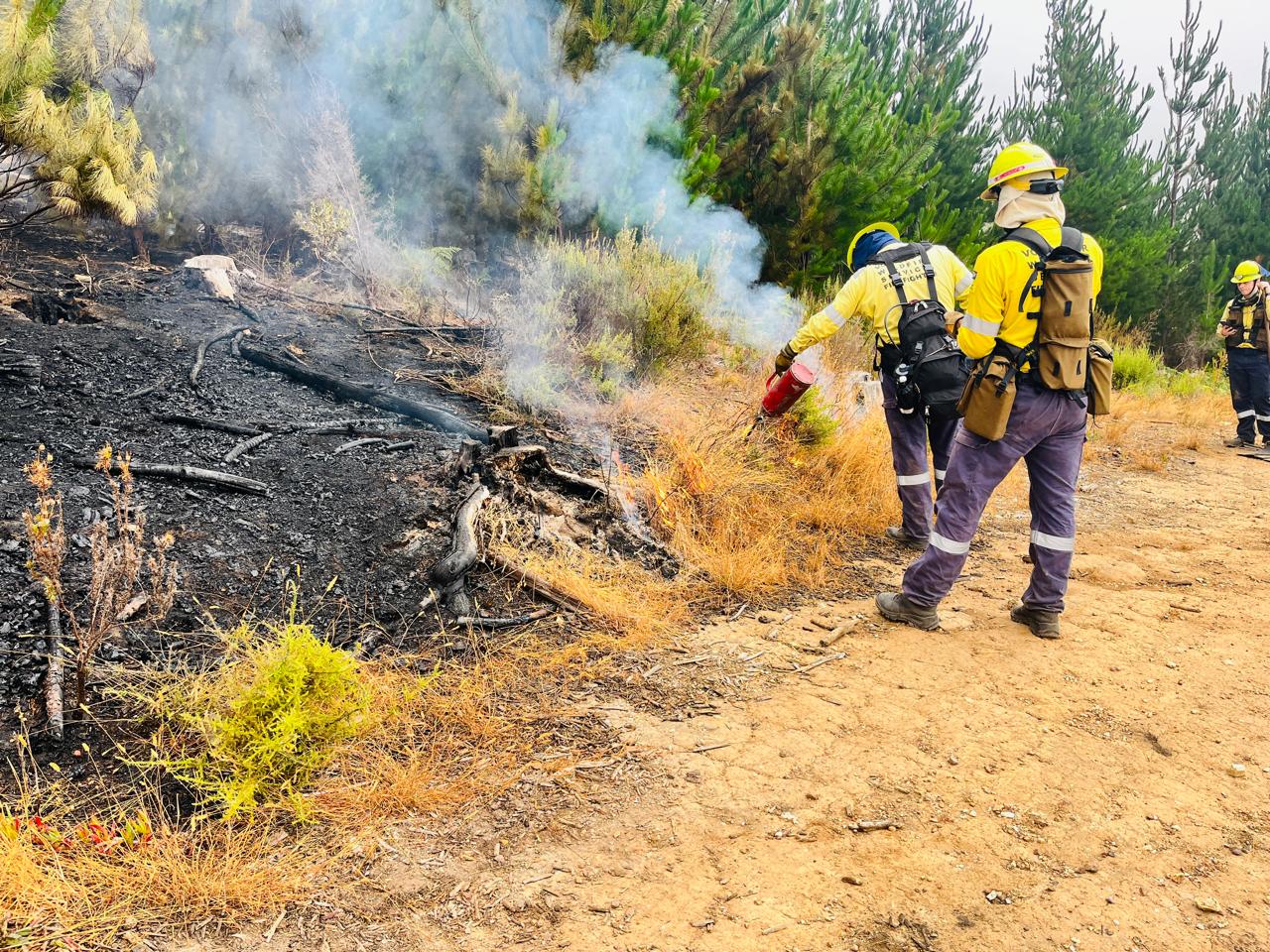
Much of this good news is due to strong firebreaks that were built around staff housing, offices, stores, and tourism cottages ahead of the season, which allowed firefighting operations to proceed safely.
In the Cederberg, a 30-metre-wide firebreak at Algeria Bosdorp built in partnership with the local community gave crews the space they needed to run successful back-burning operations and stop advancing flames from reaching the settlement entirely.
Coordinated burnouts along firebreaks by CapeNature staff and Volunteer Wildfire Services also kept structures safe across multiple other sites.
Firebreaks around the Ceder tree plantations protected both saplings and mature trees of one of South Africa’s most endangered tree species.
“Successful wildfire management is only possible if a wide range of role players work together. I want to recognise and applaud CapeNature for their efforts in this regard.” added Bredell.
CapeNature worked alongside Volunteer Wildfire Services, Fire Protection Associations, professional firefighting outfits, neighbouring landowners, and municipal fire services to make it a safe season on its protected lands.
The financial toll on CapeNature alone has already crossed R15 million and it’s still climbing.
While natural causes do start some fires, most ignitions this season have been human-caused, which ultimately means a lot of this is preventable. CapeNature urges the public to exercise caution, especially now as dry weather conditions are forecast to continue even into the winter months.
“We are prepared, but we need the public to remain vigilant and mindful. Mindfulness is important, small braais or cooking fires, even throwing out lit cigarettes can be ignition sources for very large fires. One spark in these dry and windy conditions is all it takes to start another catastrophic blaze,” said CapeNature CEO Dr Ashley Naidoo.
Remember to put fires out completely and don’t assume they’ve died down on their own. Never toss a lit cigarette from a window or onto dry ground. Be extra careful with braais, especially in open or windy spots. And if you see a fire, report it immediately.
“The season started earlier and was more intense than in recent years, and has already rewritten the record books. We cannot afford to let it rewrite our landscapes as well. Our brave firefighters within CapeNature and the many other firefighting organisations, as well as volunteers, have worked tirelessly over this period and continue to be vigilant and ready to respond immediately.” adds Naidoo.
 by
by