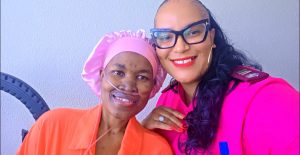
A remarkable medical breakthrough in Cape Town is offering new hope to patients living with dangerous heart rhythm disorders that have failed to respond to conventional treatment.
Western Cape, South Africa (07 June 2026) – A man received 12 shocks from a device designed to save his life… in a single hour. That’s where this story begins. Not in a laboratory or a conference but with a South African patient who had run out of options and a team of specialists who refused to stop looking for answers.
In what is believed to be one of the first procedures of its kind on the continent, a multidisciplinary team at Life Vincent Pallotti Hospital in Cape Town has successfully performed an advanced cardiac treatment that combines heart rhythm mapping, detailed medical imaging and precision radiation therapy to tackle a life-threatening heart condition.
And while the science behind it is incredibly complex, the outcome is beautifully simple: it gave a patient another chance.
The condition, known as ventricular tachycardia, causes dangerously fast heart rhythms that can lead to sudden cardiac death. For most patients, medication, implantable defibrillators and catheter ablation procedures work well. But for a small group of people, the abnormal rhythms continue despite every available treatment.
That was the reality facing 61-year-old Sydney Clarence Hoogbaard.
Living with a weakened heart muscle and severely reduced heart function, Sydney had endured recurring episodes of ventricular tachycardia and repeated shocks from his implantable cardioverter-defibrillator (ICD), a device designed to detect and correct life-threatening heart rhythms. Despite multiple medications and several previous procedures performed over an 18-month period, his condition continued to worsen. At one point, he received 12 ICD shocks in just one hour.
For anyone who has ever witnessed a loved one living with a serious heart condition, those numbers are difficult to comprehend. Each shock is physically and emotionally taxing. And when they keep coming, they can dramatically affect a person’s quality of life. That’s when specialists at Life Vincent Pallotti Hospital turned to an innovative approach that has shown promise at leading centres around the world.
Led by cardiac electrophysiologist Dr Vinod Thomas, the team used advanced three-dimensional electrical mapping and cardiac CT imaging to create a highly detailed picture of the areas responsible for the dangerous rhythms. The information was then combined with planning techniques typically used in cancer treatment to prepare for a procedure known as Stereotactic Arrhythmia Radiotherapy Ablation (STAR).
“We have started treating patients suffering life-threatening abnormal heart rhythms by combining advanced cardiac electrophysiology techniques with precision stereotactic radiotherapy planning normally used in the treatment of cancer,” said Dr Thomas.
Related Stories
“This approach provides an important treatment pathway for patients who have exhausted conventional therapies and who continue to suffer recurrent ventricular tachycardia and repeated ICD shocks despite multiple procedures and maximal medical therapy.”
 Building More Than Cars, Ford is Building Stronger South African Communities
 The NSRI is Giving South Africans Another Reason to Do Something Good!
What makes this development so exciting is that it brings together expertise from several medical disciplines. Heart rhythm specialists identify the problem areas, radiologists create detailed three-dimensional models of the heart, and radiation oncologists use highly focused beams to target abnormal tissue with extraordinary accuracy.
Working alongside Dr Thomas were specialist cardiothoracic radiologist Dr Tyrone Annor and radiation oncologist Dr Louis Kathan, who played key roles in developing and planning the treatment.
Using advanced imaging technology, Dr Annor constructed a three-dimensional model of Sydney’s heart and combined it with the electrical mapping data to identify the precise area causing the recurring arrhythmias. That information was then translated into treatment coordinates accurate to within fractions of a millimetre. Following the extensive procedure, no further ventricular tachycardia could be triggered. Sydney remained stable in ICU and experienced no recurrence of the dangerous rhythms or ICD shocks during his recovery. His overall condition improved significantly.
“This technique allows us to treat portions of the heart non-invasively using highly targeted radiation therapy traditionally used in cancer treatment,” said Dr Kathan.
“For carefully selected patients with refractory ventricular tachycardia, this may offer an important therapeutic option where conventional procedures are no longer feasible.”
As South Africa continues to produce world-class medical professionals and embraces cutting-edge healthcare advances, stories like this offer hope to patients facing complex diagnoses and to everyone who believes in the extraordinary things that can happen when people refuse to give up.
 by