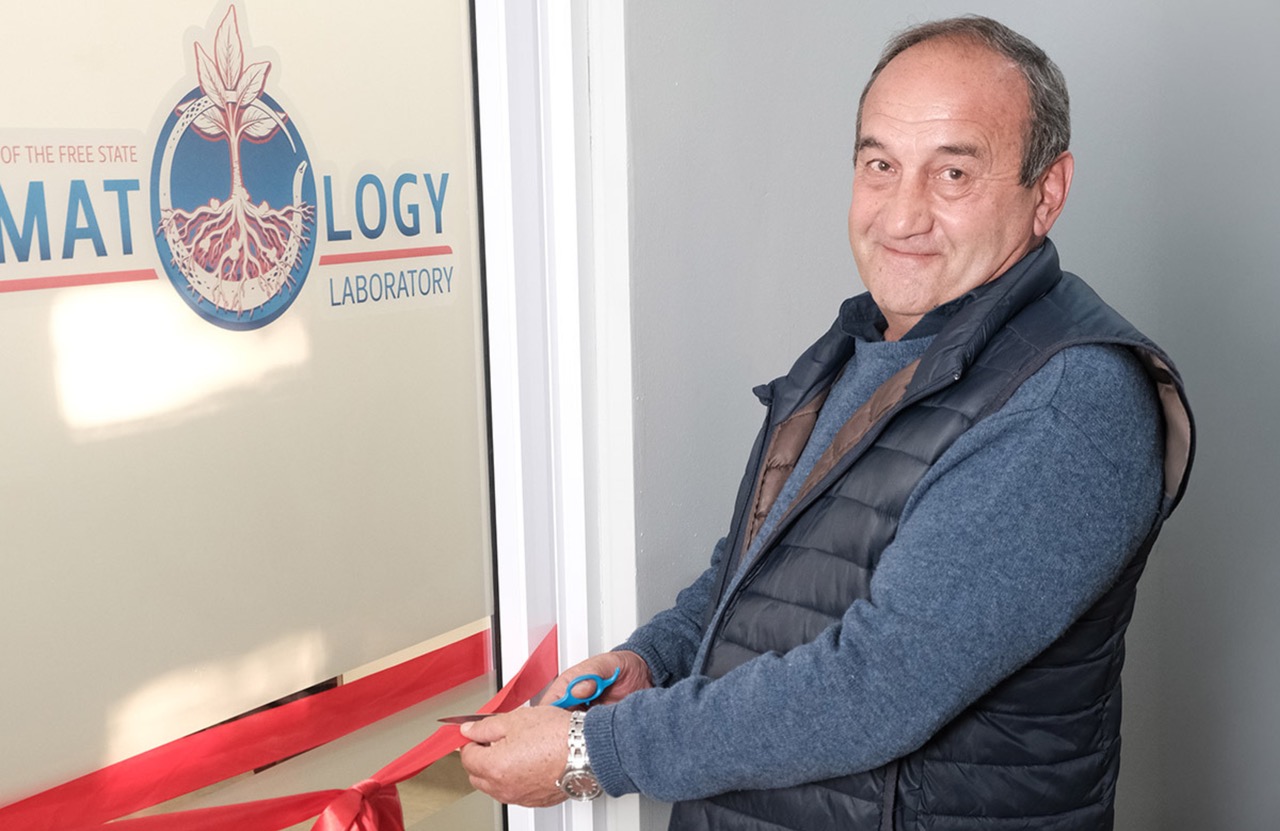
Zoology research at the University of the Free State gets a boost with the opening of an upgraded nematology lab and the unveiling of a specialised microscope, believed to be the first of its kind in Africa.
Free State, South Africa (25 June 2026) – The new facilities were officially launched on 18 June and will aid in strengthening research, supporting postgraduate students and tackling challenges across agriculture, biodiversity and disease research!
The upgraded Nematology Laboratory has been designed as a modern space for studying nematodes – tiny worms found in soil and water, some of which can damage crops. The lab now includes dedicated areas for extracting and processing samples, as well as a cold room for storage and updated research equipment.
The lab supports academic research and helps farmers and industry partners by offering diagnostic services, running efficacy trials and supporting research into more sustainable ways of managing plant-damaging nematodes.
Since becoming operational in November last year, the lab has already processed close to 3,000 soil and root samples.
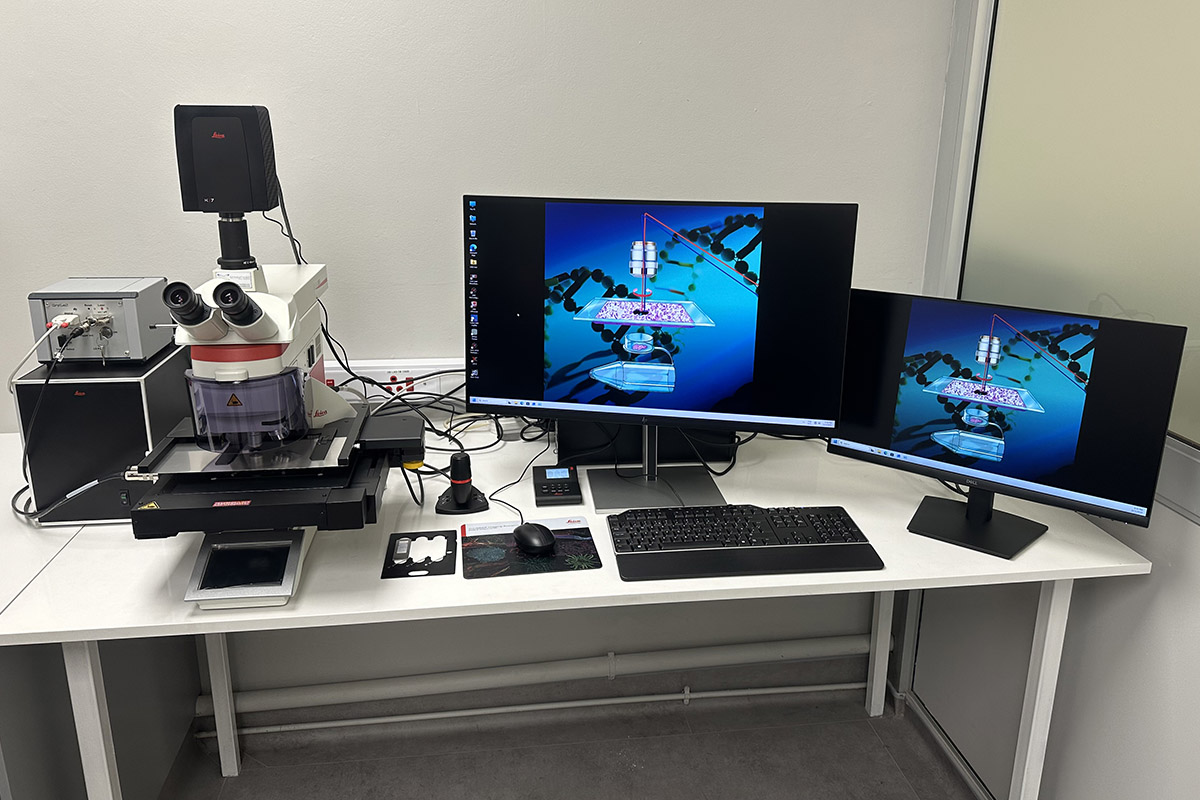
Alongside the lab upgrade, the University of the Free State also unveiled a ‘Leica LMD6 laser microdissection microscope’. It is a highly specialised piece of equipment that allows researchers to isolate specific cells or tiny structures from a sample for deeper analysis.
In simple terms, it helps scientists look at things on a much more precise level than a standard microscope can. That opens the door to advanced research in areas like DNA sequencing, genetics, wildlife parasites, veterinary science and biodiversity.
The microscope is especially exciting for UFS researchers because it will help them study blood parasites in wildlife in far greater detail, including parasites found in birds, reptiles and amphibians.
The microscope was acquired through a National Research Foundation grant, together with support from UFS, in a combined investment of R7.4 million.
Together, the upgraded lab and the new microscope are a big step forward for the university’s research capabilities. They’ll also create valuable hands-on learning opportunities for honours, master’s, doctoral and postdoctoral students.
 SA's Incredible Volunteer Therapy Dogs Are the Gentlest Heroes!
 Heading to the Coast This Weekend? The NSRI Has an Important Safety Reminder
 by
by