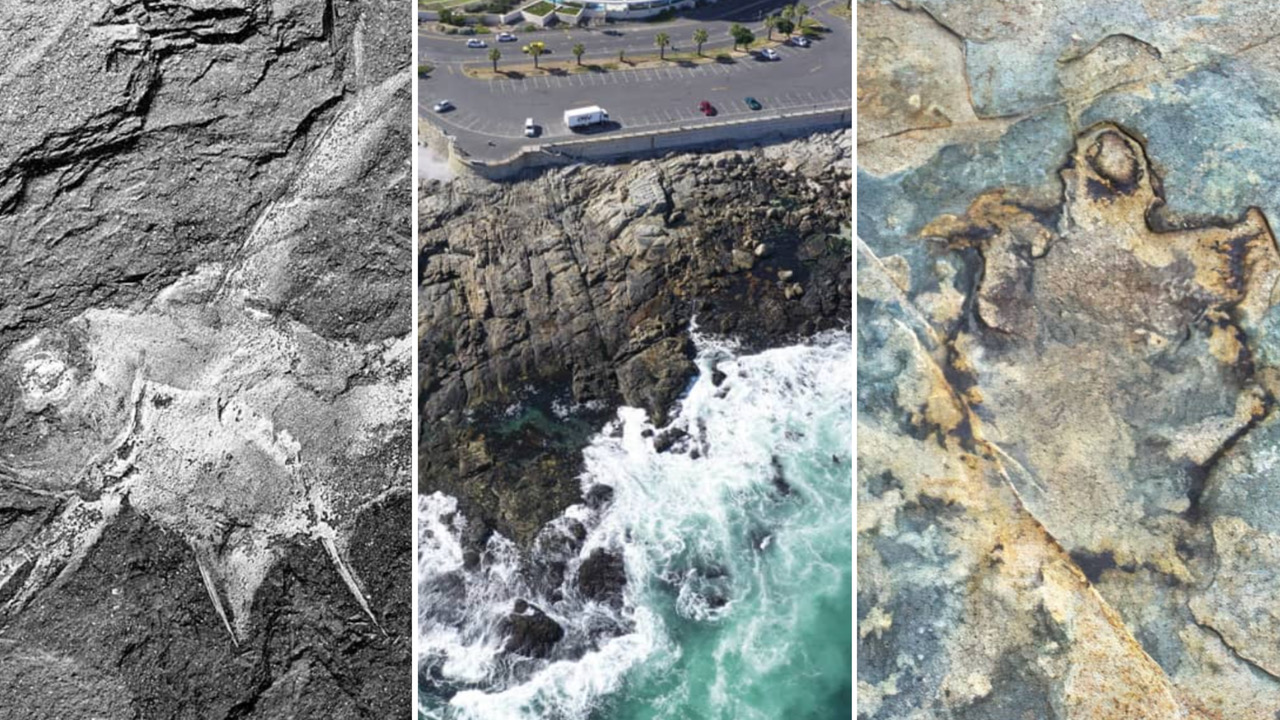
Darwin’s rock, ancient microbes and a polar fossil farm have earned South Africa three new spots among the world’s most important geological sites!
South Africa (11 November 2026) – Three South African sites have just been named among the most scientifically important places on Earth!
One is a rock face in Cape Town that Charles Darwin studied. Another is a river gorge holding some of the oldest signs of life. The third is a farm near Makhanda where fossils have rewritten part of the story of how animals first walked on land.
The International Union of Geological Sciences (IUGS) is the body that represents geologists worldwide. It keeps a list of IUGS Geological Heritage Sites. These are places with extraordinary rocks, fossils or natural processes that scientists everywhere use as a reference. Some earned their spot because they helped shape how we understand the Earth’s history.
The list is built in batches of 100. The first 100 were announced in Spain, in 2022. The second followed in 2024 at the International Geological Congress in South Korea. The third has now been announced after 156 experts from 49 countries met in Loulé, Portugal.
The latest list of 100 spans 47 countries. Mount Fuji in Japan, the fjords of Norway and the San Andreas Fault in the US are among them. Eleven of the 100 are in Africa, and three of those are in South Africa!
Many of these places are already protected in parks and reserves, but many are not. The IUGS says the recognition can bring more attention, more use as teaching sites and, most importantly, better protection.
South Africa’s Three Joining the Geological Hall of Fame!
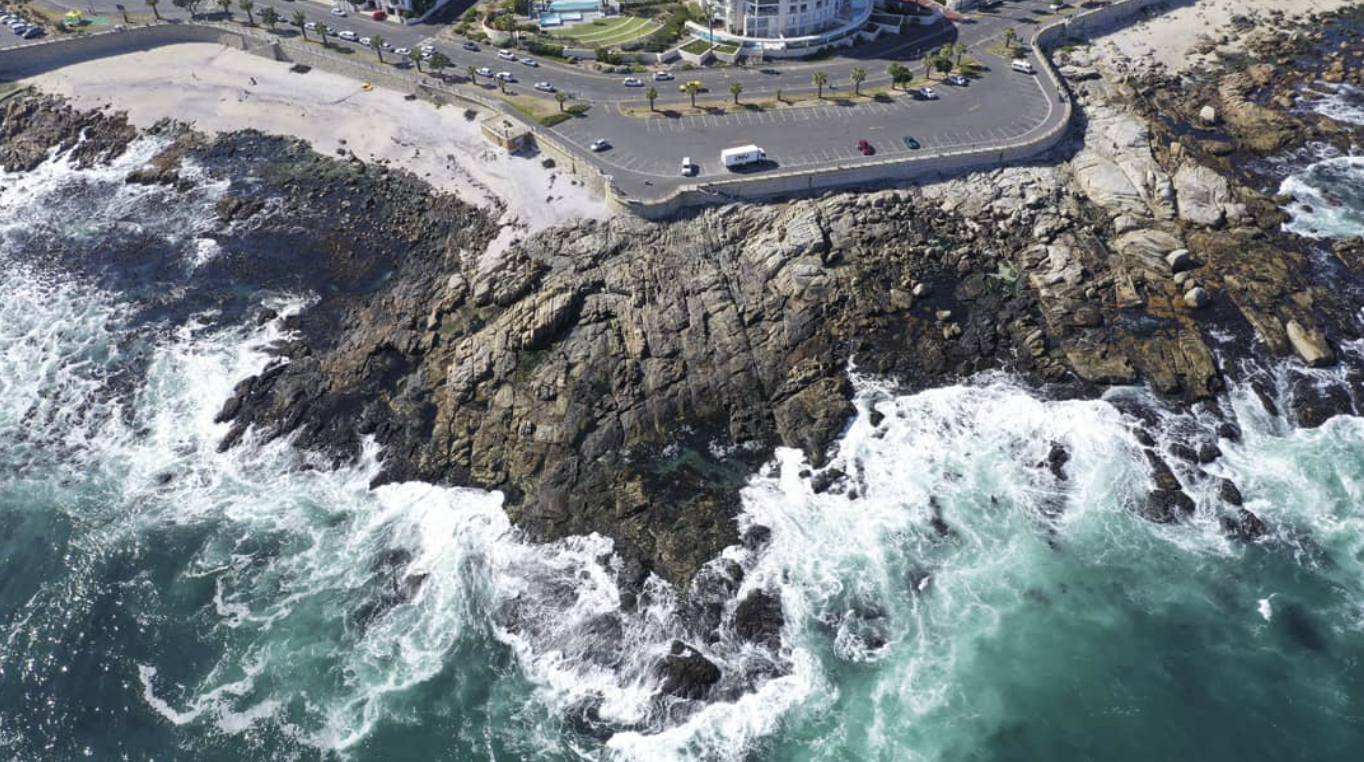
The first listed in the newest batch is in Sea Point in Cape Town.
Along the Atlantic coast, granite and the older layered rock next to it meet. This meeting point is called an ‘intrusive contact.’ It’s where molten rock pushed up into the rock around it and then cooled. The spot is part of science history…
In the early 1800s, geologists argued over where granite came from. Some believed it formed from cooled molten rock (the Plutonist view). The place was first described in 1818 by Clarke Abel. Charles Darwin then visited in 1836 and backed the molten-rock explanation. He also saw that the heat from the granite had changed the rock beside it, and he worked out that for this rock to be exposed at the surface, a very long period of erosion must have worn away what once covered it. That fitted his bigger idea that living things change gradually over vast stretches of time.
Related Stories
 Animal Welfare Society Races to Save Family Pets in Two Fire Disasters
 Constantia Community Rallies to Give Cherished Parish Park a Revamp!
Next is the Nhlazatse Section in the Wit Mfolozi River Gorge.
It holds an unique outcrop of fossilised microbial mats. These are thin layers of microscopic life that grew on ancient shorelines, in a time when microbes were the main life on Earth. This one dates to the Mesoarchean, an extremely early chapter in Earth’s history. The fossils are exceptionally well preserved. The shapes of the mats change from one layer to the next, scientists say this shows the coastline was shifting through three different climate zones as time passed. The research behind it has been cited more than 450 times and was highlighted in a Nature news article.
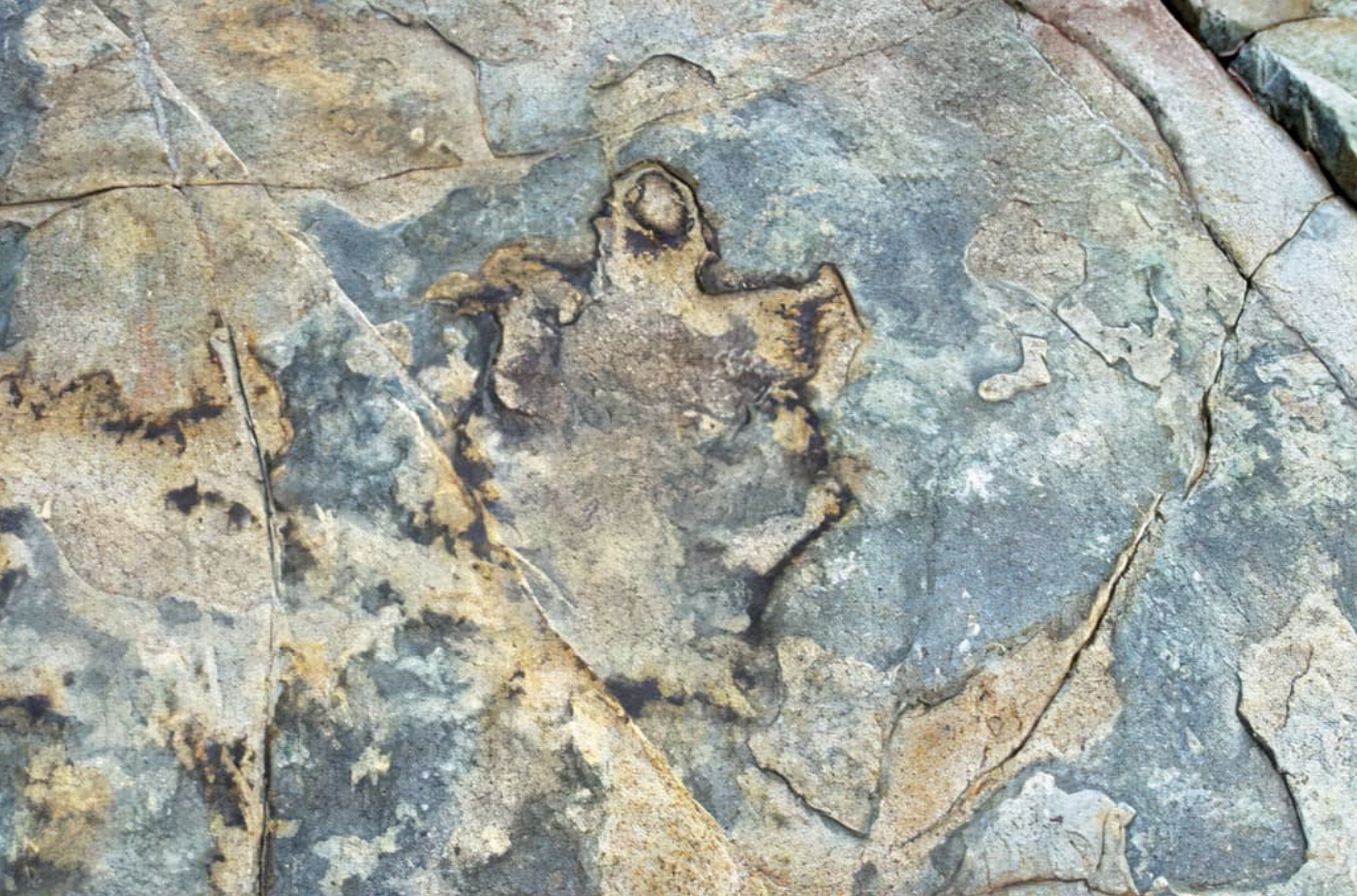
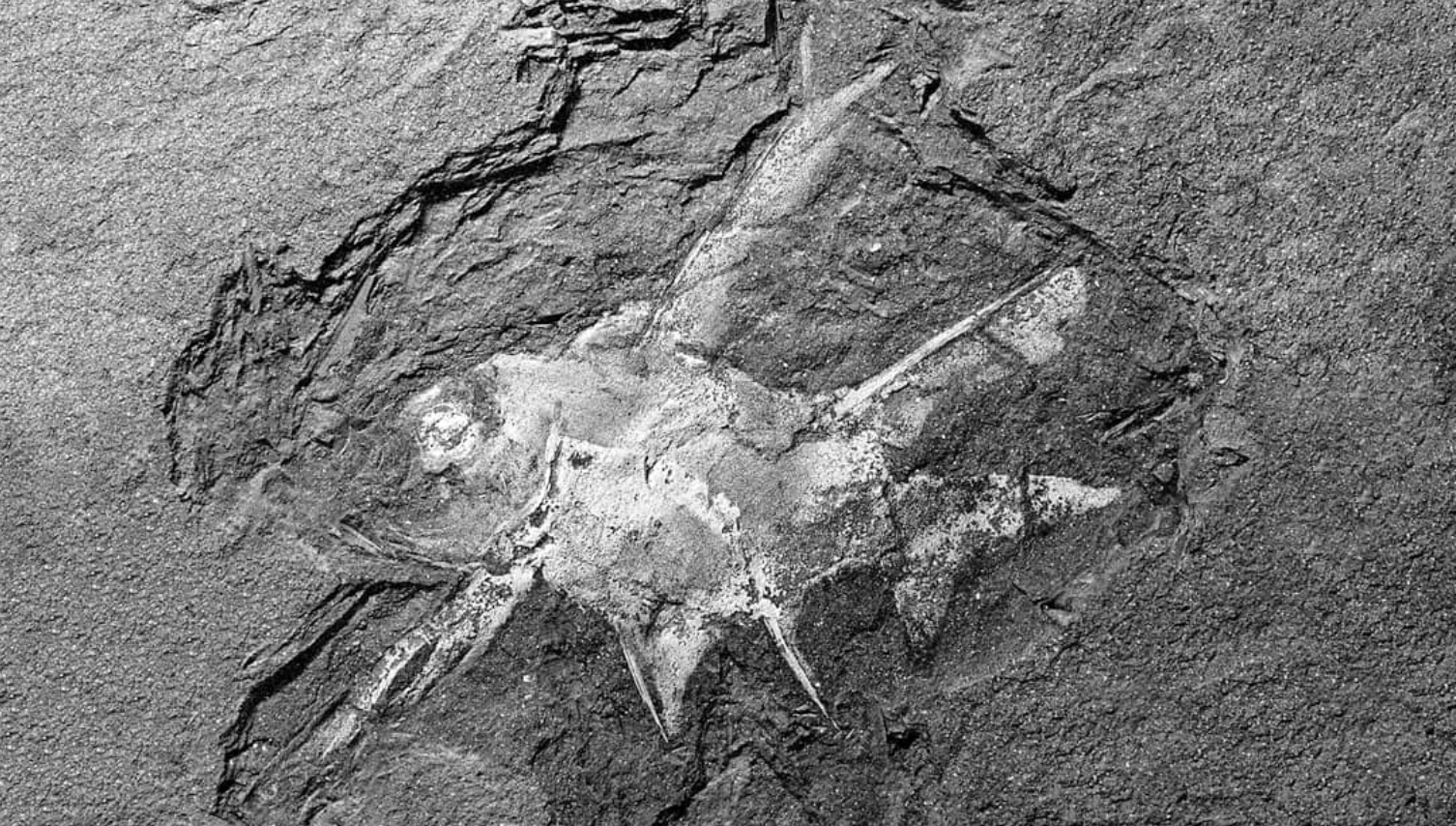
The third site is Waterloo Farm in Makhanda, Eastern Cape. It is the only place in the world that gives a full picture of life near the poles in the Late Devonian period. Every other major site from that time was in the tropics. Scientists had believed the earliest tetrapods, the first four-legged animals, lived only in the tropics, and that the earliest woody trees grew only in tropical or warm regions. Waterloo Farm proved both wrong. The fossils even preserve soft tissue, which is rare. That includes a complete growth series of the oldest known lampreys, a type of jawless fish, which challenged an established idea that these early lampreys had no larval stage.
The new three join three South African sites already on the list. The Kalahari Manganese Field is the world’s largest land-based source of manganese, home to rare and world-renowned minerals. The Vredefort Dome, about 120 km southwest of Johannesburg, is what remains of the largest impact structure on Earth, and it exposes rocks twisted and melted by a massive impact. The Barberton Greenstone Belt in Mpumalanga is a remnant of ancient Earth’s crust, holding some of the oldest and best-preserved volcanic and sedimentary rocks on the planet.
In total that brings South Africa up to six sites on a list of the planet’s geological greatest hits. You can check out the full world map of all the sites and read up about them here!
 by