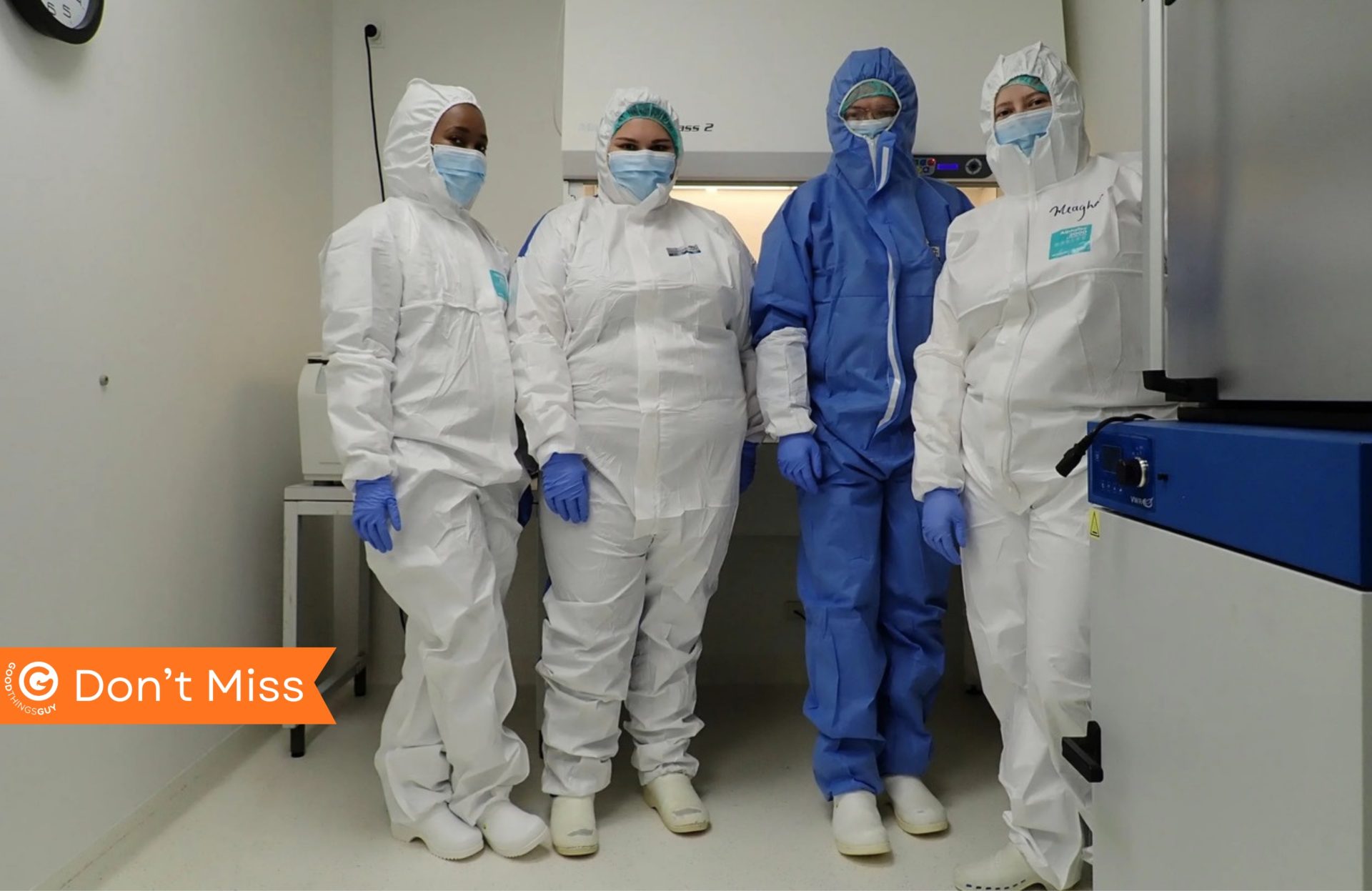
South Africa is making worldwide headlines for a fascinating scientific discovery that gives researchers more insight into our ancient relatives.
Gauteng, South Africa (26 June 2026) – An international team of researchers, led by South African scientist Dr Palesa Madupe, has successfully extracted and analysed protein fragments from the fossil teeth of Homo Naledi for the very first time!
The fossils were found in the Cradle of Humankind World Heritage Site, one of South Africa – and the world’s – most important and fascinating heritage sites.
It’s a major breakthrough because it shows that researchers can study ancient remains in a way that causes little to no visible damage to these priceless fossils.
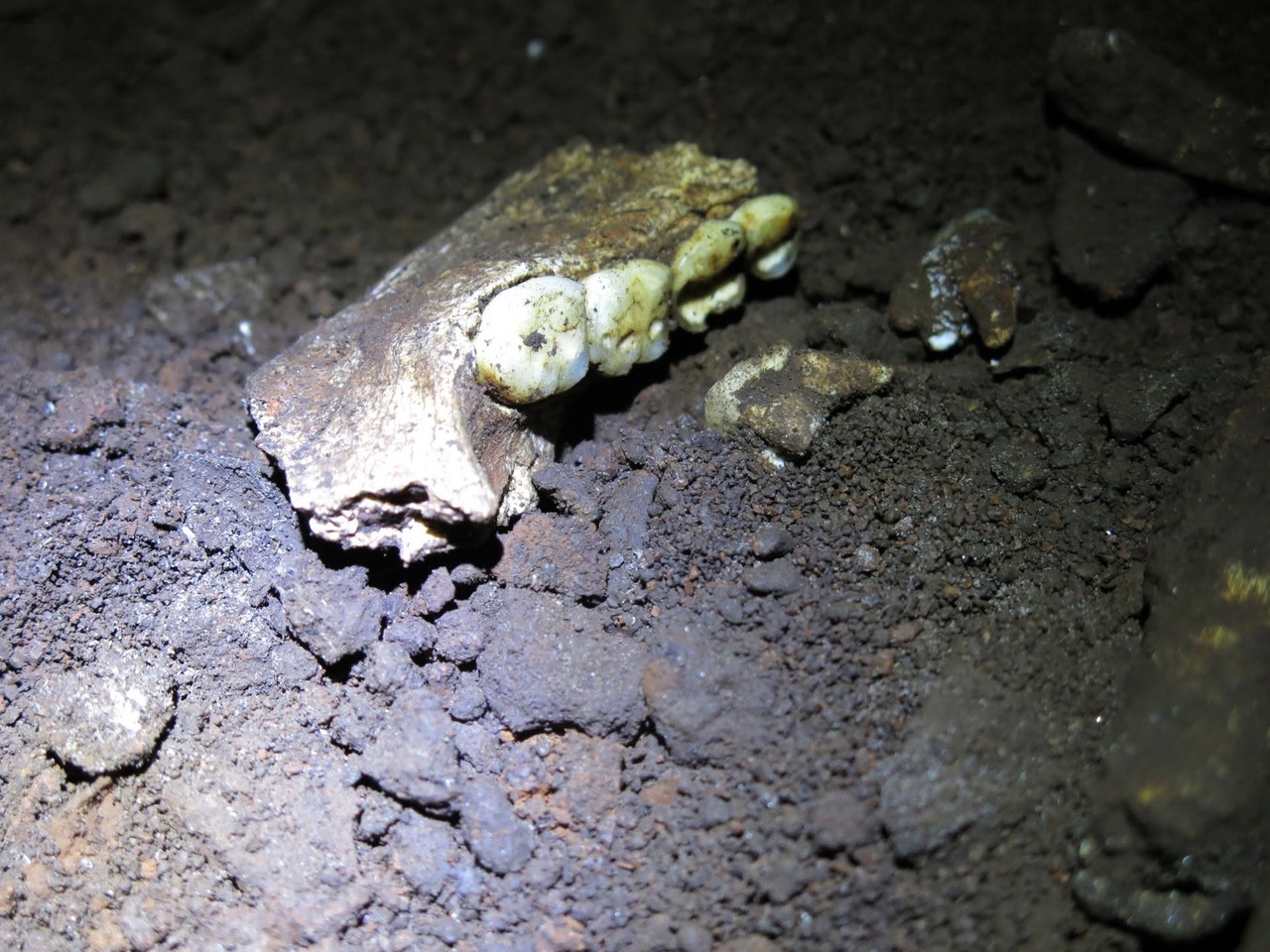
For the study, scientists looked at 23 fossil teeth from at least 20 Homo naledi individuals. It was the largest extinct hominin sample to ever be examined using ancient protein analysis.
They were searching for a specific protein marker called Amelogenin-Y, which is linked to the Y chromosome and is only found in biological males.
What they found was surprising – that none of the teeth showed the male marker. That means there is a strong possibility that all of the individuals tested from this group were biologically female.
While that finding is exciting on its own, the bigger breakthrough is what it means for science in the future. The success of the protein testing opens the door to learning much more about extinct human relatives without having to heavily damage the fossils in the process.
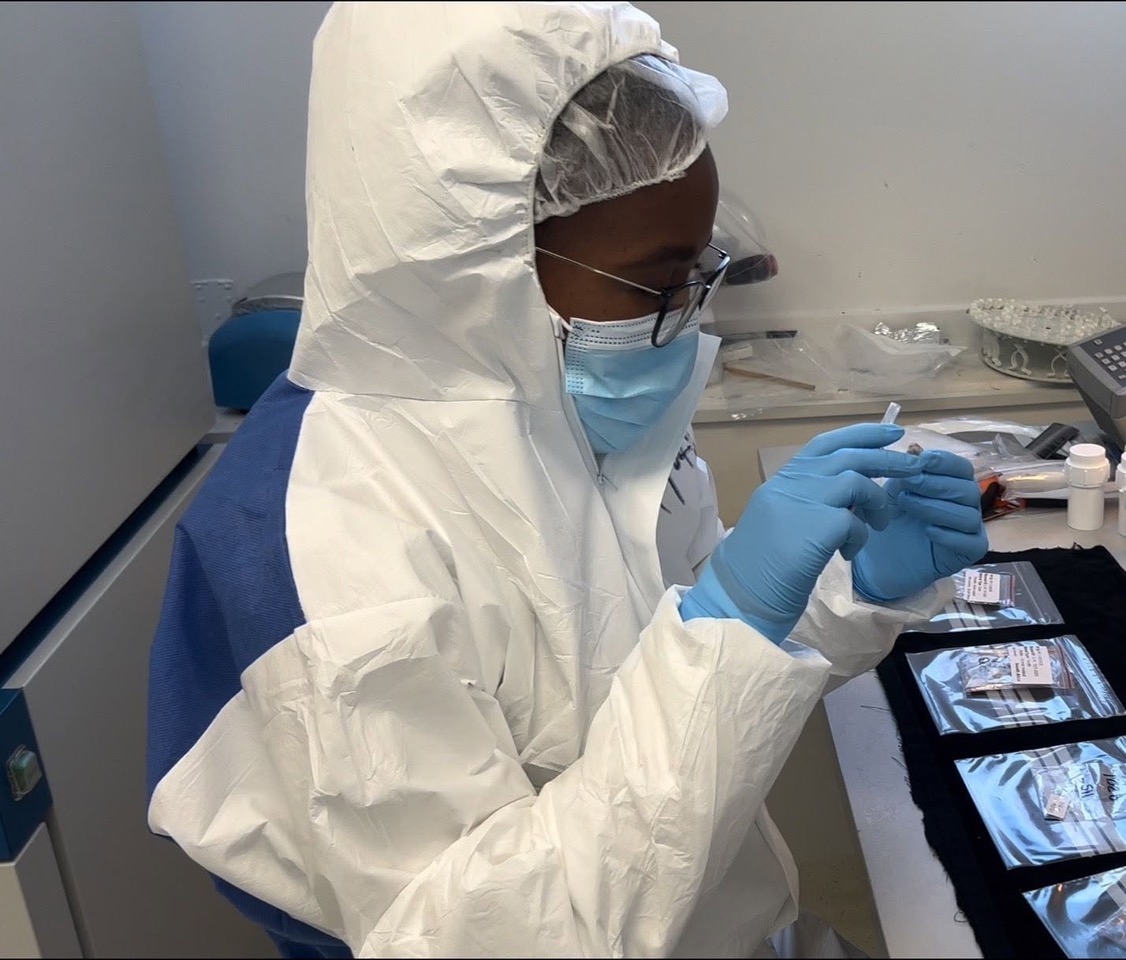
“Our results demonstrate that protein analysis of Pleistocene hominins is not just possible, in some cases, it can be done in a minimally destructive way,” says Madupe as per the Human Evolution Research Institute (HERI), of which she is an associate.
“This means potentially opening the door to a whole new way of sustainably investigating the differences between sexes in groups of extinct hominins and other animals without causing visible damage to these priceless fossils,” she adds.
 Goodbye Uncle Sidney: South Africa Mourns a Man We All Came to Love
 South Africa, We Have SO Much Good News to Share With You!
The reason scientists can do this is because tooth enamel is incredibly durable. In fact, enamel is the hardest tissue in the human body, which means it can protect tiny protein traces for a very, very long time.
“Proteins in tooth enamel are preserved because dental enamel – the hardest tissue in the human body – shields proteins from environmental contamination even for millions of years. This makes them ideal carriers of genetic information from deep time,” said Madupe.
Dr Madupe, a South African-born molecular scientist, published the findings in the journal Cell alongside colleagues from the University of Copenhagen, the National Geographic Society’s Rising Star project and 13 collaborating institutions from around the world, HERI reports.
She led the research while completing her PhD at the University of Copenhagen and is now a postdoctoral researcher at the Max Planck Institute for Evolutionary Anthropology in Germany.
HERI Co-director Professor Rebecca Ackermann calls Dr Madupe a ‘rising star’ and an example of what South African talent can achieve when given the right opportunities and support!
 by
by