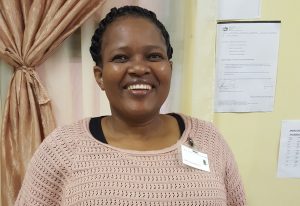
Dr Sue Tonin, Dr Vonica Perold, Lola Singo, and Santjie du Toit have set off for Marion Island as part of a team working to save birdlife on the island.
South Africa (16 August 2026) – The next set of incredible scientists and researchers set off for Marion Island recently, marking yet another year of commitment to saving birdlife.
Marion Island is a remote, windswept refuge halfway between Cape Town and Antarctica, and the largest of the two Prince Edward Islands (South African territory). Though the island is uninhabited by humans (bar the few researchers who call it home), its status as a biodiversity treasure is still under threat because of past human interference.
It is home to a quarter of the world’s Wandering Albatrosses, which are currently deeply threatened alongside 27 other seabird species. The main problem is that the birds face extinction because of mice and climate change, which have shifted the natural ecosystem.
The Mouse-Free Marion Project is a collaboration between the South African Department of Forestry, Fisheries & the Environment (DFFE) and BirdLife South Africa.
Recently, the next set of scientists set off for the island as part of the annual relief voyage. The all-female team are being celebrated and set off at the perfect time, Women’s Month!
“Dr Sue Tonin (MFM Assistant Project Manager) and Dr Vonica Perold (MFM 2025/2026 Field Assistant) will work alongside new MFM overwintering Field Assistants, Lola Singo and Santjie du Toit, during the takeover expedition.
Lola and Santjie won’t be returning anytime soon. They’ll spend the remainder of the year on Marion Island until the next relief voyage arrives in May 2027!
The work the team undertakes during this takeover and throughout the rest of the year is critical. It is essential preparatory work for the aerial bait trial planned for 2027 and will inform our overall eradication strategy.” – Mouse-Free Marion
Did you know: Since MFM began its research presence on the island in 2022, nearly all previous Marion Island Overwintering Field Assistants have been women.
Related Stories
 Mandlakazi High's Principal Knew Her Students Deserved Better – So She Did Something About It
 Graeme College Learners Shake Tins to Tackle Period Poverty!
The team are equipped with supplies for the island and will swap out with the scientists currently there. They will face intense weather, challenging days and be on the ground to make a difference in conservation. It sounds marvellous!
Typically, they will overwinter on the Island for around 15 months. Weather conditions play a role in many of the travel elements, and this year, the voyage on the S.A. Agulhas II set off in August, later than usual. They left on the 5th of August.
You can learn more about the project and find out how to donate via the website here.
 by
by