A partnership led by the University of Pretoria’s Community-Oriented Primary Care Research Unit has transformed a once-cramped facility into a safer, more welcoming space for one of Pretoria’s most underserved communities.
Pretoria, South Africa (18 August 2026) – Until recently, getting healthcare at the Zama Zama Clinic in Pretoria West could mean standing outside in the rain, walking through muddy pathways or waiting in clouds of dust before seeing a healthcare professional. Inside, cracked floors, limited consultation space and ageing infrastructure made things difficult for both patients and staff.
Now, the clinic has been given a new lease on life.
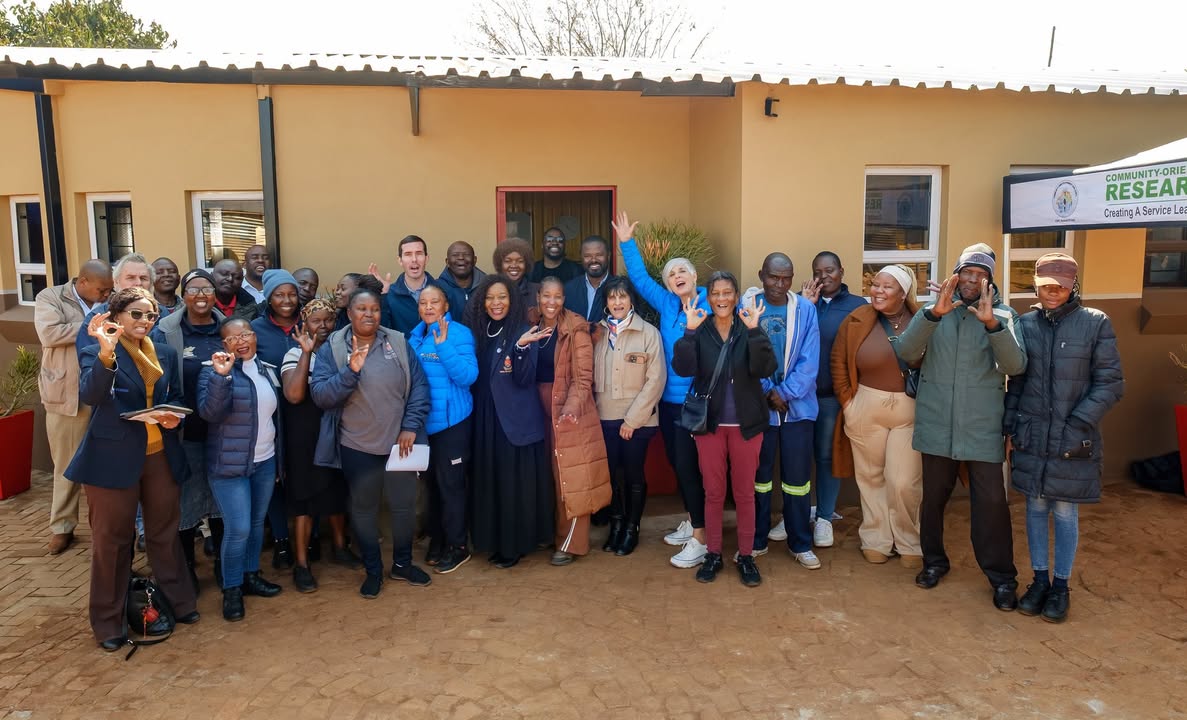
The newly renovated facility has officially reopened following a collaborative project involving the University of Pretoria’s Community-Oriented Primary Care (COPC) Research Unit, New Schools of H.O.P.E., Coca-Cola Beverages South Africa, ProMed, Starbucks and community stakeholders.
The transformation has brought bigger waiting and consultation areas, improved medicine storage, running water, proper sanitation, a staff kitchenette and colourful artwork.
Community leader Ntate Mogale, who has lived in the Zama Zama informal settlement since 2019, described the transformation as remarkable.
“The new clinic is absolutely wonderful. It is clean, modern and welcoming, and it gives people confidence when they come here for healthcare.”
He said the project showed what can happen when universities, organisations, businesses and communities work towards a shared goal.
But the story of the clinic stretches back to 2016, when it first opened as a modest 12-metre shipping container adapted by New Schools of H.O.P.E. to provide basic healthcare services.
As the informal settlement grew, the small facility quickly became overwhelmed. Patients were often left waiting outdoors, while the structure itself deteriorated.
Related Stories
 Cape Town Shop Turns Surplus Food into Over R100,000 for the Hungry!
 Miss South Africa’s “The Mandate”: Preparing Women Not Just for a Crown, But for Leadership and Responsibility
For Alida Fourie, founder of New Schools of H.O.P.E., seeing those conditions became the driving force behind the transformation.
“We saw patients waiting outside in the rain, in the mud. We saw dust, and we unfortunately saw neglect, an environment that did not reflect the value of the people it was supposed to serve,” she said.
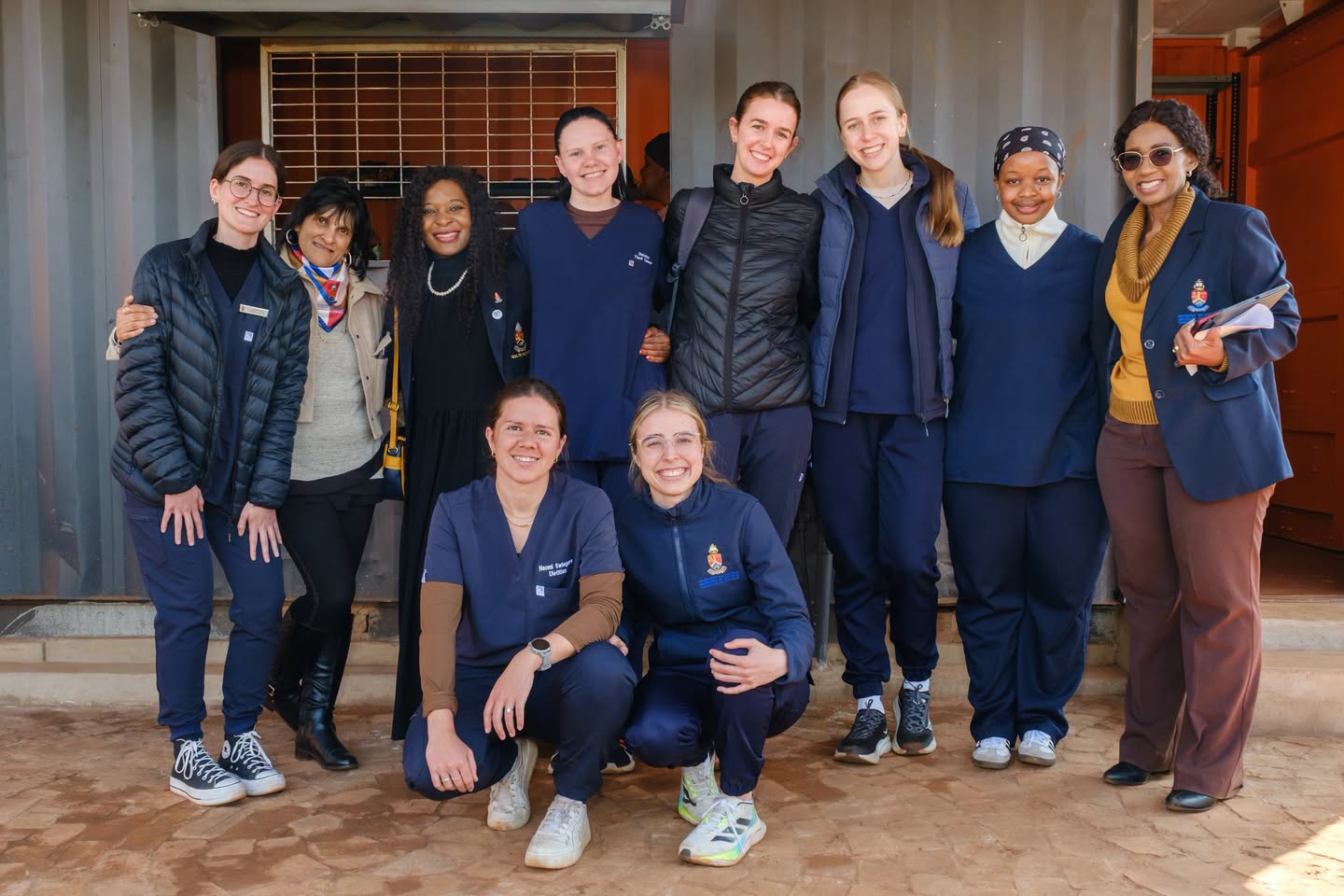
That same focus on dignity was highlighted by Professor Flavia Senkubuge, Dean of the University of Pretoria’s Faculty of Health Sciences, who described the project as an example of what meaningful collaboration can achieve in underserved communities.
“It is not only about having a healthcare facility here, but about creating a space that is beautiful, welcoming and dignified.”
Dr Edith Madela-Mntla, Director of the COPC Research Unit, said the previous conditions had limited some of this work, including community-based research and multidisciplinary student training.
“Healthcare is not just in the community, but for and with the community.”
For residents, the reopening represents more than new walls, brighter colours and improved facilities. It is a sign that their community matters.
Mogale believes the renewed clinic has given Zama Zama something equally important: hope.
“The reopening shows what is possible when organisations, universities, businesses and communities work together.”
 by
by