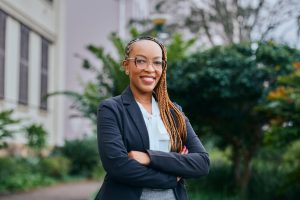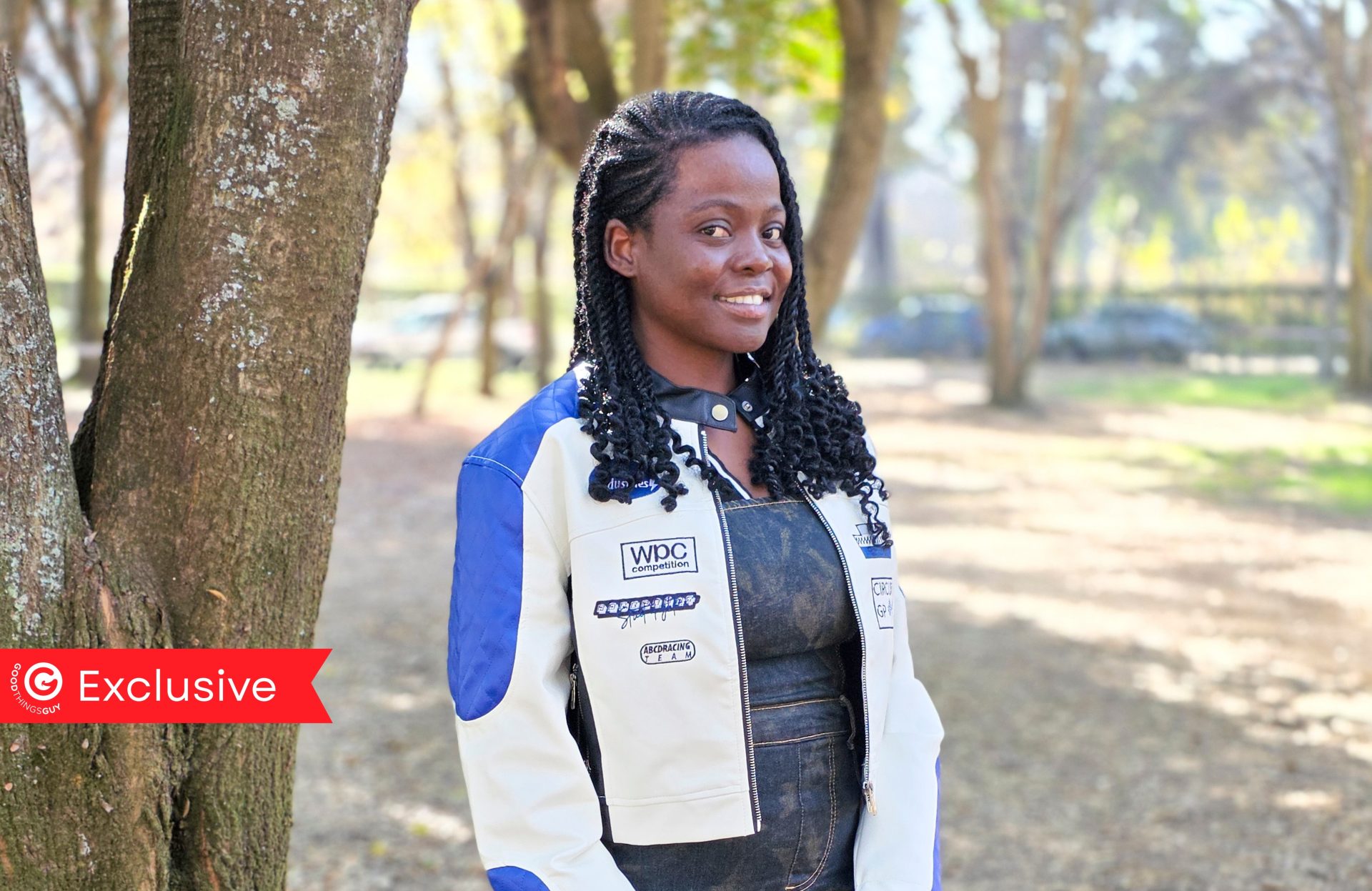
After surviving burns to 60% of her body, Dr Khathu Sebola returned to medicine with a deeper understanding of healing, resilience and the power of compassion.
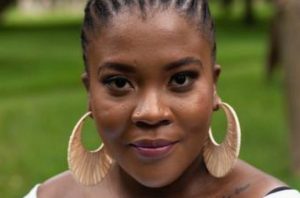
South Africa (16 October 2026) – In another inspiring instalment of Profmed’s BeRemarkable campaign, we meet Dr Khathu Sebola, who overcame severe burns and today uses her own experience to help treat patients in rural Limpopo.
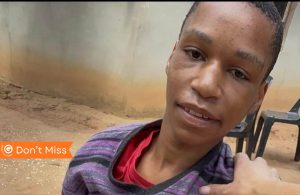
In October 2016, Dr Khathu Sebola was a 21-year-old medical student with three years of training behind her and a dream of becoming a doctor. Then the bus she was travelling in was petrol-bombed during strike action. Khathu sustained burns to 60% of her body and was the only survivor.
She spent about three months in hospital, including time in intensive care, followed by much of the next year in rehabilitation. She had to learn to walk again and regain her independence, putting her medical studies on hold while she focused on recovery. Today, she is a medical officer at Malamulele Hospital in Limpopo, bringing to her work an understanding of pain, vulnerability and healing shaped by her own experience as a patient.
Born in Venda and raised in rural Limpopo, Khathu became interested in medicine while she was still at primary school. She saw how clinics in outlying communities operated and recognised the difficulties people faced when trying to access healthcare. Those early observations helped shape her ambition to become a doctor who could serve communities beyond South Africa’s major centres.
Although she briefly considered engineering in high school, medicine continued to draw her back. Reading a doctor’s autobiography helped her focus on her goal, while the University of Pretoria’s JuniorTukkie programme introduced her to the university she would eventually attend. By matric, she knew what she wanted to pursue and was working towards a future in healthcare.
The attack happened after Khathu had completed her third year at the University of Pretoria. Much of her initial treatment remains difficult to recall, but the long recovery that followed became a defining chapter in her life. At 21, she had to navigate physical pain and uncertainty while learning to manage everyday tasks again, often measuring progress in small but significant steps.
Initially, she questioned why the attack had happened to her and why it had happened at that point in her life. Over time, however, her focus shifted towards recovery and finding a way forward. She also began to recognise that her experience might one day help someone else facing a difficult period in their own life.
“I wanted to be able to tell someone going through a difficult time that it is possible to keep moving forward,” she says. “I may never have a simple explanation for how I made it through, but I can stand beside someone and help them believe that they can too.”
Despite the challenges of rehabilitation, Khathu remained determined to return to medicine. Once she could walk and function independently again, she completed a short elective module at a hospital, shadowing a department and writing the required report. The experience confirmed that she still wanted to become a doctor, and in 2018, she returned to the University of Pretoria to continue directly into her fourth year.
Related Stories
 Your Old Laptop Could Power a Young Conservationist’s First Year in the Field!
 Graham Howes’ Legacy Lives On Through New NSRI Rescue Vessel
Her time as a patient had also changed how she understood the relationship between healthcare professionals and the people they treat. During her recovery, some people made assumptions about the cause of her injuries before hearing her story, with some believing her burns had resulted from an altercation with a partner. The experience showed her how easily people can be judged by their appearance rather than understood as individuals.
That lesson now shapes the way she approaches her patients. Khathu believes that good medical care requires more than identifying symptoms and prescribing treatment. It also means listening to people, understanding their circumstances and recognising the emotional weight that illness and injury can carry.
“I try to approach each person with an open mind,” she says. “A patient carries a full story into the room, and taking time to understand that story can change the care we give. Pain also has an emotional side, and people need to feel that the person treating them sees it.”
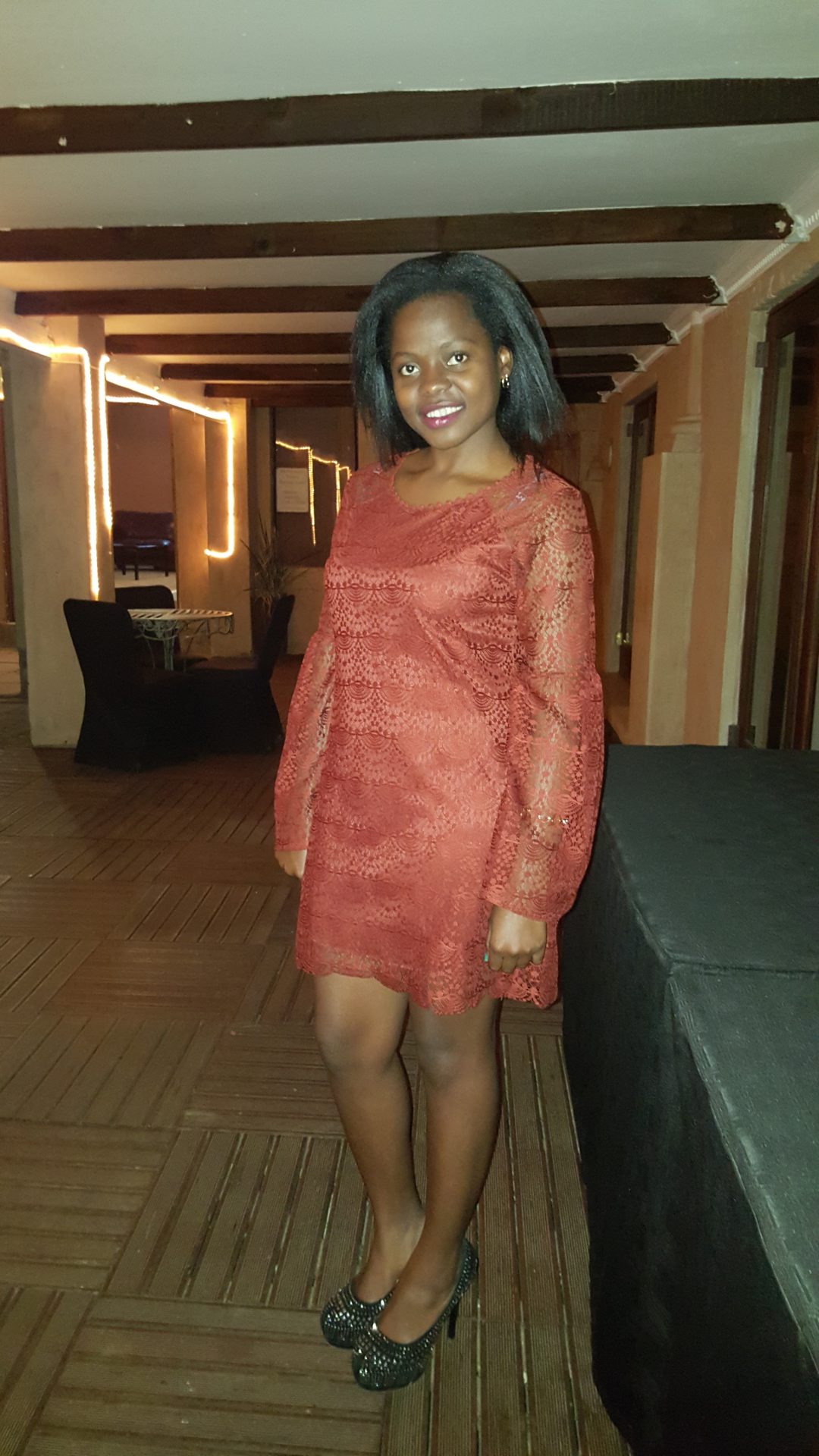
Khathu began her medical internship in Durban in 2021, joining Profmed during this demanding transition from student to practising doctor. After completing her internship, she waited six months for a community service placement before eventually returning to Limpopo.
Her return to Limpopo has brought her journey full circle, allowing her to contribute to the communities that helped shape her ambitions. Her next career step is also taking shape. Although she once expected to specialise in paediatrics, her hospital experience has increasingly drawn her towards anaesthesiology, where she would have the opportunity to ease patients’ pain and help them feel safe during procedures that can be frightening or overwhelming.
For Khathu, the difference a doctor makes is not measured only by the treatment provided, but also by how a patient feels in their care. Someone may not remember every detail of an operation or the name of the doctor who helped them through it, but they may remember being reassured, listened to and treated with kindness at a vulnerable moment. It is a perspective shaped by her medical training and deepened by her own experience on the other side of the hospital bed.
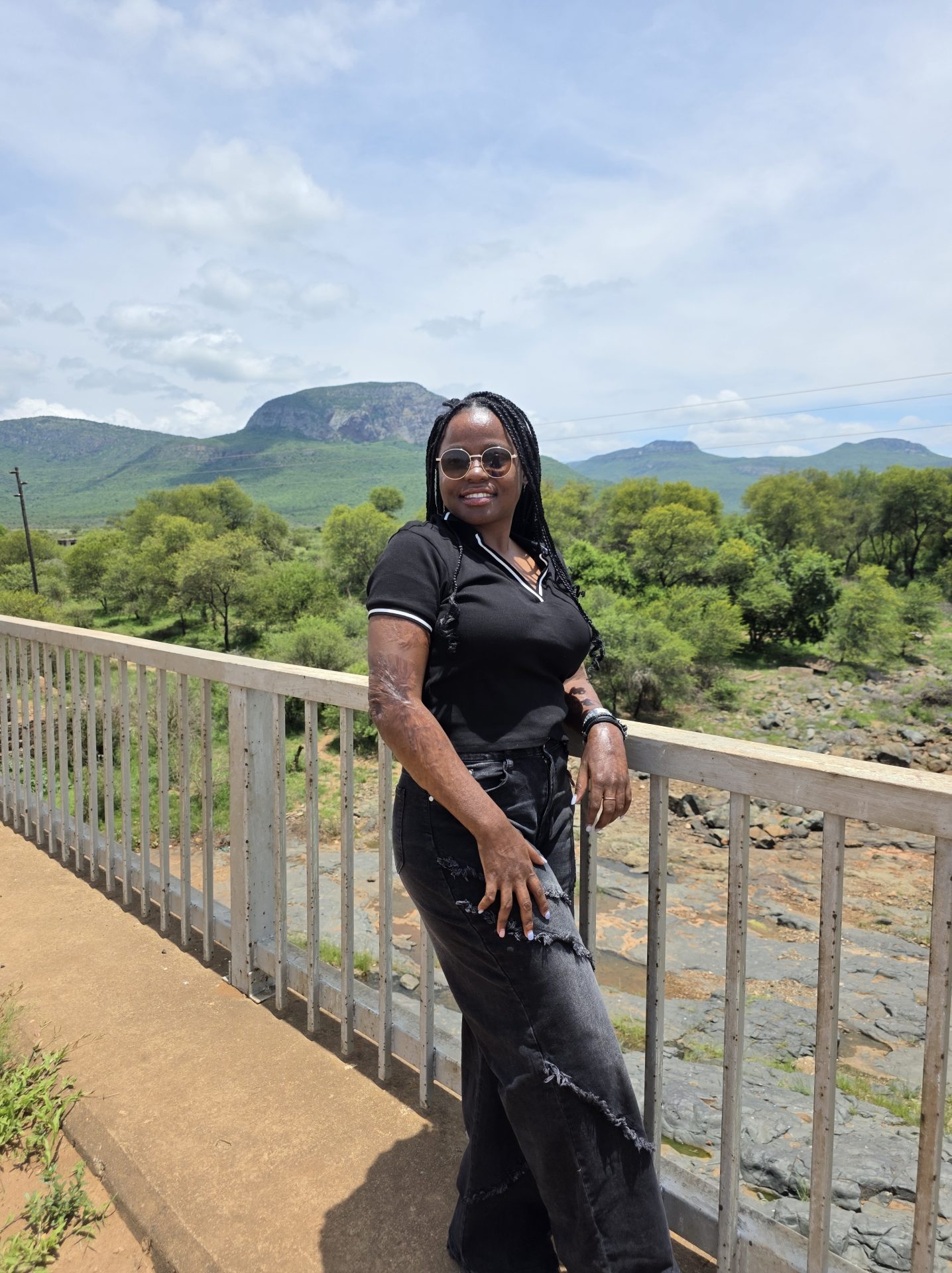
Profmed launched the BeRemarkable storytelling movement to put South Africa’s professionals at the centre of a bigger conversation about health, community and the future we are all trying to build.
BeRemarkable invited Profmed members to share their journeys, covering the real stories that celebrate the setbacks, the breakthroughs and the moments that made them question everything or reminded them why they started. These stories are being given the light they deserve, on a platform that values them most.
Dr Khathu Sebola joins a cohort of inspiring young professionals who have shared their stories in the hope of inspiring others.
As the tenth anniversary of the attack approaches, Dr Khathu reflects on the distance between the young student who entered hospital at 21 and the doctor she is today. Her recovery changed the pace of her journey, but it did not take away the ambition that brought her to medicine in the first place.
Today, she is helping patients in rural Limpopo navigate their own health challenges, bringing clinical knowledge and a personal understanding of recovery to her work. Her story is not only about surviving an unimaginable ordeal, but about finding a way forward and allowing that experience to deepen her care for others. For Dr Khathu Sebola, the journey towards healing has become part of the work she does every day.

 by
by