CapeNature and partners are calling on Western Cape communities, schools and businesses to join the 2026 #DontBeTrashy Drive throughout September.
Western Cape, South Africa (31 August 2026) – What if protecting some of South Africa’s most beautiful places started with something as simple as deciding not to throw something away carelessly?
This September, communities across the Western Cape are being invited to get involved in the annual #DontBeTrashy Drive, a month-long campaign encouraging people to think differently about waste and the impact it has on the natural world around them.
Led by CapeNature in collaboration with the Department of Environmental Affairs and Development Planning, the campaign runs from 1 to 30 September and brings together schools, businesses, community organisations, conservation partners and the public.
The problem with litter is that it rarely stays where we leave it.
A plastic bottle dropped beside a road can be carried by wind or stormwater. Waste can move into rivers and wetlands, travel through estuaries and eventually reach the ocean. Discarded fishing gear can entangle wildlife, while wastewater pollution and plastic waste can damage habitats and contribute to the growing problem of microplastics.
It matters because the Western Cape’s natural spaces are not simply beautiful places to visit. Its rivers, wetlands, estuaries, coastline and landscapes support biodiversity, tourism, recreation, livelihoods and communities.
“The #DontBeTrashy Drive is about inspiring lasting behavioural change,” says Dr Ashley Naidoo, CEO of CapeNature. “Every item of waste that is reduced, reused or recycled is one less item that can pollute our land and marine-based environment.”
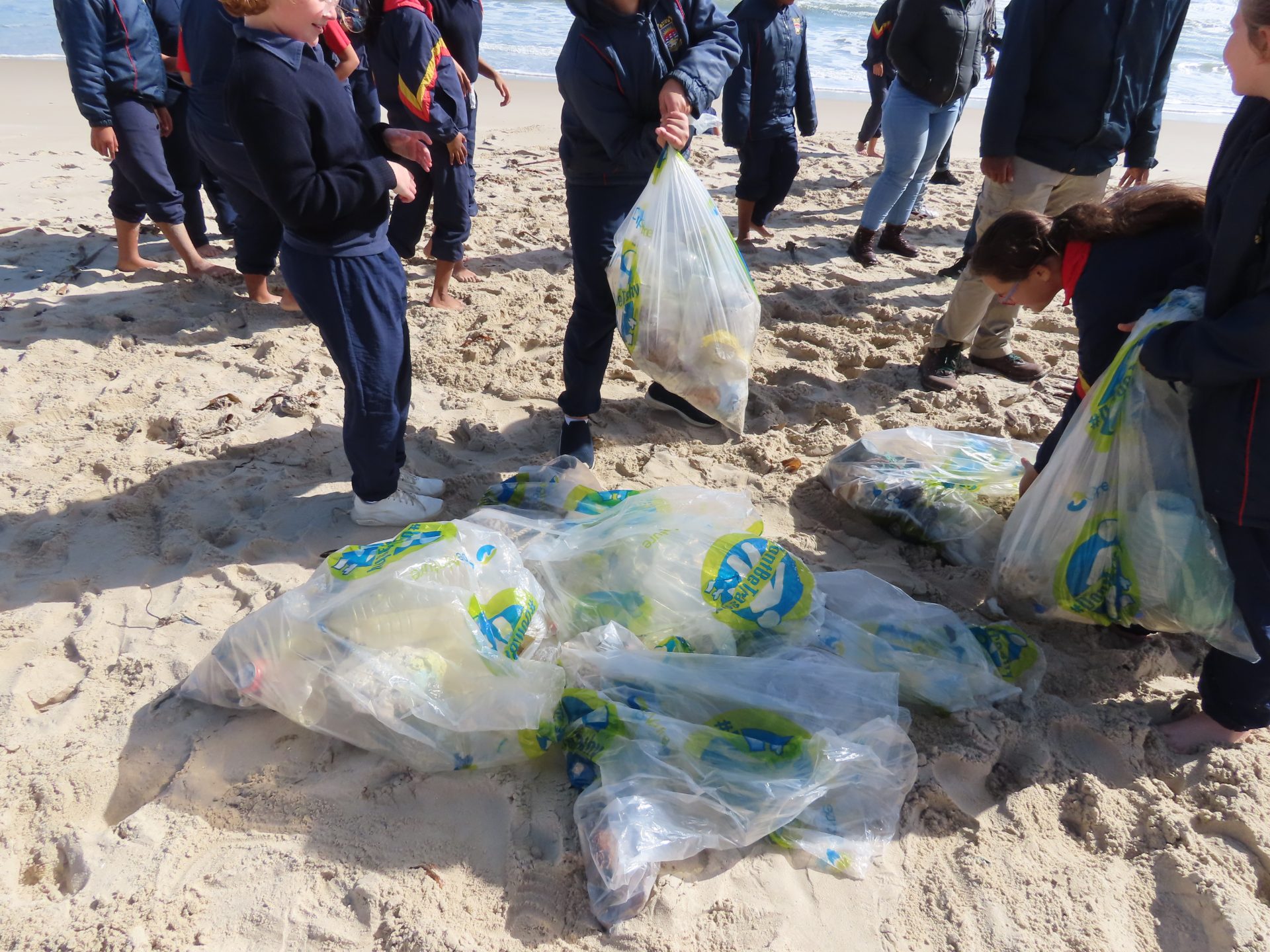
That focus on behaviour is an important part of this year’s campaign. September will see school outreach for Grade 3 and 4 learners, with the potential to expand the programme to Grades 6 and 7, alongside Captain Fanplastic activities, waste education programmes, LoveNature waste series videos, public clean-ups, social media education, radio interviews and educational resources.
View this post on Instagram
 These Surprising Leopards of South Africa Also Deserve Some Love!
 Dogs Found Safe But Hijacked Vehicle Still Missing – SPCA Still Needs Eyes and Ears!
 It is a reminder that conservation doesn’t only happen in nature reserves or on the coastline. It can start in a classroom, in a community, at home or with the decision to pick something up rather than walk past it. And while clean-ups are an important part of the solution, they cannot be the whole solution.
“Clean-ups are vital, but we will never sweep our way out of the ocean plastic crisis,” says Ruben Hazelzet, Creative Director of Soapbox South Africa. Through Captain Fanplastic educational resources, the campaign is helping young people understand waste and develop the habits and knowledge needed to prevent pollution before it reaches rivers and coasts.
It isn’t simply about asking people to clean up after the damage has been done. It is about giving people, especially young people, the knowledge and tools to stop that damage happening in the first place.
There are plenty of ways for all of us to play a part.
We can reduce our use of single-use plastics, dispose of waste responsibly, make sure litter doesn’t enter stormwater drains, report illegal dumping, support local clean-ups and share environmental awareness messages with the people around us.
“Our land, rivers, wetlands and coastal environments connect people, biodiversity and livelihoods,” says Carmen van Uys from the Department of Environmental Affairs and Development Planning: Coastal Management.
“Through campaigns like the #DontBeTrashy Drive, we want to empower communities with the knowledge and practical actions needed to prevent pollution and create cleaner, healthier natural spaces for future generations.”
Be a little more waste-wise. Teach a child why it matters. Pick something up. Use something again. Speak up when you see illegal dumping. Join a clean-up. Start a conversation.
The Western Cape’s wild spaces belong to all of us. Keeping them beautiful, healthy and alive for the generations who come after us starts with all of us too.
So, Western Cape, let’s get #DontBeTrashy.
 by
by