Visiting Kruger over the next year? This is an opportunity to put your cheetah sightings to good use.
Greater Kruger, South Africa (01 September 2026) – From today up until 31 August next year (2027), anyone who snaps a photo of a cheetah in the Greater Kruger can play a part in a year-long conservation project that aims to understand the region’s wild cheetah population.
The Endangered Wildlife Trust (EWT), together with SANParks, has launched the 2026/27 Greater Kruger Cheetah Photographic Census.
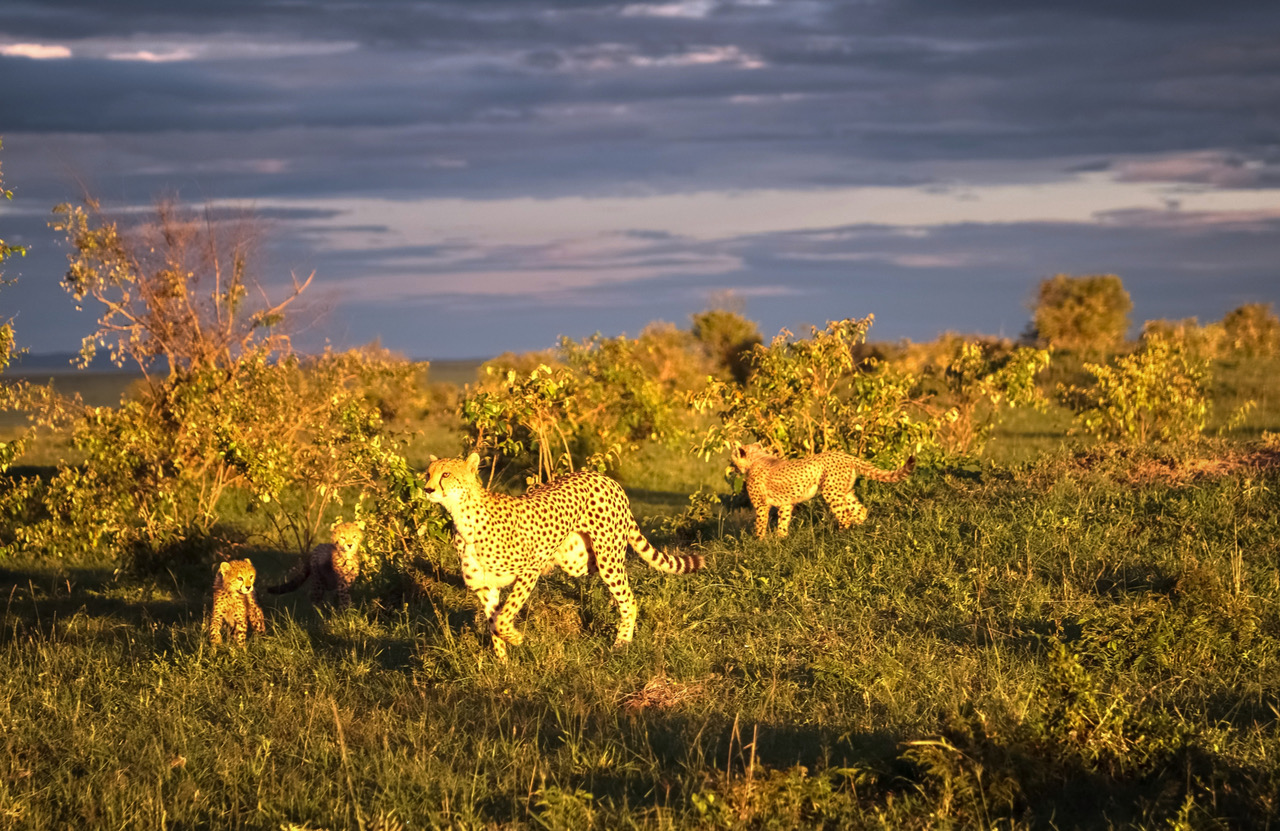
The project relies, in part, on photographs submitted by people who come across cheetahs while travelling through the area. These photos are useful because every cheetah has its own unique pattern of spots, which allows researchers to tell individuals apart and recognise the same animal in different sightings.
Over time, researchers can use this data to build up information about where it moves and how long it survives. This in turn creates a clearer picture of how many cheetahs are living across Greater Kruger and how the population is faring.
Photographic monitoring like this is not a new concept at all. Citizen-science surveys of African Wild Dogs date back to the late 1980s, and cheetahs were first included in 1990. Several cheetah censuses have followed since then, with the most recent being in 2021 and 2022.
During that census, 196 cheetah sightings were submitted. The EWT reports that of those, 151 photographs were good enough to use for individual identification, and researchers were able to recognise 86 different cheetahs.
Statistical modelling estimated that there were around 116 cheetahs in the Kruger National Park at the time. That was the lowest estimate recorded through the surveys so far, but the figure needs to be understood in context.
The census took place while tourism was still affected by the COVID-19 pandemic, which means fewer visitors were around to submit sightings. Researchers had also started using AI-assisted identification, which changed the way animals were being identified.
So, the lower estimate does not necessarily mean the cheetah population had declined by the same amount. What it did show was the need for more consistent information.
The new census will help researchers look at how many cheetahs are living across Greater Kruger, whether the population is stable, growing or declining, how well cubs are surviving and how individual animals are moving through the landscape. There is also a lot to learn about the threats affecting them.
Related Stories
 Nursery Upgrade Plants Massive Hope for Nature and Community Near Kruger!
 Local Ocean Champion Zoë Prinsloo Takes Her Mission Global!
Greater Kruger is important for cheetah conservation because of its size and connection to other protected areas. It forms part of the Greater Limpopo Transfrontier Conservation Area, which includes the Kruger National Park, private nature reserves and conservation areas stretching into Mozambique and Zimbabwe. That wider conservation landscape covers close to 100,000 square kilometres.
Cheetahs need space. They naturally occur in low densities, travel long distances and need room to hunt, establish territories and move between suitable habitats. One cheetah recorded during the previous census had a possible range of more than 810 square kilometres and was photographed more than 90 kilometres apart between sightings!
Greater Kruger also makes up around 47% of South Africa’s protected cheetah habitat. Yet the most recent estimate suggests it supports only around 17% of the country’s remaining wild cheetah population. Understanding what is happening across the landscape is an important part of the puzzle.
For the 2026/27 census, researchers will combine new public submissions with historical photographs, camera-trap images, ranger records and existing monitoring information. AI-assisted coat-pattern recognition will help identify individual cheetahs – researchers will check those identifications manually where needed.
The EWT hopes the information gathered from the census will help show where cheetahs are moving, which areas are vital to them, where connections between habitats may exist and what threats could be limiting the population. This data can best help guide future conservation work.
This is where your cheetah photos come in. The census runs from 1 September 2026 to 31 August 2027. If you spot a cheetah anywhere in the Greater Kruger landscape during that time, take photographs from a safe and respectful distance. Where possible, try to get photographs of both the left and right sides of the animal. This will give researchers a better view of its coat pattern and can make identification easier.
When submitting a sighting, include your photographs, the date, the approximate location and the number of cheetahs you saw. The location can be given as GPS coordinates, a road number or the nearest landmark. Any other useful observations can be added too.
A photograph may help researchers identify a cheetah they have not recorded before, while another sighting of the same animal months later can show where it has moved and confirm that it is still around. The more sightings that come in, the more information researchers have to work with.
Even one sighting can be useful. Like the EWT says, ‘every spot counts!’
Sightings can be submitted through the Endangered Wildlife Trust’s Greater Kruger Cheetah Census page.
 by
by