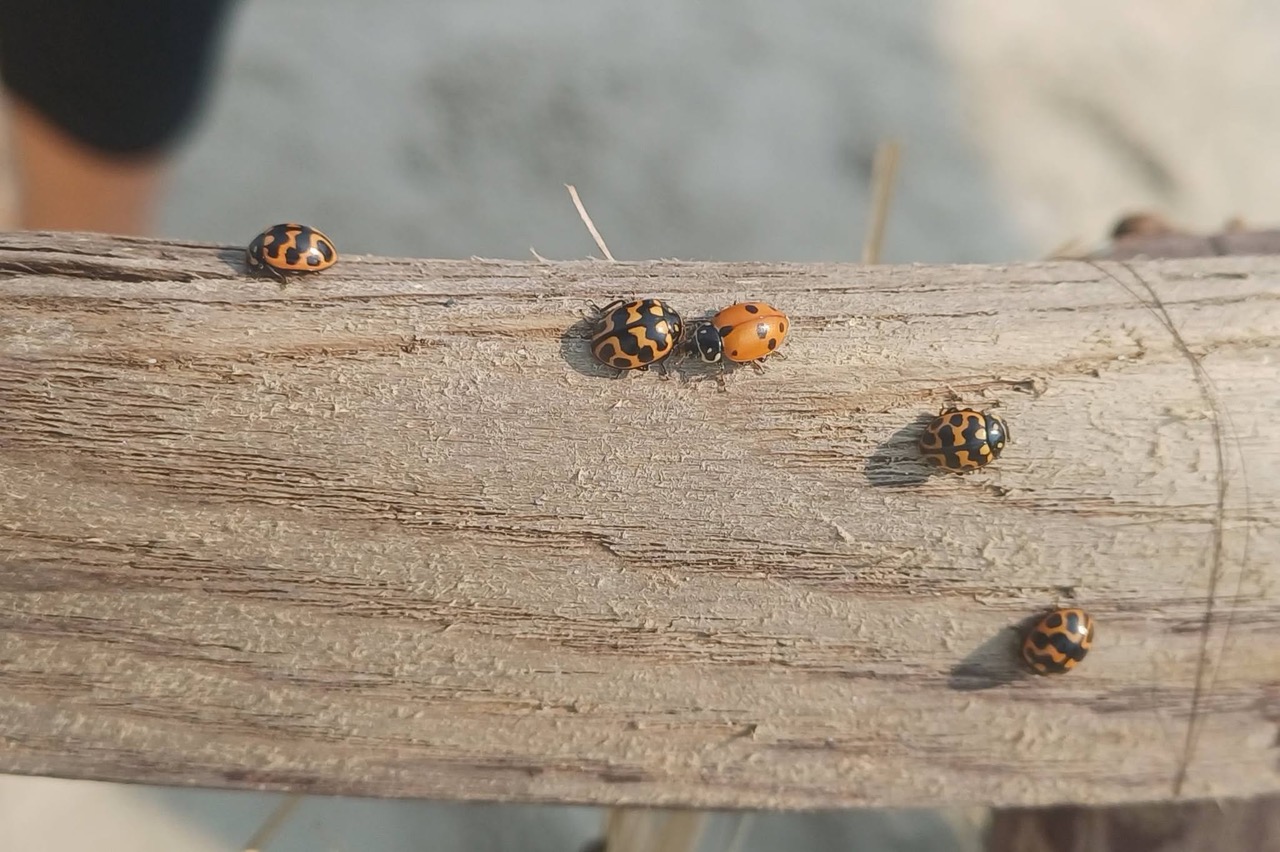
A local ecologist unpacks a curious polka-dotted natural phenomenon that unfolded in the Helderberg this past week.
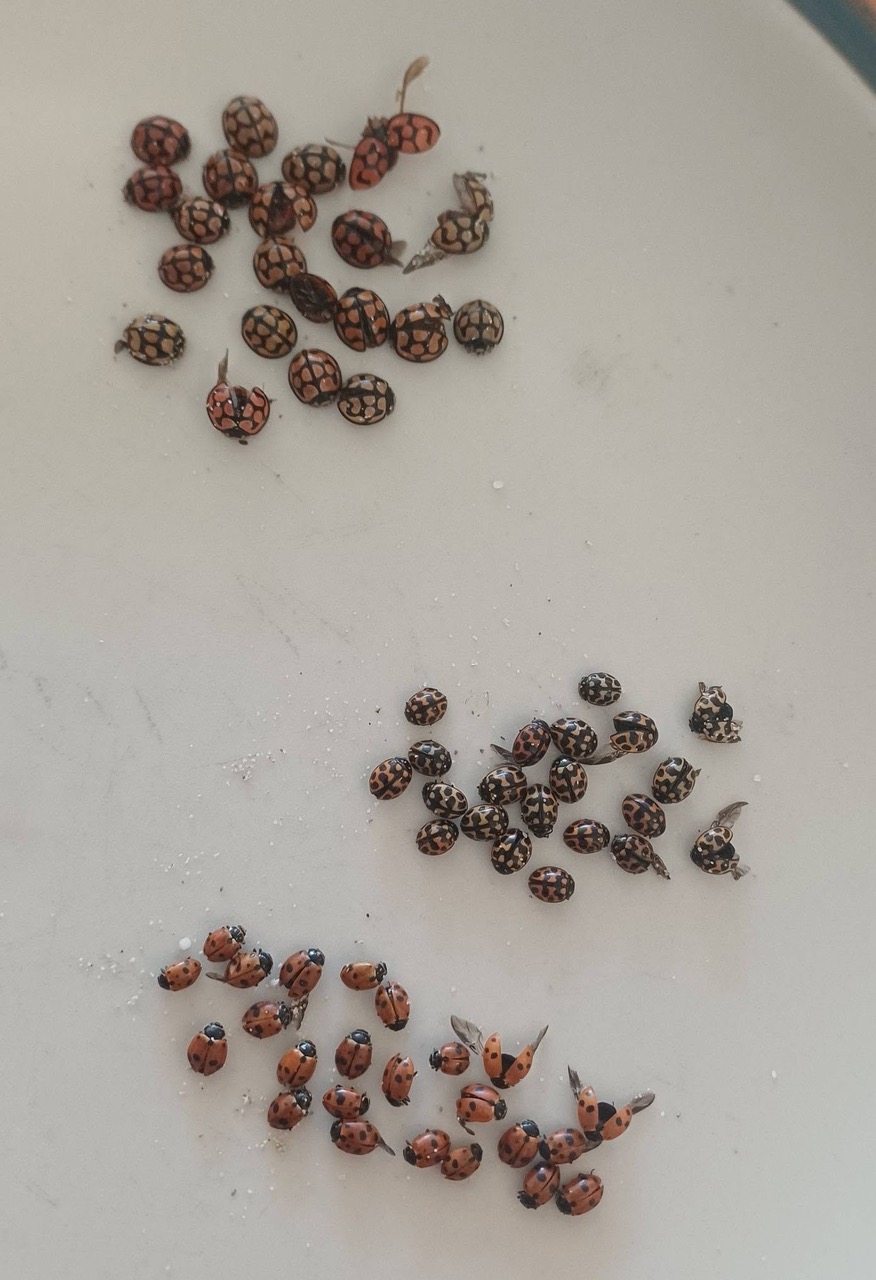
Helderberg, South Africa (01 October 2026) – Dr Silvia Mecenero spotted a fascinating sight along the tide line at Strand Beach this past weekend. Thousands of ladybugs!
Dr Silvia knows a thing or two about nature and its critters. She has spent 18 years in biodiversity conservation and a moth she studied was even named after her! She shared her sighting with the Helderberg Ocean Awareness Movement on Facebook – a group of locals working to give the beach back to nature through litter clean-ups and initiatives.
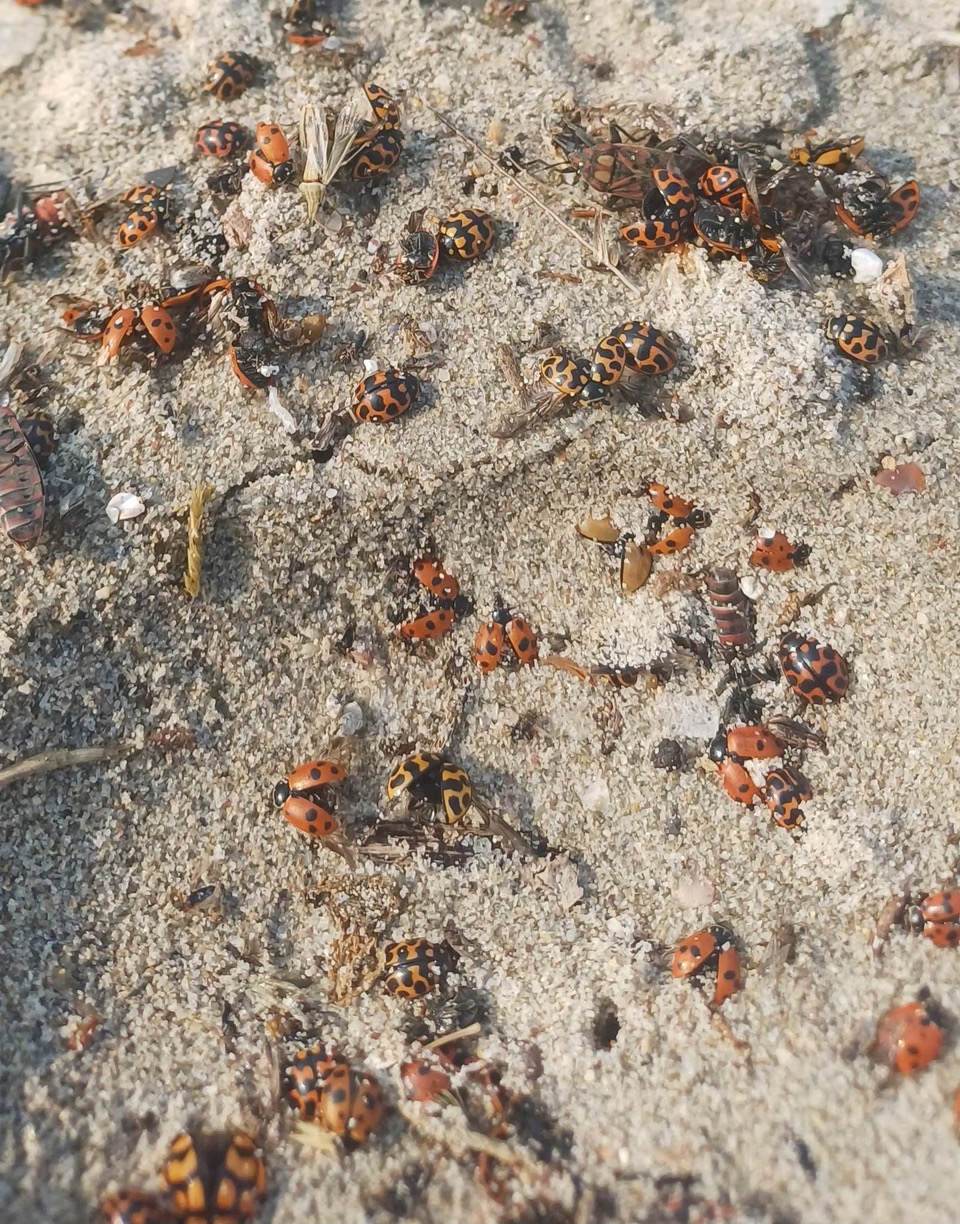
“Ladybird washups are a natural event where hundreds, thousands, or even millions of ladybugs end up along the shores of lakes and beaches. The largest on record happened in 1939 along 21 km of Egypt’s coast, with an estimated 4.5 billion ladybugs!” shares Dr Silvia.
Beetle experts identified three species in the Strand pile. Two are locals, and one exotic that has called South Africa home for nearly 60 years.
The Lioadalia flavomaculata, a common, indigenous species found throughout southern Africa. The Lunate Lady Beetle (Cheilomenes lunata) a common, indigenous species in South Africa. And the Variegated Lady Beetle (Hippodamia variegata), found in many countries around the world.
The big mystery is how a ladybug – or like, ten thousand of them – end up in the sea in the first place. One theory lends itself to the fact that they’re serious travellers and fly in big groups.
“Though the exact cause is uncertain, the leading theory is that big migratory flights, often at heights of 150 to 500 metres, get caught by sudden shifts in wind patterns or thermal air currents near the water. This can push swarms over open water and cause them to drop into the water.” Silvia shares.
Ladybugs migrate for many different reasons.
“There are a few reasons, including looking for new feeding grounds when local prey (food) like aphids run out or to escape cold temperatures. They use warm air currents and winds to carry them high into the air over long distances. They wait for warm, sunny days with the right breeze before they take off on their journey.” adds Silvia.
 Rescued Kite Gets a Special Send-Off and Field Officer Peter Has the Best View!
 Prof Elsabe Kearsley’s Innovation Can Turn Trash into Stronger, Sustainable City Spaces
Ladybugs are tough! They can float hours and often crawl out once they land. This past weekend, they landed in Strand. Hands up if you learned something interesting about bugs today!
 by
by