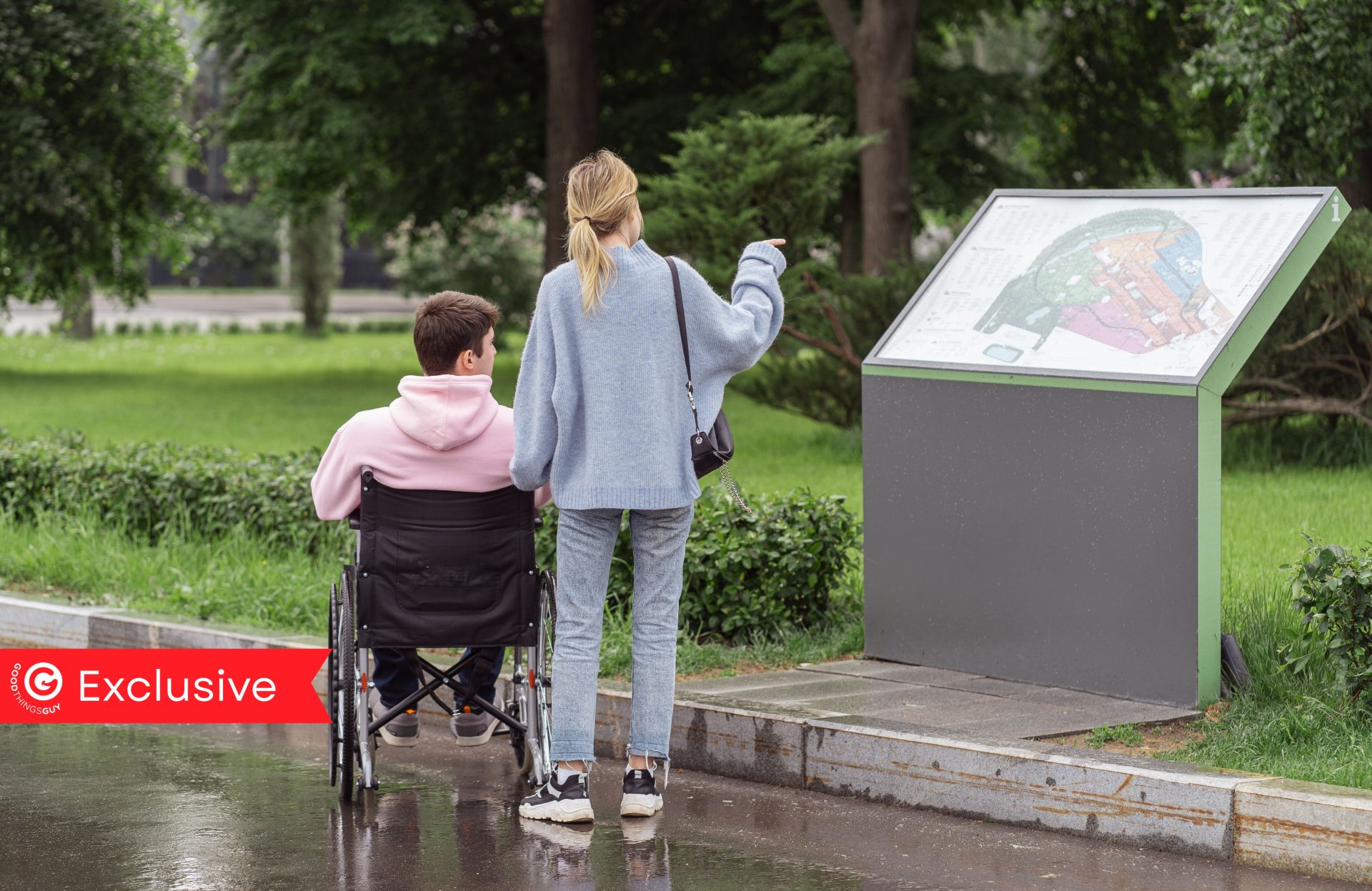
After spending 20 years navigating holiday accommodation challenges with her wheelchair-using husband, a Johannesburg woman has created a solution that could make travel easier for millions of South Africans.
Johannesburg, South Africa (11 October 2026) – For more than twenty years, Alisha Labuschagne and her husband have had to approach holidays a little differently. Her husband uses a power wheelchair, so before they can even think about booking accommodation, they need to find out whether the property will actually be accessible to him.
It is a process of researching, asking questions, requesting photographs and hoping the answers accurately reflect what awaits them when they arrive.
A hotel might advertise itself as wheelchair-friendly but what does that actually mean? Is the bathroom door wide enough? Can a wheelchair fit beside the bed? Is there a step at the entrance? Does the shower have a suitable seat? It’s not necessarily that accommodation providers are trying to mislead anyone, but accessibility means different things to different people, and without clear, independently verified information, travellers are often left guessing.
After two decades of navigating these challenges alongside her husband, Alisha knew there had to be a better way. Then, in September 2025, she was retrenched, and instead of waiting for someone else to create the solution she and her husband had always needed, she decided to build it herself.
And that is how Access Assured came to life.
The Johannesburg-based entrepreneur began developing an independent accessibility certification service for South African accommodation, designed to help travellers with mobility needs make informed decisions about where they stay. Instead of relying on a property describing itself as wheelchair-friendly, Access Assured uses a structured assessment process covering eight categories and 97 criteria, from parking bay widths and entrance ramps to bathroom layouts, toilet heights and shower seats. Accommodation providers complete a detailed digital assessment and submit photographs showing actual measurements, with a tape measure visible in the images. Alisha personally reviews the submitted evidence before issuing certification, and the information is used to create an Accessibility Fact Sheet for each certified room or unit. These fact sheets provide photographs, measurements and details about the facilities available, allowing travellers to decide whether a property will work for their individual needs before making a booking.
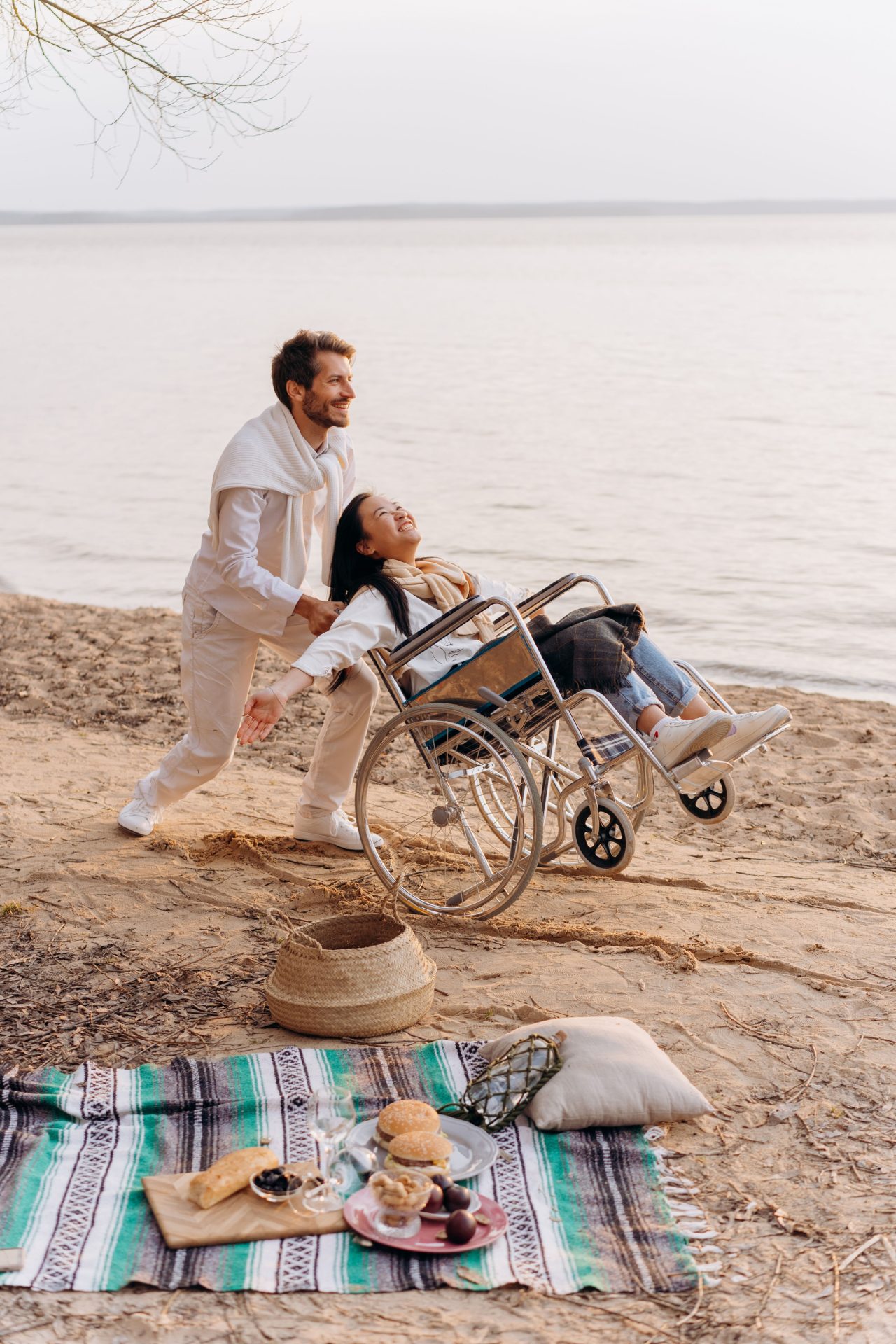
And Alisha has thought carefully about the fact that accessibility is not the same for everyone. Someone who uses a manual wheelchair may have different requirements from someone who uses a power wheelchair, while another traveller might need assistance with certain facilities but be completely independent in others.
Access Assured has developed three certification levels: Level A, called Go Solo, for accommodation meeting the requirements for independent access; Level B, Go Confident, for properties that are well configured but may have certain variations; and Level C, Go Informed, for accommodation meeting minimum criteria with its limitations clearly described. The intention isn’t to suggest every property will work for every person but to give travellers enough reliable information to decide for themselves.
Alisha believes wonderful holiday homes, guesthouses, and other properties across South Africa could already accommodate travellers with mobility needs but have never been recognised for it. In other cases, something as simple as a portable ramp or removable shower seat could make a meaningful difference, potentially opening up more accommodation options without requiring extensive renovations. And people are beginning to take notice. According to Alisha, Access Assured has received formal letters of support from the QuadPara Association of South Africa (QASA), the South African Disability Alliance (SADA) and the Muscular Dystrophy Foundation of South Africa.
Related Stories
 Meet the 20-Year-Old Helping South Africans Find Cheaper Food!
 Turning Pee into a Possibility! South African Engineer Up for R1 Million Prize!
Ari Seirlis, former CEO of QASA and a wheelchair user himself, described the initiative as “a critical level of independent verification that has been absent from the South African landscape”, calling the existing challenges around accessibility information “a matter of safety and dignity.”
For now, Access Assured is still in its early stages, and Alisha is building the business herself. Armed with her corporate experience and more than twenty years of personal knowledge, she is working to establish a service that she hopes will eventually benefit travellers across the country. Her ambitions also extend beyond accommodation, with a vision to eventually provide reliable accessibility information for restaurants, entertainment venues, schools and other everyday destinations.
“I want to build the bridge,” she says. “Between travellers who need trusted information and the places that are ready to welcome them… but don’t know it yet.”
Alisha is now inviting travellers to register their interest and accommodation owners to apply for certification as she works to grow Access Assured. Those who would like to learn more about the initiative, register as a traveller or explore certification for their property can visit www.accessassured.co.za.
 by
by