A South African engineer has found a brilliant way to turn “pee” into fertiliser… and his invention could now win him more than R1 million!
South Africa (29 September 2026) – Who would have thought that something we flush down the toilet could become an award-winning innovation? A South African engineer has developed an incredible system that could change the way we think about waste. Now, he’s in the running for one of Africa’s biggest engineering awards!
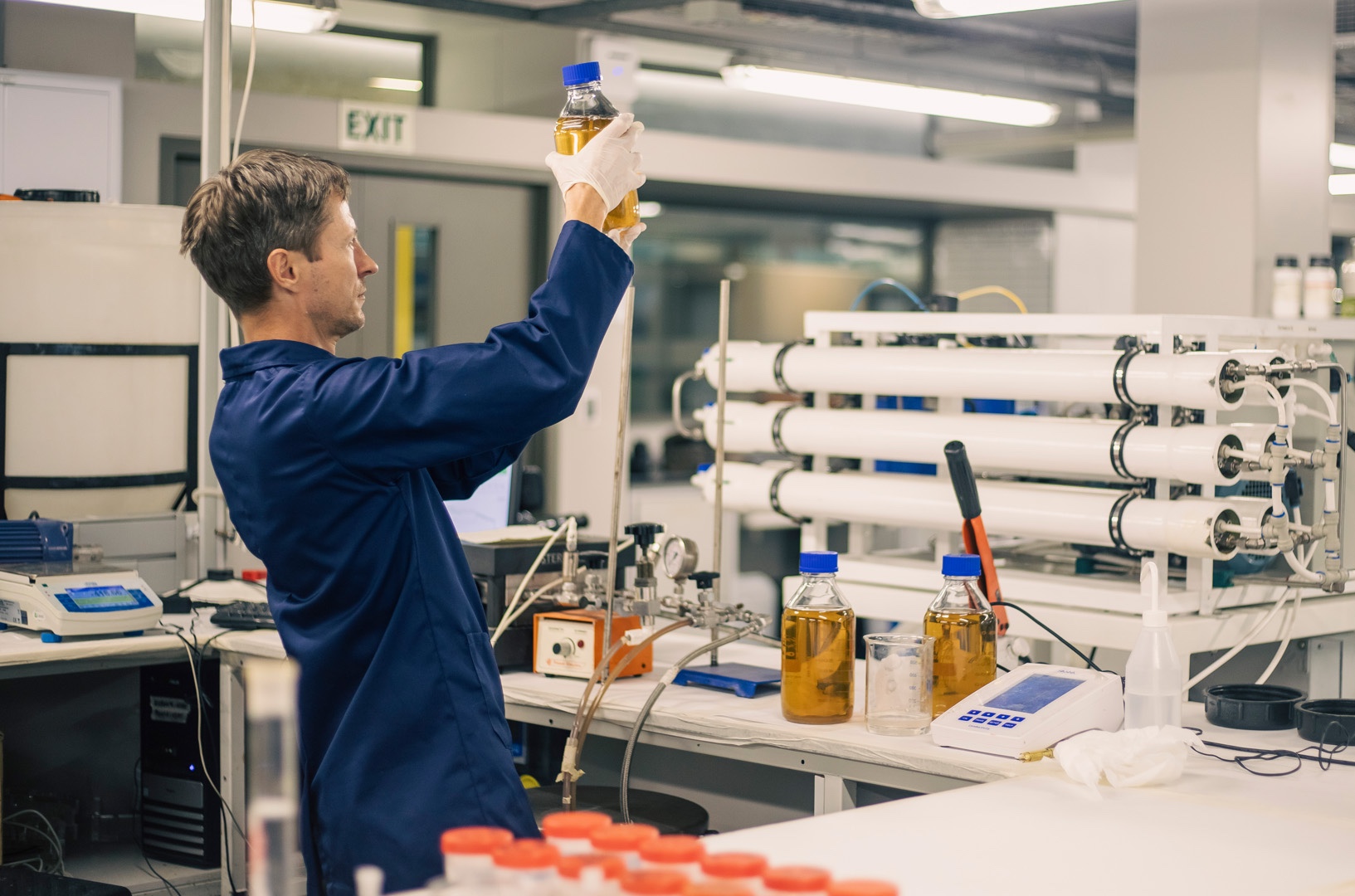
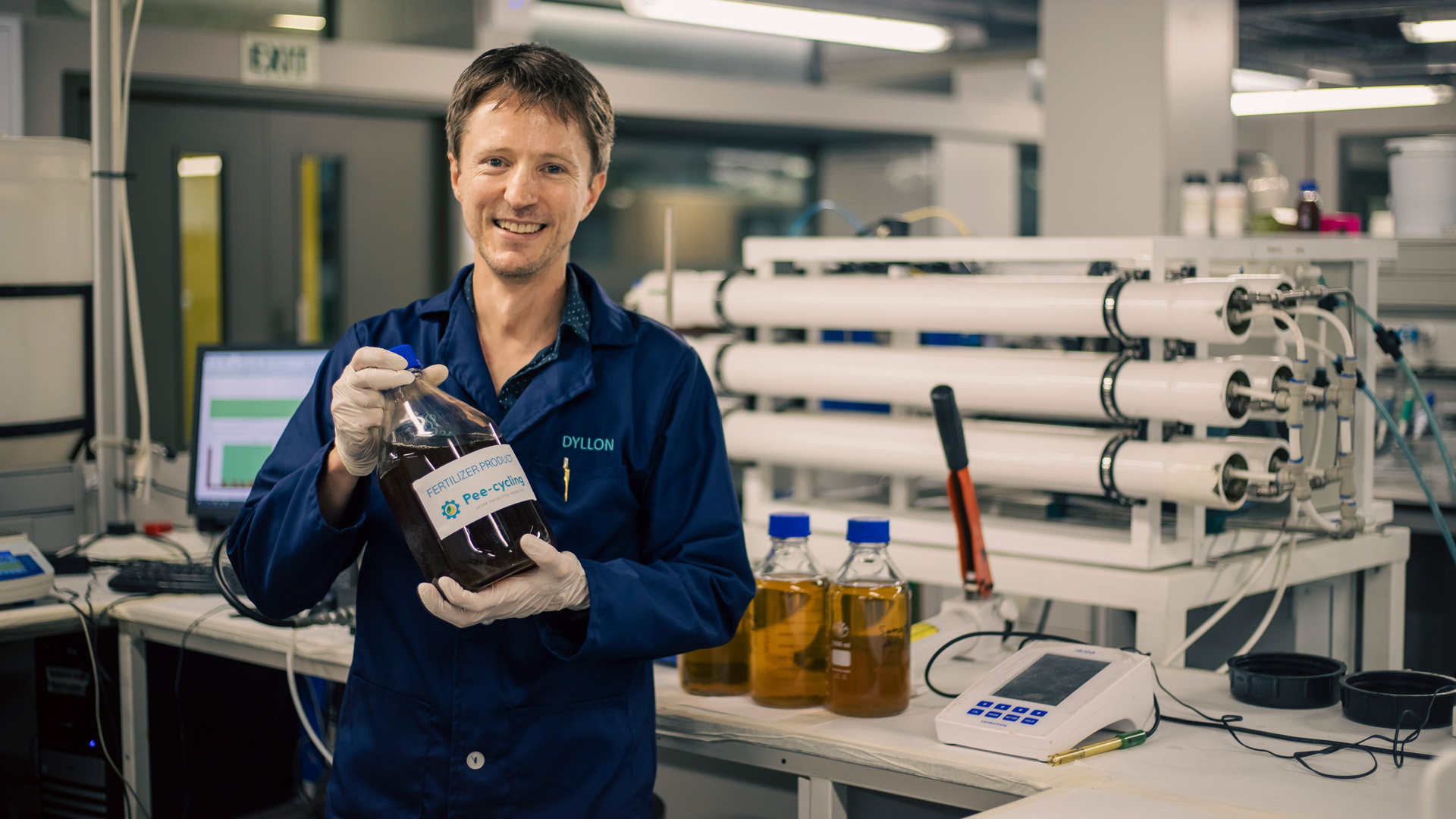
Dyllon Randall, a South African chemical engineer and co-founder of Pee-Cycling, has been named one of four finalists for the 2026 Africa Prize for Engineering Innovation. He’ll compete for the £50,000 (approximately R1.1 million) grand prize when the competition comes to Johannesburg on the 28th of October.
And his invention is already making a difference!
Pee-Cycling is a clever system that collects urine through specially designed waterless urinals and toilets before processing it into concentrated liquid fertiliser and clean, reusable water. Instead of allowing valuable nutrients to go to waste, the technology recovers them for agricultural use while reducing the need for imported fertiliser. And the environmental benefits are enormous. A full-scale Pee-Cycling unit can process up to 3,000 litres of urine every single day, and for every 1,000 litres processed, approximately 2,000 litres of drinking water can be saved. The system also uses significantly less energy than conventional evaporation-based alternatives. Dyllon and his team have already put their innovation to work at Cape Town Stadium, where their fully operational plant collected an astonishing 3,600 litres of urine during the South Africa versus New Zealand rugby match alone! Working with Bidvest Prestige and the City of Cape Town, Pee-Cycling has secured its first commercial client and has also won the 2026 FNF Afri GreenPitch Challenge.
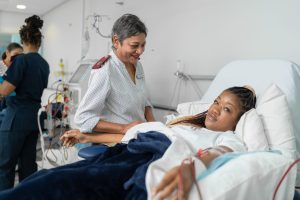
Dyllon is joined by three equally impressive African innovators, each tackling a different challenge. Kenya’s Naom Monari has developed Renal Roads, a mobile dialysis clinic built inside a repurposed shipping container that brings life-saving treatment to rural communities. Fellow Kenyan Dr Alice Muhuhu created MoyoECG, a portable AI-powered device that helps healthcare workers detect potential heart conditions in minutes. And Mamane Kabirou Ousseini has made history as the first engineer from Niger to participate in the competition. His innovation, Likita Care, is a locally manufactured medical monitoring system already used in five medical centres across his country.
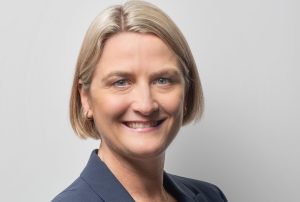
Rebecca Enonchong, Chair of the Africa Prize judging panel, says the finalists demonstrate what African engineering can achieve.
“Our four finalists should be incredibly proud to have reached this stage. Each of their innovations provides solutions to very different challenges but shows what is possible when engineering is shaped by a clear understanding of a given problem in its local context.”
The grand finale, hosted by South African rugby legend Bryan Habana, takes place at NH Johannesburg Sandton on the 28th of October. The winner will receive £50,000 (approximately R1.1 million), while the remaining three finalists will each walk away with £10,000 (R210,000).
Since launching in 2014, the Africa Prize has supported more than 180 businesses across 24 African countries, helping entrepreneurs turn brilliant ideas into practical solutions.
Related Stories
 A Global First for South Africa and Better Kidney Care
 “Thank You, Durban” Delfi Family Shares Emotional Update 2 Weeks After Fire!
And that’s what makes this story so exciting. Dyllon’s invention has already moved beyond an idea and into real-world operation. We’ll certainly be cheering him on in October, but regardless of who takes home the prize, these four innovators have already given Africa plenty to celebrate! And we think that’s a good thing!
 by
by