Did you know that South Africa is home to a whole menagerie of ‘leopards’ that aren’t big cats at all?
South Africa (15 October 2026) – The Cape Leopard Trust (CLT) shared a rather delightful ‘spot’ of information recently, which we thought was cool!
They’ve made the point that South Africa is actually full of ‘leopards’. Butterflies, moths, toads, tortoises, a lily, an orchid, even a few sea creatures have all been given the name for their mighty spots!
“From plants and insects to amphibians, reptiles and marine life, ‘leopards’ can be spotted across the tree of life – all named for their spotted resemblance to the iconic big cat.” the CLT shares.
The list is longer than you’d guess. In our beautiful and biodiverse country, we have two leopard butterflies (the African and the Eastern Blotched), plus a Leopard Moth, a Leopard Magpie Moth and a Leopard-Spotted Cicada. The Leopard Tortoise plods around on land, and both the Eastern and Western Leopard Toads are on it too. Even plants, like the Leopard Lily and the Leopard Orchid. And in the sea, you’ll find the Leopard Skate, Leopard Catshark, Leopard Flounder and the Marbled Leopard Moray Eel.
That’s a flip load of spots.
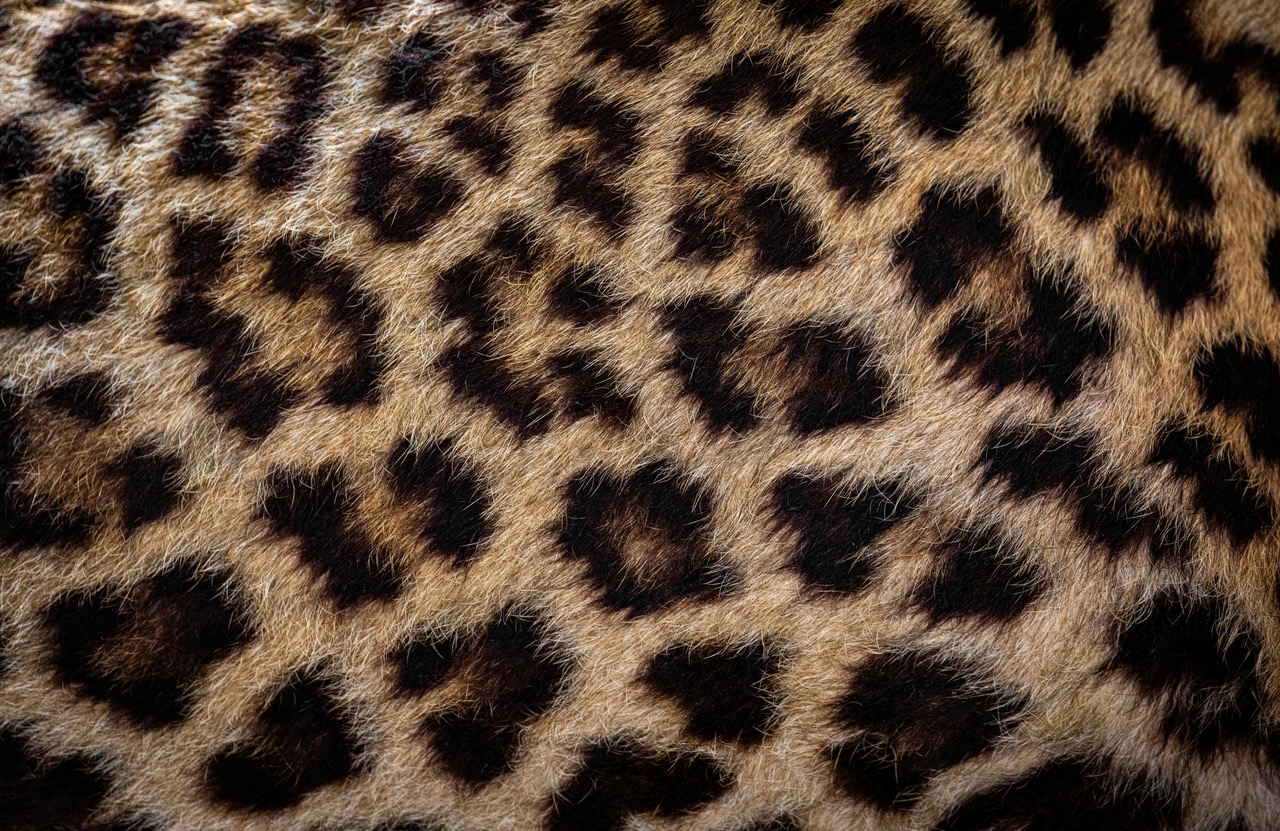
As pretty as they may be, they’re not just for looks. Many animals don their spots as camouflage – like a leopard lying in dappled shade or a flounder on a rocky seafloor!
The exact opposite is also true. Some species boast bold patterns so they can warn predators to back off by making themselves look more dangerous than they really are, or confuse whoever’s eyeing them up.
Spots can also be like a name tag. They help animals spot their own kind, and they can play a part in attracting a mate.
Even plants have spots for practical reasons. These patterns in pigmentation can help mottled leaves and spotted flowers cope with sunlight, put off animals that want to nibble them, or draw in pollinators.
Related Stories
 Dogs Found Safe But Hijacked Vehicle Still Missing – SPCA Still Needs Eyes and Ears!
  Terrifying Hijacking Hits Germiston Bedfordview SPCA – South Africa Can Help!
“Different species, different environments, different challenges, same solution: a spot-tacular adaptation to survive and thrive!” the CLT shares.
“At the Cape Leopard Trust, leopards (the feline kind) may be at the heart of what we do, but they are just one piece in South Africa’s intricate biodiversity puzzle. Conserving leopards means understanding and protecting all the creatures they share the landscape with. Conservation is about protecting the entire web of life – not just the iconic species”
The trust has created a lovely piece of artwork that ‘spot’-lights all the leopards of South Africa! How many of them do you know about?
 by
by