As South Africa marks 16 Days of Activism for No Violence Against Women and Children, Heartlines Fathers Matter is calling on fathers and male role models to become a positive, protective presence in children’s lives – because preventing violence requires more than telling children what is right or wrong.
Johannesburg, South Africa (25 November 2026) – What you do and say around a young child shapes them in ways that run deeper than most adults realise.
“He hits my mother and threatens to do the same to me when I ask why he hits my mother.”
These are the devastating words of a girl aged between 10 and 12 from Orange Farm, Gauteng, who participated in formative research conducted by Heartlines, Fathers Matter: Amplifying children’s voices about fatherhood.
As South Africa marks 16 Days of Activism for No Violence Against Women and Children, Heartlines Fathers Matter is launching its #TalkToAChild campaign, encouraging adults to listen more closely to what children are saying about violence, gender, masculinity, power and relationships.
The organisation is particularly asking fathers and male role models to consider what their actions are saying to the children in their lives.
Running from 25 November to 10 December, the campaign will share real quotes from children who participated in its research, inviting adults to consider a simple question: “What would you say to this child?”
What you say matters
For some children, the men who should make them feel safest are the very people they fear.
According to Lereko Mfono, Project Coordinator for Fathers Matter, we frequently encourage children to speak up about violence and abuse. But while we teach them to recognise danger and seek help, we often overlook that the first line of defence against violence begins with the presence of a caring, involved father or father figure.
“Unfortunately, many families are trapped in cycles of violence,” he says. “The words that fathers and men speak can be the start of breaking those cycles.”
 Christmas Shopping With a Purpose: Every Purchase Helps Midrand SPCA
 New School Shoes Bring a Extra Joy to Children in the Eastern Cape
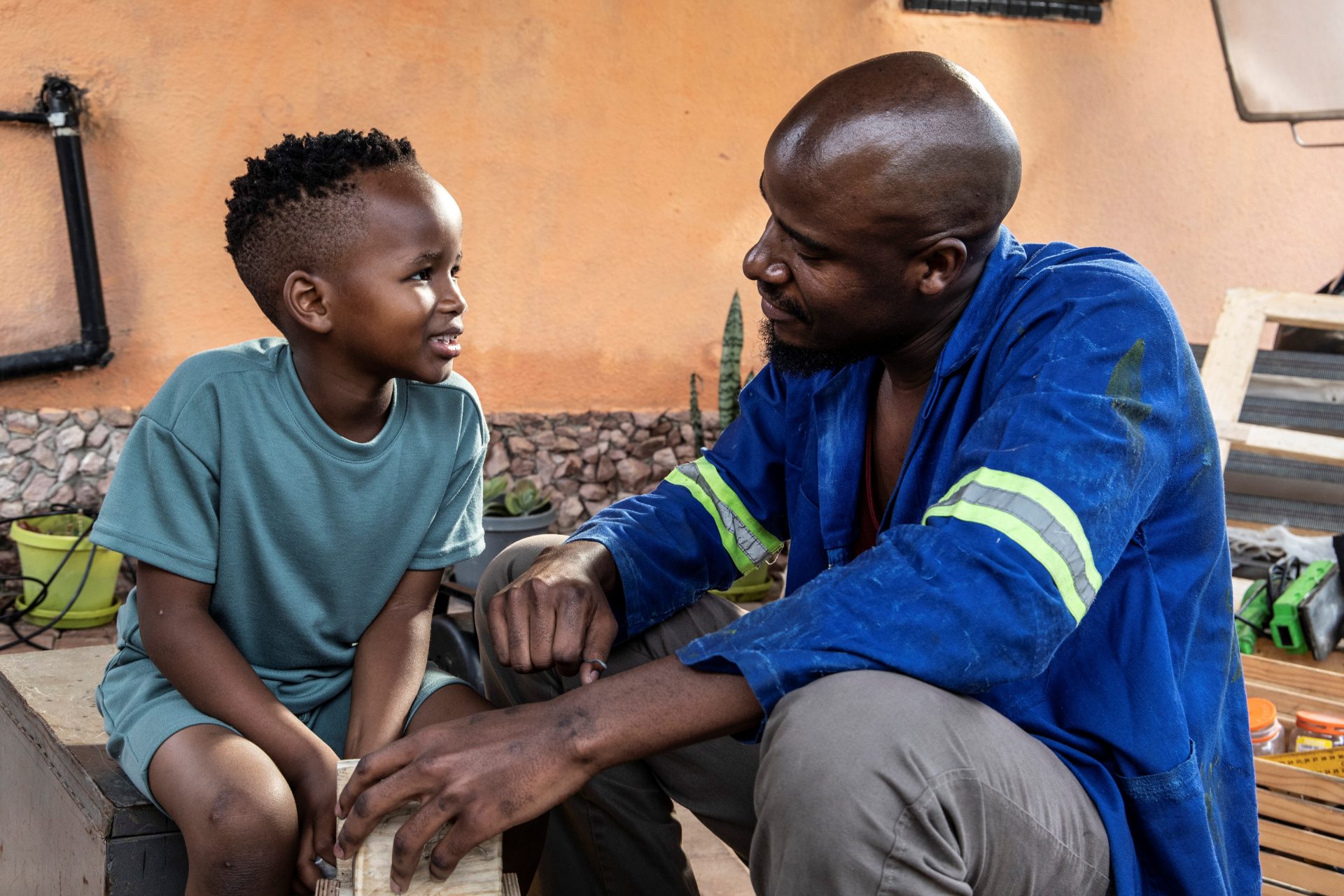
Mfono says one way to break these cycles is for fathers and father figures to create a safe space for children.
“So often men are portrayed as the perpetrators of violence. Fathers Matter encourages us to imagine a country where men are a safe, protective presence in the lives of children,” Mfono says.
Counselling psychologist and educator Marlon Botha says how an adult responds when a child shares a vulnerability can make an enormous difference.
“When your child tells you something frightening, your first few seconds matter most. Take a breath, kneel to their level, and simply listen,” he says.
Even when adults feel shocked, frightened or angry, Botha says it is important to remain calm. A strong emotional reaction can cause children to withdraw, particularly if they fear upsetting someone they trust.
Sometimes, what children believe is as important as what they disclose
Not every conversation about violence begins with a disclosure of harm. Sometimes, children reveal what they are learning about relationships through seemingly ordinary comments.
These conversations create opportunities to challenge harmful assumptions before they become entrenched. Equally important is the example adults set through their own behaviour, including how they manage anger, express emotions and treat others.
Botha offers some suggestions:
“I often hear from parents that their sons say boys don’t cry. Here’s what I’d try. Don’t lecture; get curious. Kneel down and ask, ‘Who told you that? What do you think crying is for?’ Then offer a simple truth: ‘Crying is how our bodies let big feelings out. Brave people cry, and strong dads do too.’ Share your own feelings out loud, like ‘I felt sad today, so I took a breath,’ because children copy what we do far more than what we say.”
Fathers Matter encourages parents and caregivers to handle anger and disagreement without aggression, threats or intimidation, in addition to being reliable and involved, whether that’s keeping promises, taking an interest in children’s activities or making time for everyday conversations.
What children are learning about violence
The Heartlines report reveals troubling insights into how South African children experience and understand violence, fatherhood and relationships. One boy aged between 10 and 12 in Limpopo observed:
“When men are angry, they beat people up or go and drink at the tavern.”
Such statements illustrate how children’s understanding of masculinity and relationships can be shaped by what they witness around them, says Mfono.
They also highlight the importance of positive male role models. Fathers, grandfathers, uncles, teachers and other trusted men can demonstrate that strength does not require aggression or control, and that respect, kindness and emotional openness are not signs of weakness.
Learning how to talk to a child
The #TalkToAChild campaign will offer possible responses to real-world comments from children, as well as resources to help fathers, father figures, parents, caregivers and educators have more constructive conversations about violence, gender, power and relationships.
Botha explains that preventing violence requires more than telling children what is right or wrong. It starts with fathers and men showing up as protectors and defenders of children. It also requires adults who are willing to listen, take children’s experiences seriously, challenge harmful beliefs and act when children need protection.
He adds that encouraging children to speak up is only meaningful if there is someone prepared to listen and help.
To participate in #TalkToAChild and access supporting resources, visit www.fathersmatter.org.za or connect with the Fathers Matter WhatsApp Coach by sending “Hi” to 060 058 2107.
Sources: Supplied
Don’t ever miss the Good Things. Download the Good Things Guy App now on Apple or Google.
Do you have something to add to this story? Please share it in the comments or follow GoodThingsGuy on Facebook and Twitter to keep up to date with good news as it happens, or share your good news with us by clicking here or click the link below to listen to the Good Things Guy Podcast with Brent Lindeque – South Africa’s very own Good Things Guy. He’s on a mission to change what the world pays attention to, and he truly believes there’s good news around us. In the Good Things Guy podcast, you’ll meet these everyday heroes and hear their incredible stories:
Or catch an episode of Good Things with Brent Lindeque or our Weekly Top 5 below. The videos here are always changing, updated with the latest episodes from these two shows. Both are part of Good Things TV, created to bring South Africans balance at a time when the news can feel overwhelmingly negative. Our goal is simple: to remind you that there are still so many good things happening in our country – and to leave you feeling a little more proudly South African.
 by