From accessible transport and education to employment opportunities, meaningful inclusion requires a commitment from government, businesses and society.
South Africa (25 November 2026) – What would it take to build a South Africa where a person’s disability does not determine the opportunities available to them? According to this Disability Rights Awareness Month opinion piece, the answer starts with moving beyond promises and taking meaningful action.
The author, Ari Seirlis, argues that disability inclusion should never be treated as charity or simply a box to tick to meet legislative requirements. It is fundamentally about human rights, equal opportunities and economic participation.
One of the biggest areas requiring attention is education. Many schools remain ill-equipped to accommodate learners with disabilities, while shortages of specialist teachers, accessible learning materials and assistive technology continue to create barriers.
Seirlis believes inclusive education must start in the classroom, with better resources, trained educators and appropriate support to ensure that learners with disabilities can develop the skills needed to participate in society.
Transport and infrastructure are another major concern. Even qualified individuals can struggle to access employment when public transport, buildings and public spaces are not designed with their needs in mind.
View this post on Instagram
The piece calls for stronger enforcement of accessibility standards, including the provision of accessible buses, improved rail services and better facilities in existing buildings.
Related Stories
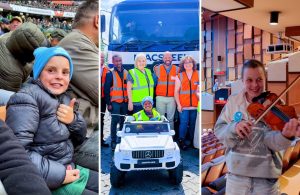
 Violins, Springboks, and Big Trucks: 3 Young Warriors Have Their Wildest Dreams Come True
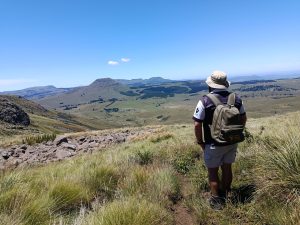
 60-Year-Old Hiker Rescued After Fellow Hikers Make Life-Saving Call!
Employment and economic empowerment also feature prominently. People with disabilities continue to face workplace discrimination, inaccessible recruitment processes and limited opportunities for career advancement.
Rather than simply identifying the challenges, the article proposes five priorities: accessible infrastructure and transport, meaningful employment, support for disability-owned businesses, education linked to economic opportunities and stronger accountability from both government and the private sector.
Looking ahead, the author raises another important consideration: greater political representation for people with disabilities, including the possibility of a stronger collective political voice.
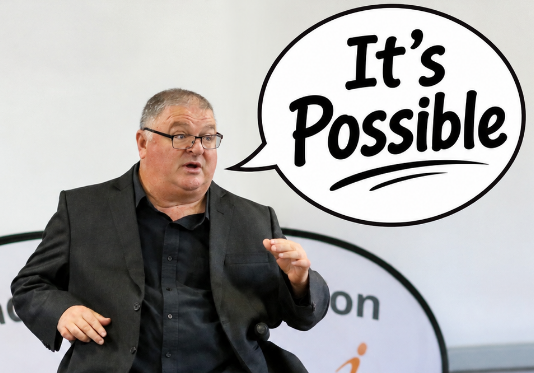
As the author puts it, “IT’S POSSIBLE.”
 by