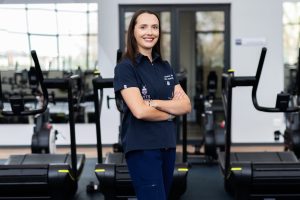
Fawn Rogers was born with Cystic Fibrosis and survived a double lung transplant… now the incredible organ donation advocate is opening up about living with Diabetes, and how important it is for us all to be aware of this “invisible illness”.
Johannesburg, South Africa (15 November 2020) – World Diabetes Day was on the 14th of November and the TELL foundation used the day to raise awareness around this “invisible illness’ that affects many South Africans.
We sat down with Fawn Rogers – one of the Founders and Marketing Director of TELL – to chat about what it is like living with Diabetes and how technology has evolved to help manage the illness.
Rogers developed Type 1 diabetes as a result of her genetic disease, Cystic Fibrosis. She started injecting herself with insulin at the age of 16 and her diabetes has become progressively worse through the years. After having a double lung transplant in 2013, Fawn was put onto a new regime of daily medications, including cortisone which has aggravated her diabetes status further.
What is Diabetes
There are two main types of diabetes: type 1 and type 2. Both types of diabetes are chronic diseases that affect the way your pancreas regulates blood sugar or glucose. Both types of diabetes can lead to chronically high blood sugar levels which increases the risk of diabetes complications.
- People with type 1 diabetes don’t produce insulin.
- People with type 2 diabetes have insulin resistance which means their bodies don’t respond to insulin as well as they should and later on they don’t make enough insulin.
In South Africa, there is a growing number of people with type 2 diabetes and this is driven by a combination of socioeconomic, demographic, environmental and genetic factors. Insufficient physical exercise leading to an increased level of obesity is also to blame. Type 2 diabetes can be prevented with a healthy lifestyle which includes a balanced diet and a basic understanding of how different food groups affect our glucose levels. Early diagnosis and access to healthcare for all types of diabetes could prevent or reduce serious diabetes complications. Diabetes places a huge burden on the South African health system where diabetes causes about 8000 new cases of blindness and 2000 new cases of amputations annually.
A pancreas transplant can be done to treat type 1 diabetes but it is reserved as a last resort for those with serious complications of diabetes because the side effects of a transplant can be significant. In some cases, a pancreas transplant is done in conjunction with a kidney transplant in people whose kidneys have been damaged by diabetes.
Facts
Diabetes is the second most common cause of death in the country, according to the 2016 statistics. 87% of diabetes cases in South Africa were attributed to excess body weight according to 2000 statistics. An estimated 2-million South Africans do not know they have diabetes, according to the IDF (International Diabetes Federation).
If you want to assess your risk of developing type 2 diabetes, click here for a risk assessment test.
Treatment
Rogers now uses a device called Dexcom which consists of a small needle that is inserted every 10 days and stays in her arm to monitor her glucose levels at all time.
Related Stories
 School Choir Sings Spellbinding Signo di Volare to Raise Funds for 'Olympics!'
 Mama Rittah’s Vision for Her Under-Resourced ECD Inspires Midmar Community Support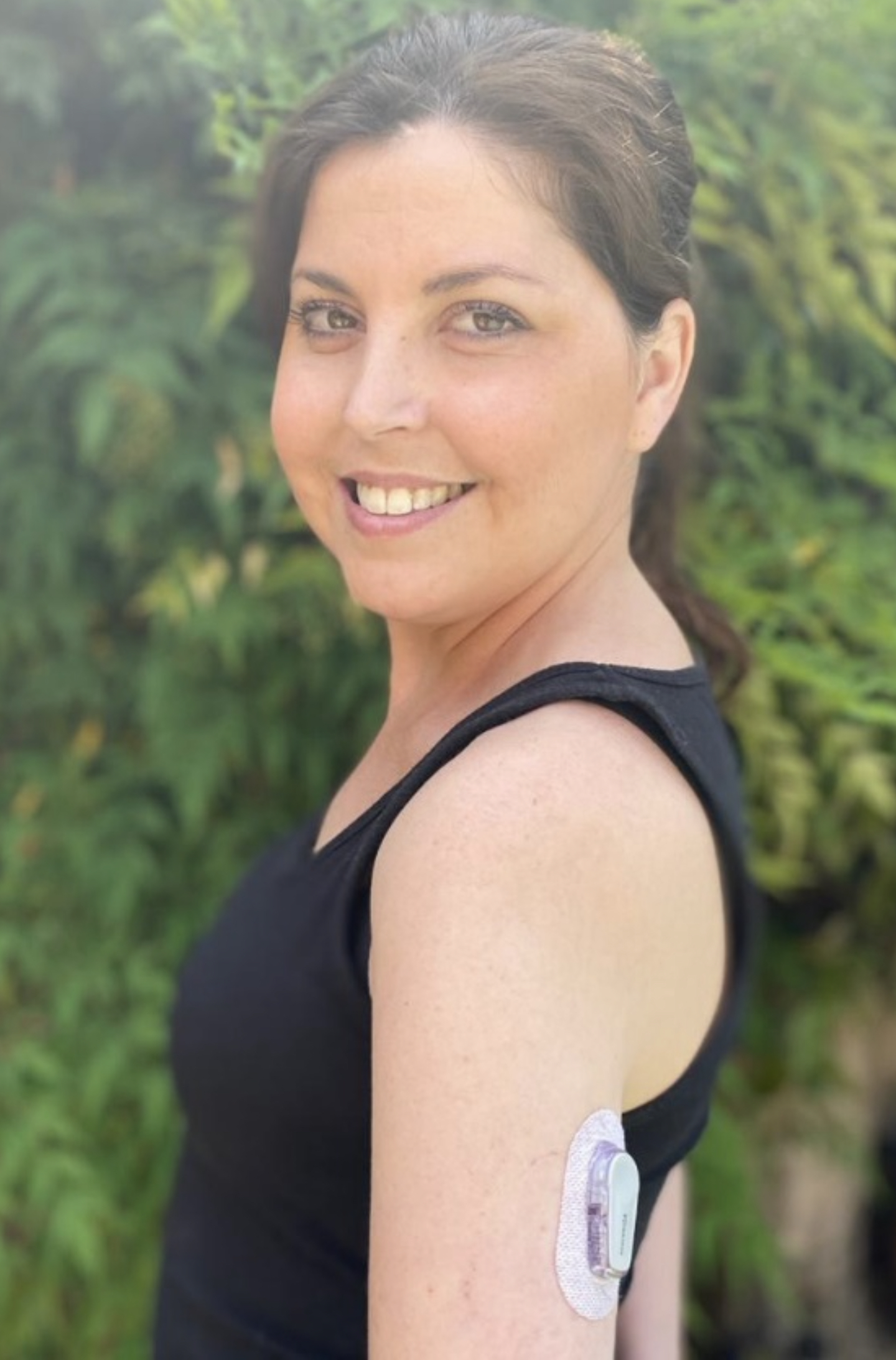
The Dexcom sends the readings of her glucose levels to her phone via Bluetooth which allows Rogers to better control her diabetes.
Financial Costs:
- Dexcom 10day sensors = R4000pm
- Transmitter every 3 months = R1400
- Insulins (3 different kinds) = R1000
- Specialist checkups and test every 3 months = R1280
- The cost of choosing healthier food options…
Emotional Costs:
- Feeling like a human pincushion
- Scar tissue and bruises
- Visible medical device
- Being judged for everything you eat
- Stress of diabetes complications
- Severe lows which make you feel ill for the rest of the day
- Having to be aware of your glucose levels with every decision you make
- Feeling like a burden when people have to take your dietary requirements into consideration
It’s thanks to these advancements in diabetes treatments that allow patients like Rogers to manage her diabetes more efficiently. However, awareness of this disease is critical as not everyone can afford these treatments and South Africa now has the highest proportion of adult diabetics in Africa and the highest number of deaths.
Watch her interview on “Die Groot Ontbyt” on World Diabetes Day:
 by
by