They battled one of the Western Cape’s worst wildfire seasons with bravery – the recognition these heroes received this week is well-deserved!
Velddrif, Western Cape (06 August 2026) – This year brought one of the Western Cape’s most demanding wildfire seasons to date. The heroes who tirelessly spent months protecting communities, infrastructure and some of the Cape’s most treasured biodiversity were given special recognition this week.
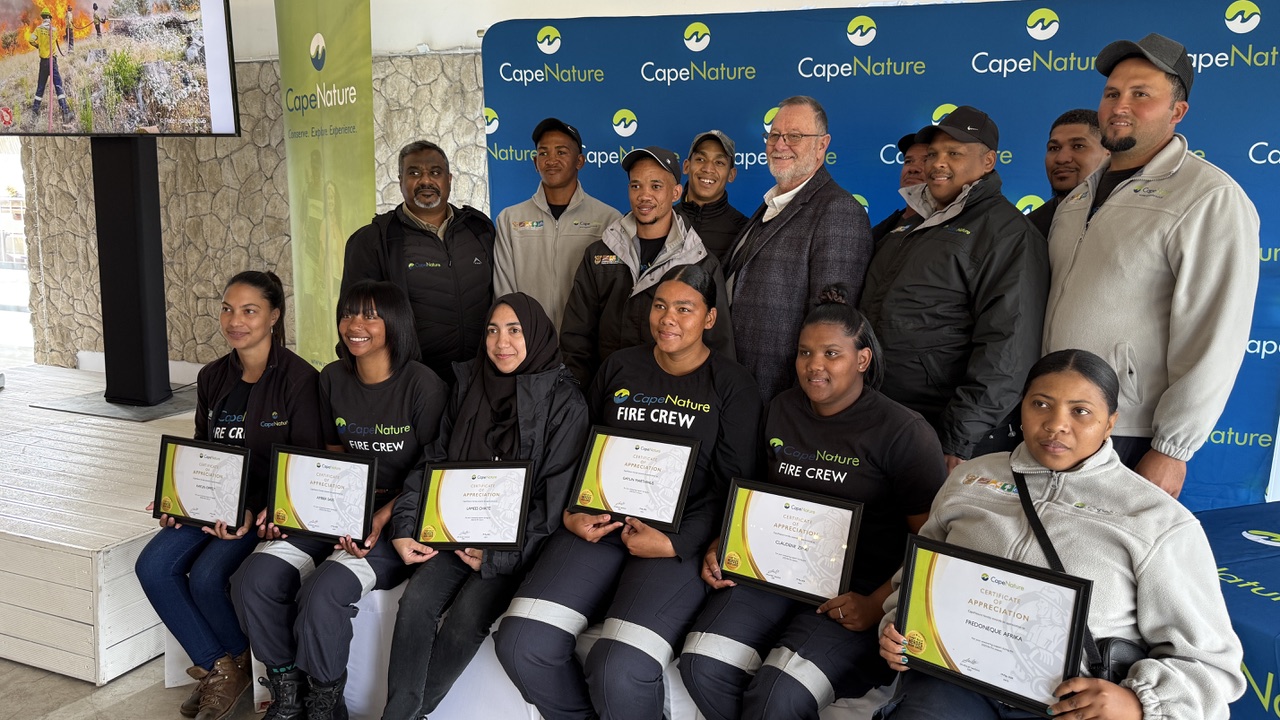
CapeNature hosted an appreciation event in Velddrif to honour a representative group of field rangers and firefighters who served on the front lines throughout the 2025/26 fire season.
“The reality is that firefighting is one of the most physically demanding occupations imaginable…” said Western Cape Minister for Local Government, Environmental Affairs and Development Planning Anton Bredell. “Thank you for your professionalism. Thank you for your courage. Thank you for the sacrifices your families make alongside you. And thank you for protecting the extraordinary natural heritage that belongs to every resident of the Western Cape. You represent the very best of the public service…”
A small group attended the event, but the recognition was shared on behalf of the many firefighters and field rangers who answered the call across the province, when wildfires swept through mountains, nature reserves and communities.
The Western Cape’s fire season typically runs from October to April, but it got off to an early and demanding start this year, with 35 fires recorded during spring before the Cederberg Wilderness Area experienced its largest wildfire since 1997.
About 53,310 hectares were burned, affecting three-quarters of the reserve. Large fires in the Paarl, Franschhoek and Jonkershoek areas followed in January, with another 33,719 hectares lost and the historic Chamonix Hotel destroyed.
By the end of the season, CapeNature alone had responded to 107 wildfire incidents, with almost 216,000 hectares burned across the province.
Despite the scale of the challenge, firefighters continued working in extreme heat, often carrying heavy equipment on challenging terrain for hours at a time to protect lives, homes and biodiversity.
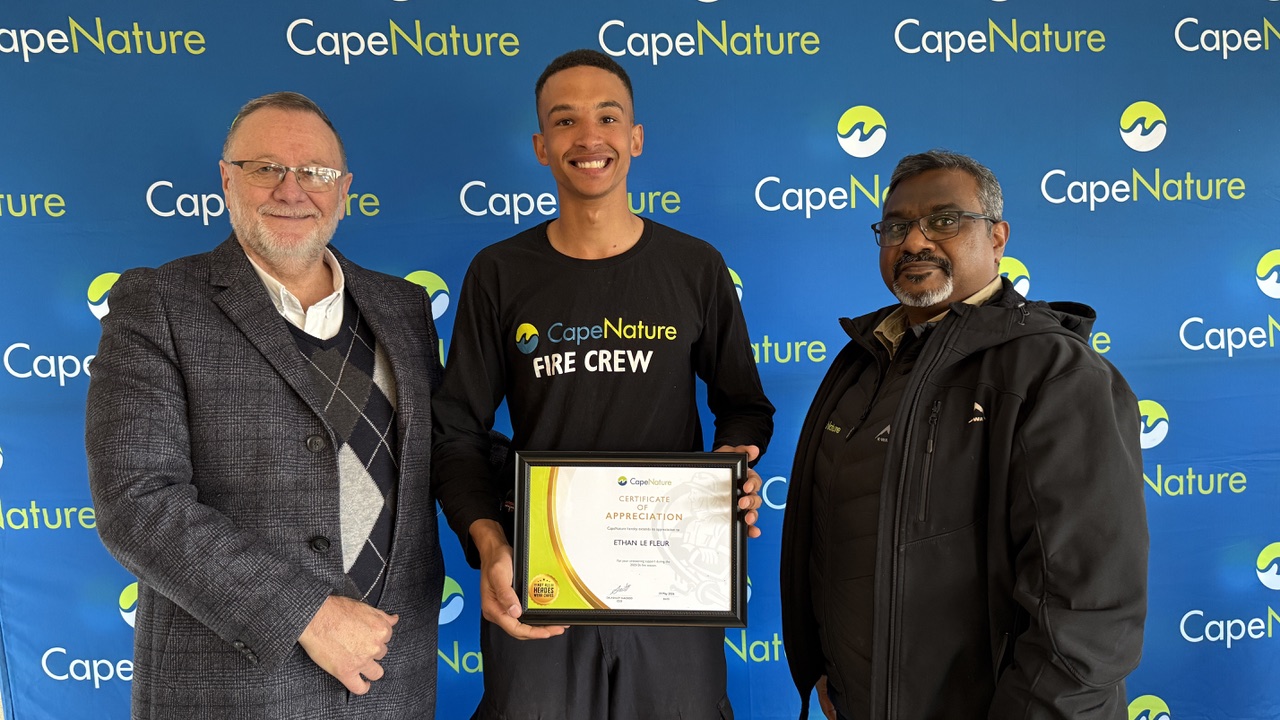
“A fire that looked contained could suddenly shift with the wind and escalate quickly,” said CapeNature Field Ranger and firefighter Ethan le Fleur. “You are exhausted, but you keep going because people are depending on you, your team, communities, and the landscapes we protect.”
 They Made It! Young Animal Welfare Volunteers Off to Cape Town
 This Dog Saw Humanity at Its Cruellest – Then Came a Little Girl With R15
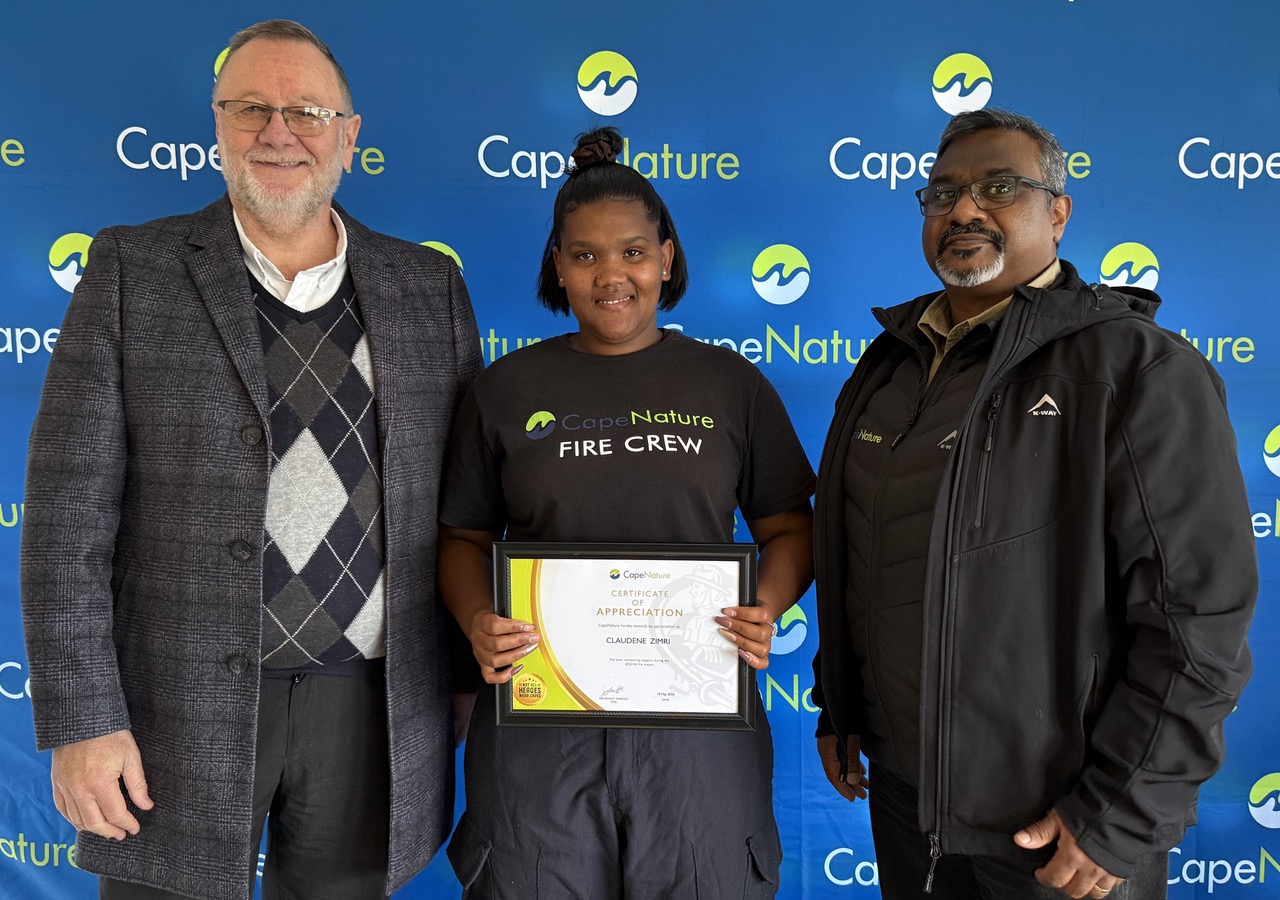
CapeNature firefighter Claudene Zimri said the brave work of being a real-life hero is as emotionally demanding as it is physically challenging.
“The physical and emotional demands are intense, but so is the motivation to keep protecting lives and the environment,” she said. “What stands out is how different organisations work together. That support makes the hardest days manageable.”
The appreciation event also recognised the many organisations beyond its own that worked alongside CapeNature throughout the fire season, including municipalities, Working on Fire, volunteer groups, fire protection associations, private landowners and disaster management teams.
 by
by