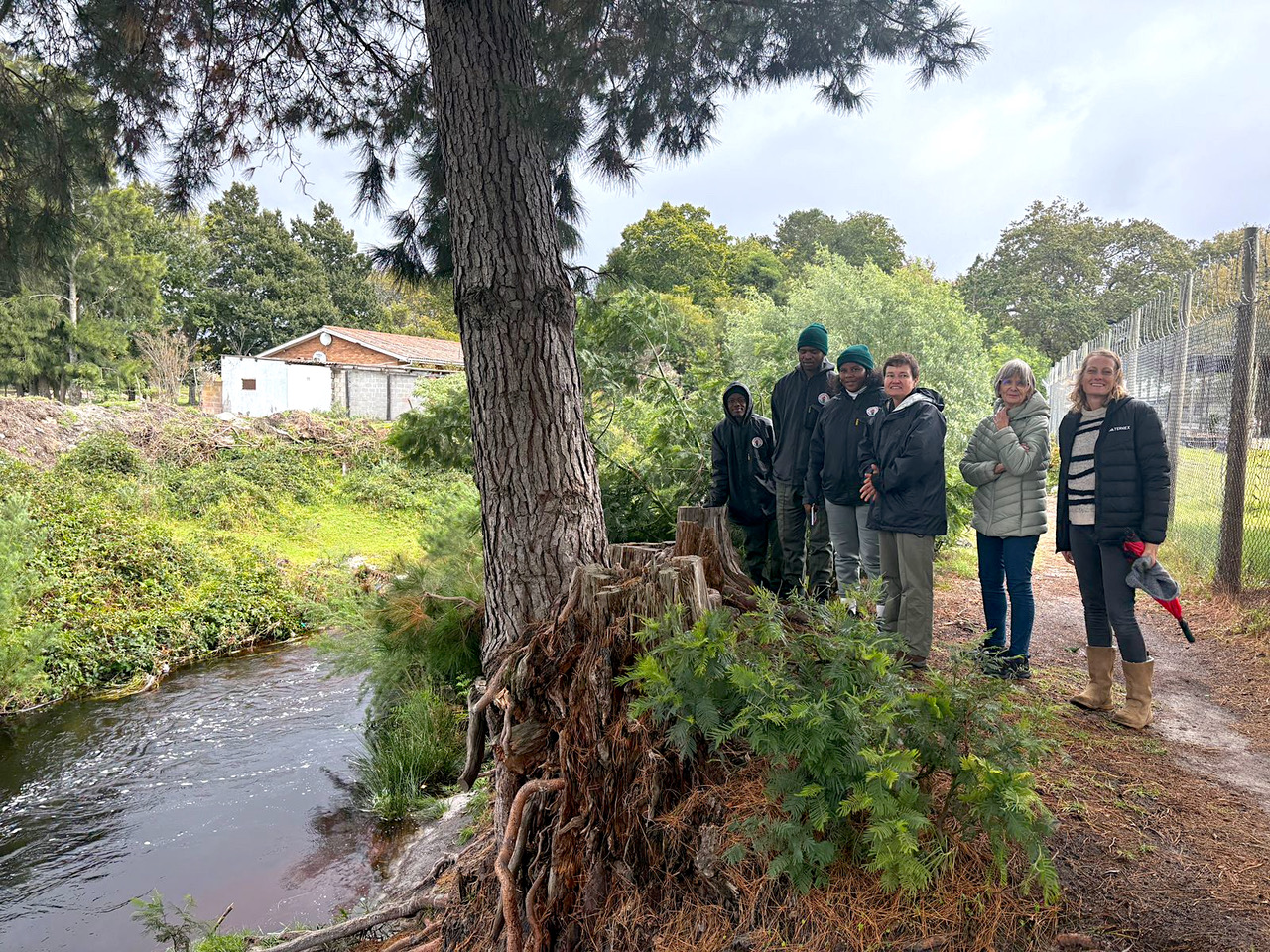
By putting science into the hands of community members who are working together, this initiative is laying the groundwork for cleaner rivers and healthier ecosystems!
Western Cape, South Africa (30 June 2026) – Protecting the environment starts with understanding it first! A new citizen science project in Grabouw is combining local knowledge with scientific research to make a positive environmental difference.
Community members are helping build a clearer picture of how pollution is affecting the town’s rivers and what can actually be done about it.
The project, led by the Kogelberg Biosphere with support from UNESCO and a range of partners, is the first initiative of its kind in the area. Its goal is to create an evidence-based baseline of river pollution while giving residents the opportunity to play an active role in caring for the waterways they use and depend on.
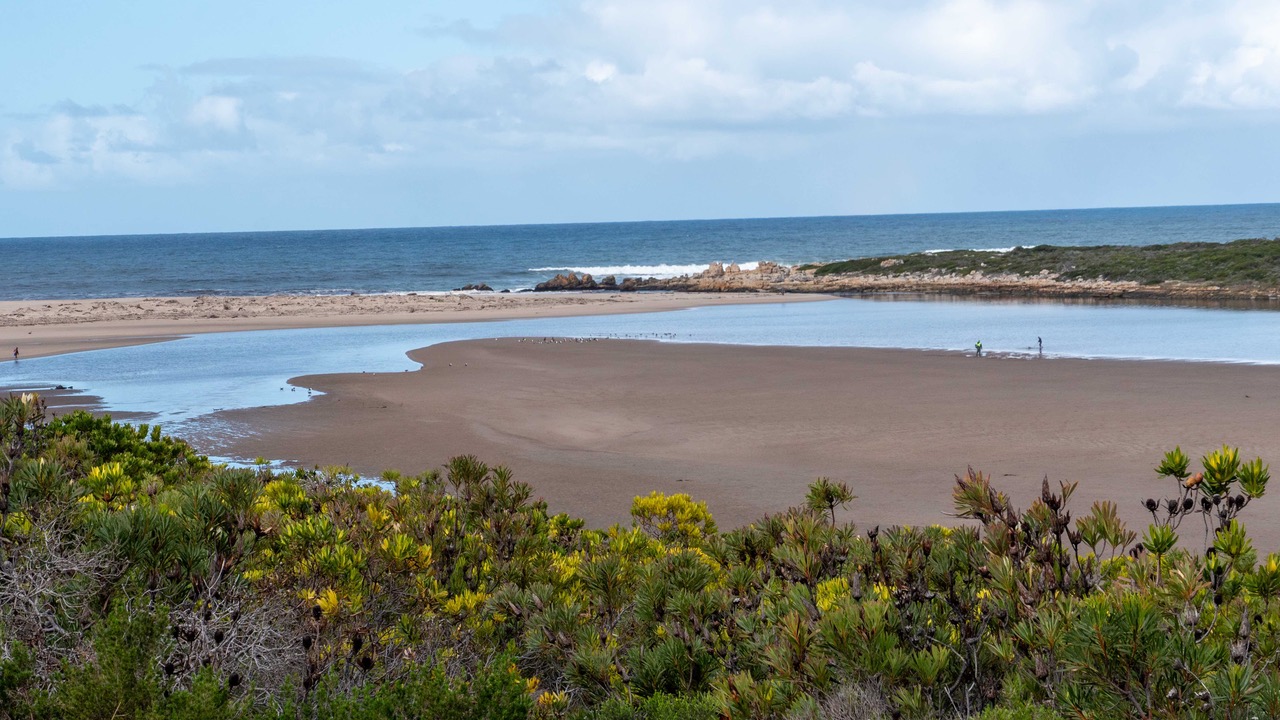
Community members, working as citizen scientists under the guidance of Project Coordinator Nomfusi Msitho, are mapping illegal dumping sites, monitoring water quality and recording the types of litter found in and around rivers. The information they collect will help identify pollution hotspots and guide future clean-up efforts and long-term solutions.
The team is also using the South African Scoring System (SASS5), which measures the health of rivers by looking at the insects and other small aquatic creatures living in the water. Because many of these species are sensitive to pollution, they provide clues about the condition of a river.
The project is still in its early stages, but it has already uncovered important information!
In its first month, the citizen scientists identified 13 illegal dumping sites across Grabouw. The largest covered almost 400 square metres, and the most common waste included nappies and other sanitary waste, construction rubble and food waste.

At three river monitoring sites, the team collected almost 5000 pieces of litter weighing a combined 65 kilograms. Polystyrene, chip and sweet wrappers, and plastic bags were among the items found most often.
They also tracked litter moving downstream during rainfall, recording 236 pieces of waste over ten observation sessions. The findings show just how quickly rubbish enters river systems after rain, which highlights the link between illegal dumping and polluted waterways.
Related Stories
 Temu Refused to Leave His Poisoned Dog's Side and Love Won the Day!
 Rescuer Carries Costs of Injured Toad's Important Surgery
Perhaps the biggest takeaway so far is that improving river health starts long before waste reaches the water. The project is helping uncover where the biggest challenges lie, while creating opportunities for practical action.
The information gathered will now help shape the next phase of the project, including community clean-ups, working with the agricultural sector and collaborating with municipalities and other stakeholders to reduce pollution at its source.
 by
by