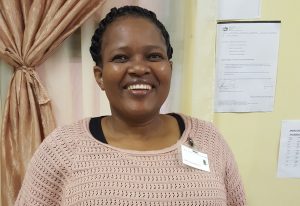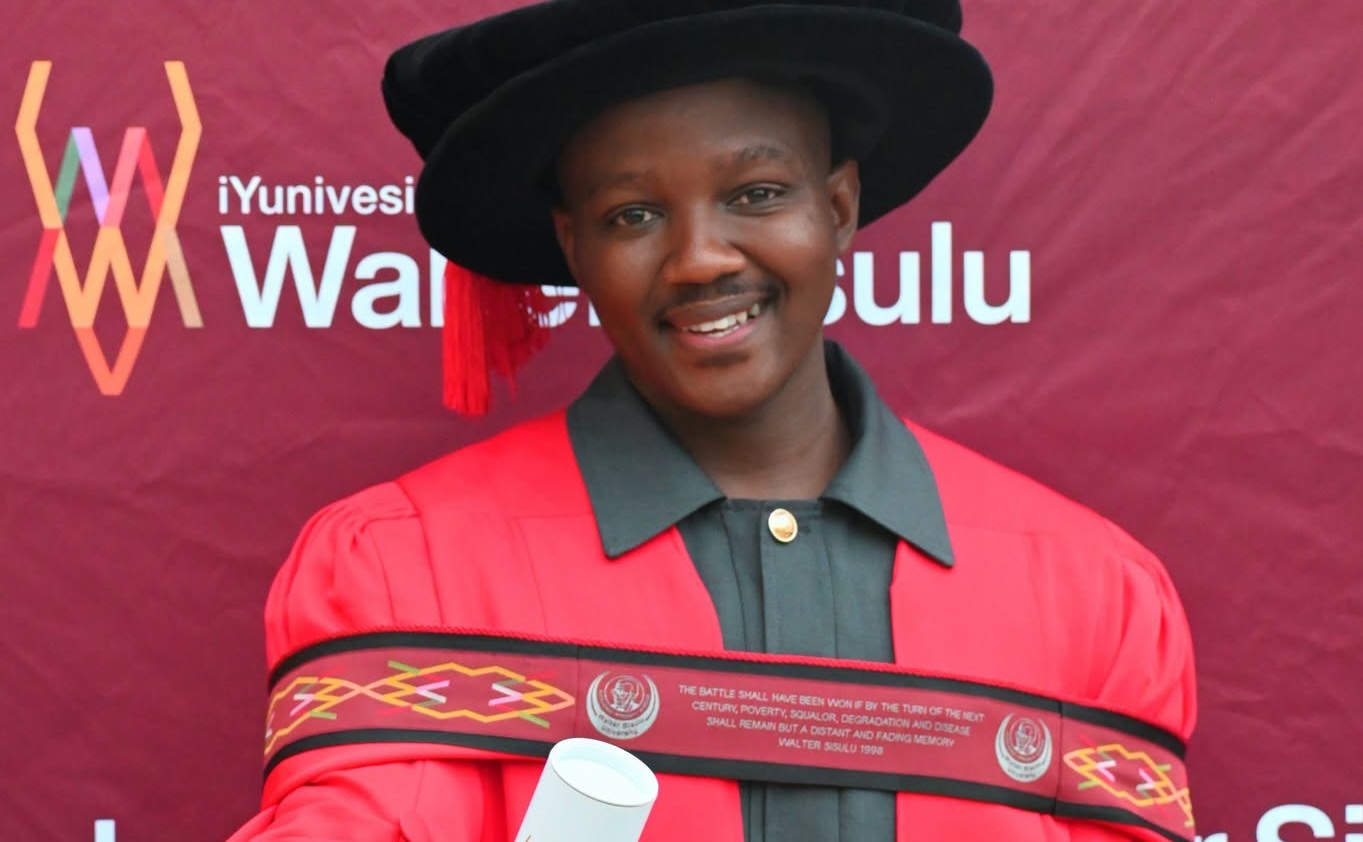
Having witnessed the poor treatment of elderly people living with dementia in his hometown of Mthwane as a youngster, Mphumzi Dlamini was inspired to dedicate his doctoral work to building a compassionate, community-centred care model that protects the dignity, health, and emotional well-being of patients and their families.
Eastern Cape, South Africa (07 October 2026) – Caring for a loved one with dementia is an emotional journey that can take its toll on any family. Watching a parent, spouse, or friend lose their memories, or struggle to recognise the familiar faces that have always been around them, can feel heartbreaking and isolating.
In rural communities, where specialised care is limited and the condition is often misunderstood, this journey can be even harder to navigate.
It was having witnessed this exact reality that inspired Dr Mphumzi Dlamini, a lecturer at Walter Sisulu University, to dedicate his doctoral research to creating better support systems for people living with dementia, as well as the families and healthcare professionals walking alongside them.
Growing up in Mthwane, Umzimkhulu, Dlamini saw firsthand how a lack of awareness could tear communities apart. He witnessed adults showing symptoms of dementia being misunderstood, and in some tragic cases, unfairly associated with witchcraft.
Such experiences, he says, made him question whether local communities, families, and healthcare systems had the knowledge and resources necessary to respond appropriately to the condition.
His study, “Developing a Conceptual Framework for Managing Dementia and Associated Risk Factors Among Adult Population in OR Tambo District, Eastern Cape”, identifies the ground-level challenges facing rural healthcare. These included shortages of specialist doctors and diagnostic tools, as well as the need for better training, technology, and caregiver support.
His work, however, hasn’t just been about identifying the gaps in healthcare. For Dlamini, it is part of his mission to build a more compassionate, person-centred approach that restores dignity, empathy, and hope for those living with dementia.
According to Walter Sisulu University, his Conceptual Framework for Dementia Management and Associated Risk Factors brings together healthcare-system readiness, healthcare-worker capacity, caregiver experiences and community knowledge to strengthen prevention, early identification, diagnosis, treatment and ongoing care.
“The ultimate goal is to shift dementia management from a predominantly reactive, condition-focused approach towards proactive, integrated, preventive and person-centred care,” he says.
 Mandlakazi High's Principal Knew Her Students Deserved Better – So She Did Something About It
 Graeme College Learners Shake Tins to Tackle Period Poverty!
Dlamini also stresses that communities and caregivers have an important role to play, particularly where healthcare resources are scarce.
“Caregivers often provide the daily support, while communities can reduce stigma, social isolation and discrimination and encourage a supportive community culture, which is Ubuntu,” Dlamini explains.
Although shortages of specialists and technology may take time to overcome, he believes meaningful change can begin with what communities already have: compassion, communication, support and a willingness to understand. As he puts it, ageing is something every society must prepare for:
“In essence, this approach means using what we have creatively to ensure that people living with dementia remain respected, supported, socially connected and involved in decision-making about their care,” he concludes.
Sources: Walter Sisulu University
Don’t ever miss the Good Things. Download the Good Things Guy App now on Apple or Google.
Do you have something to add to this story? Please share it in the comments or follow GoodThingsGuy on Facebook and Twitter to keep up to date with good news as it happens, or share your good news with us by clicking here or click the link below to listen to the Good Things Guy Podcast with Brent Lindeque – South Africa’s very own Good Things Guy. He’s on a mission to change what the world pays attention to, and he truly believes there’s good news around us. In the Good Things Guy podcast, you’ll meet these everyday heroes and hear their incredible stories:
Or catch an episode of Good Things with Brent Lindeque or our Weekly Top 5 below. The videos here are always changing, updated with the latest episodes from these two shows. Both are part of Good Things TV, created to bring South Africans balance at a time when the news can feel overwhelmingly negative. Our goal is simple: to remind you that there are still so many good things happening in our country – and to leave you feeling a little more proudly South African.
 by
by