What are Marine Protected Areas and why do they have their own day of celebration? Here’s all you need to know ahead of MPA Day!
South Africa (30 July, 2023) — Marine Protected Areas have their own day of celebration just around the corner (1 August) and we’re diving into the reasons this is an important day worth rallying together for.
If you didn’t know, Marine Protected Areas Day (MPA Day) started off as a local celebration. In 2022, it grew into a global day to be proud of. So, what is it all about? According to Dr Judy Mann, the Founder of MPA Day, a lot of people don’t know what an MPA is. In fact, research involving visitors to uShaka Sea World revealed that only half of them knew what an MPA is.
“Through our annual MPA Day celebrations, we’re growing awareness about these vital marine havens and are excited to garner even more support across the globe. In the build-up to MPA Day celebrations and all the exciting events planned around this, we’re sharing MPA facts to encourage even more support!”
13 Fast Facts about Marine Protected Areas
1. What is an MPA?
An MPA is a defined region designated and managed for the long-term conservation of marine resources, ecosystem services, and cultural heritage.
2. Zoning MPAs Helps Conserve Marine Resources
MPAs can be zoned to allow different forms of human use. Research has repeatedly shown that no-take areas where no fishing or extraction is allowed are the most effective at conserving marine resources and biodiversity.
3. A Landmark Agreement involving MPAs was a Gamechanger
In 2022, nearly 200 nations finalised the 30×30 global target to protect 30% of the world’s ocean and land areas by 2030. This landmark agreement is vital towards building a biodiverse, productive, and resilient future.
4. Less Than 10% of the World’s Oceans are MPAs
Fact #4: Approximately 8.2% of the world’s oceans are MPAs but of these, less than 3% fall into zones that are fully or highly protected from the impacts of fishing (no-take). Many MPAs could be improved through expansion or by increasing the proportion of areas zoned for no-take through open and honest communication with all stakeholders.
5. How Many MPAs Are There in South Africa?
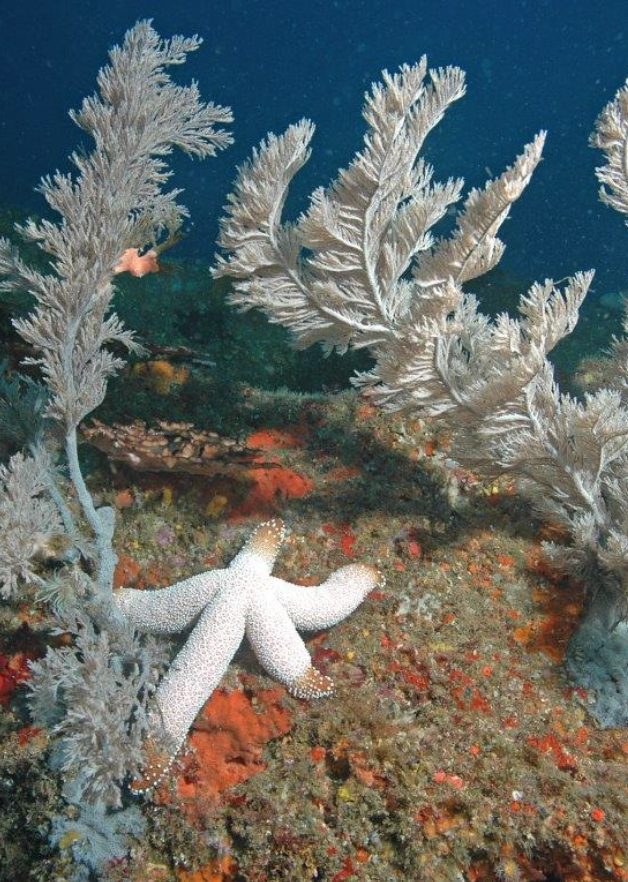
There are 41 marine protected areas (MPAs) in the mainland waters of South Africa covering 5.4% of the exclusive economic zone (EEZ), of these 3% is highly protected (no-take).
6. SA’s MPAs are Serious
Research has shown that South Africa’s MPAs provide some protection to all identified marine ecoregions and 87% of ecosystem types.
Related Stories
 When a Night of Dance Brings Hope to Hundreds of Paws in Lavender Hill
 Tim Steyn Named Landscape Designer of the Year!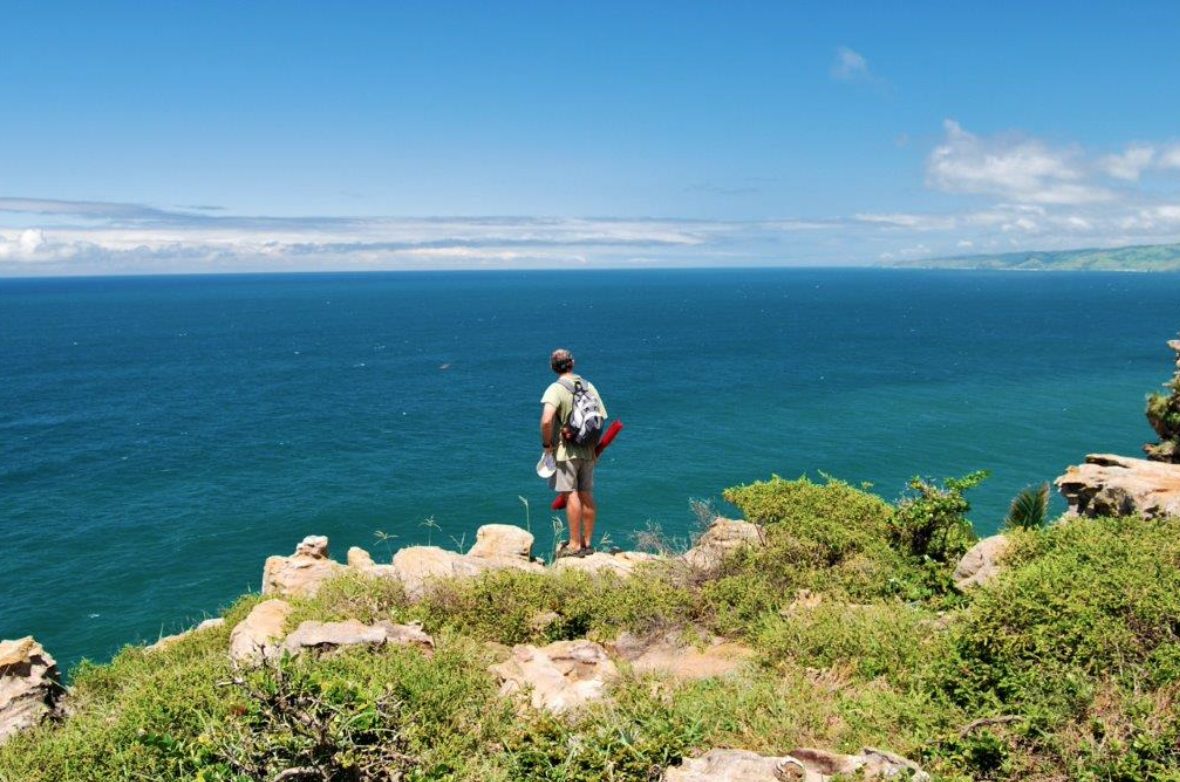
7. Fish do Have Homes, and MPAs Helps Them Flourish
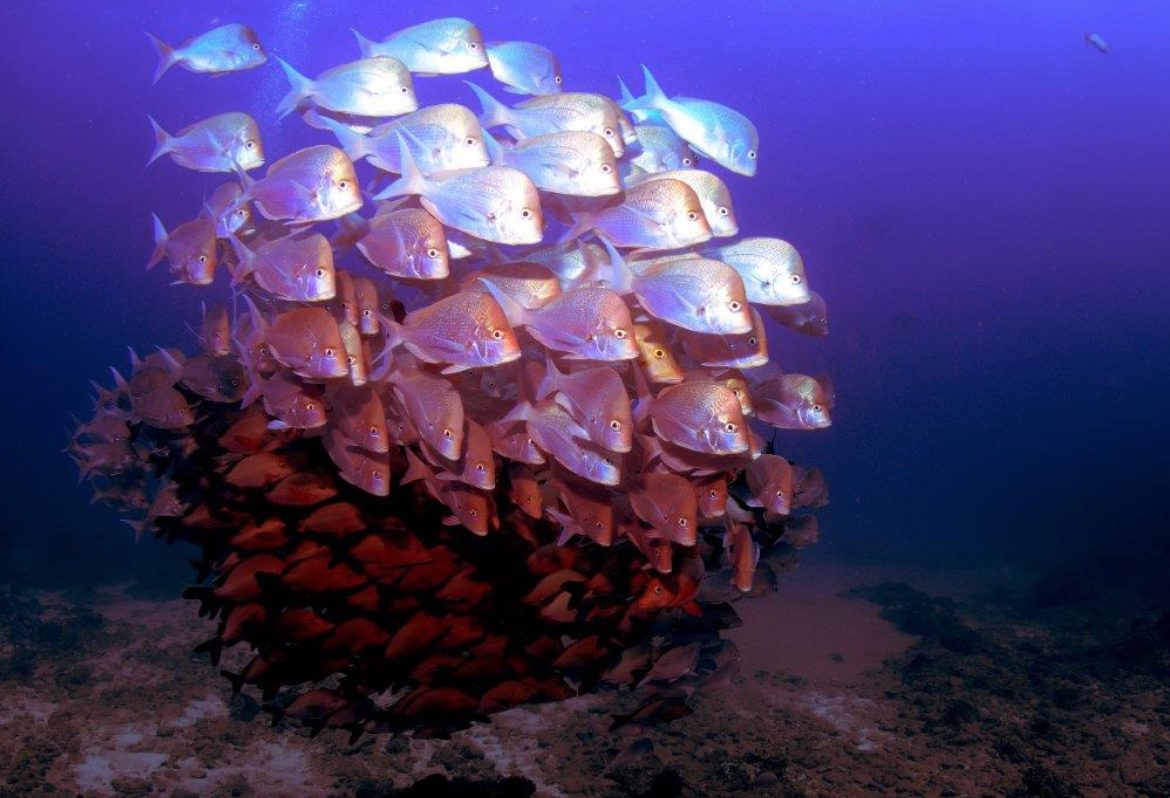
Fact #7: Many species of fish have homes, and different fishes have different home range sizes. Scientists have worked out that many of South Africa’s reef fish are quite resident and do not move far from their homes. Research on line fish species in the De Hoop, Goukamma, Tsitsikamma, Dwesa-Cwebe, Pondoland and iSmangaliso MPAs has shown that well-enforced, no-take areas help resident reef fishes increase in number and size.
8. These Areas Also Help Penguins!
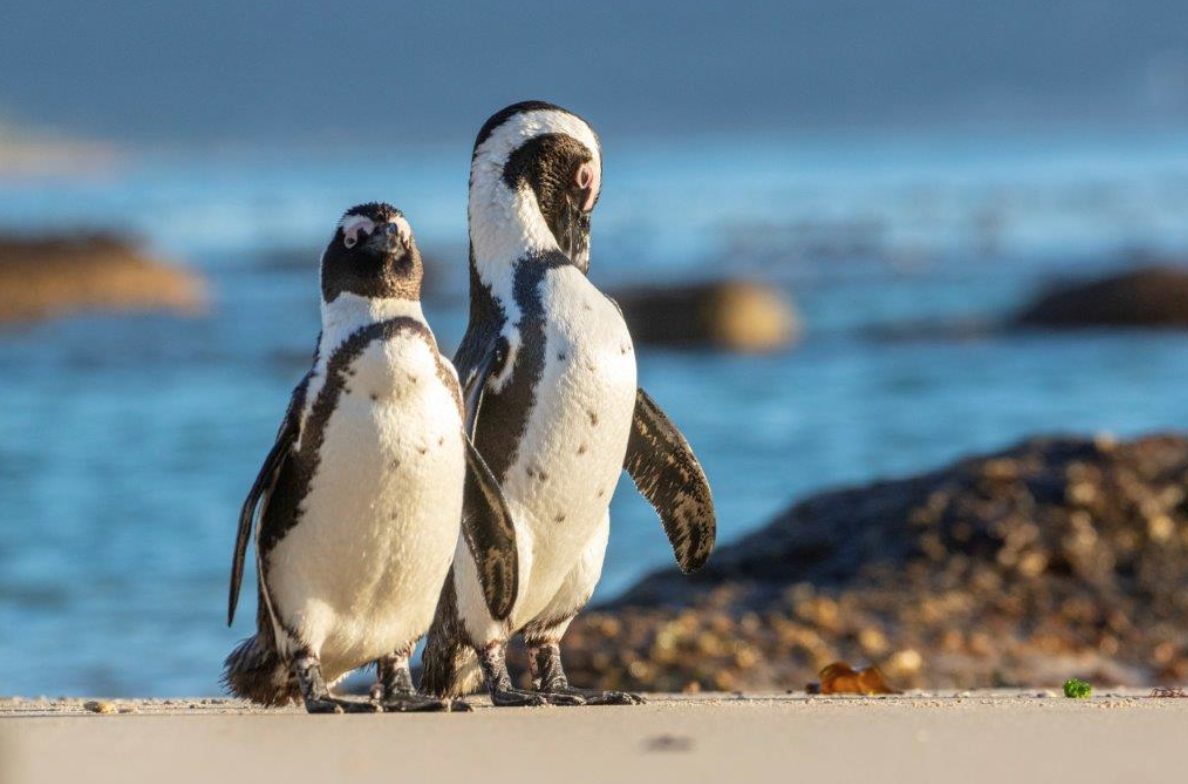
Recent research shows that MPAs can even help to support the recovery of the Endangered African Penguin in certain areas.
9. MPAs Help Fisheries Consciously
Adult fish that breed in MPAs can supply adjacent fished areas with eggs and larvae which sustain fisheries. In many ways MPAs work like a bank – if we protect the fish in the MPAs (capital in the bank) we can harvest the spillover (interest) that flows out of the MPAs. MPAs are an insurance policy for healthy ocean systems and healthy ocean economies, and are an investment in our own future well-being.
10. MPAs Help Us Adapt to Climate Change
MPAs are essential for climate change adaptation and for maintaining the persistence and resilience of South Africa’s marine biodiversity.
11. Uniquely South African Plants and Animals Get Protected
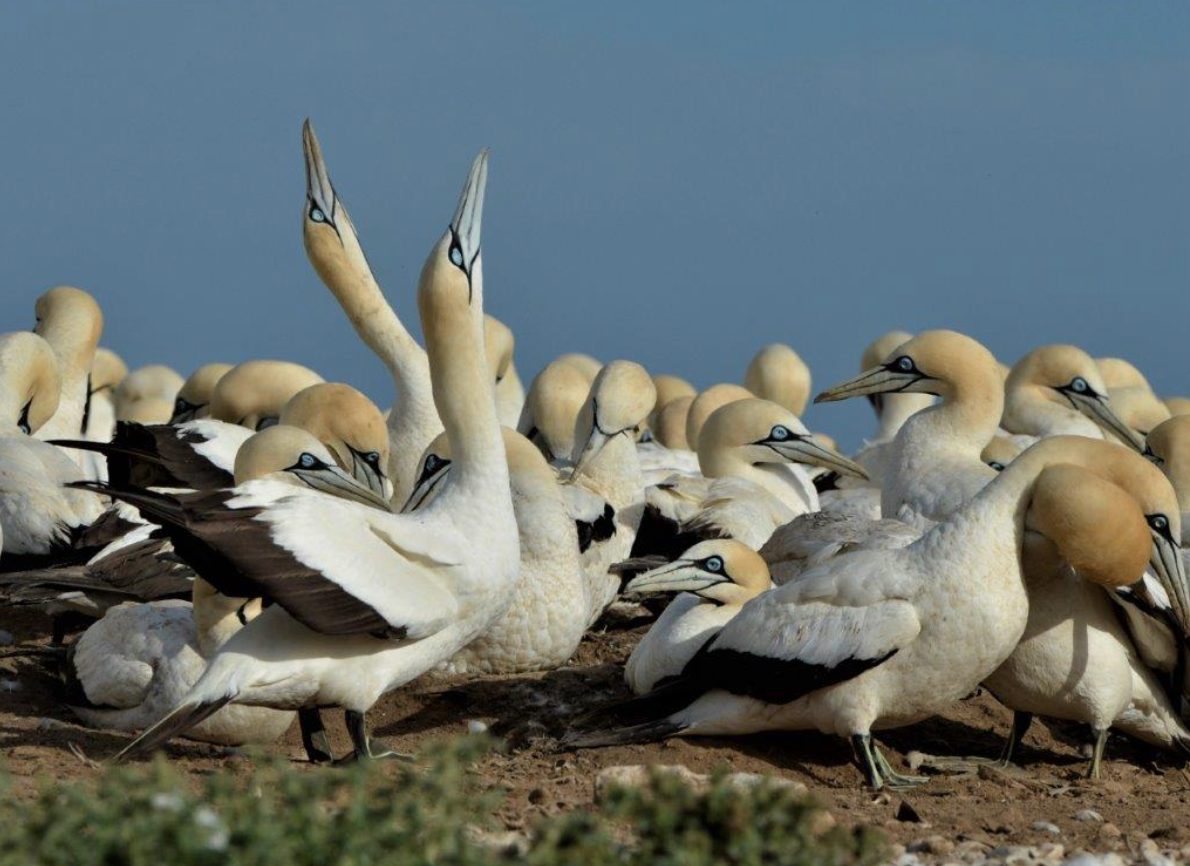
MPAs protect natural heritage, nursery habitats for marine species, uniquely South African plants and animals (such as our iconic fish ‘Seventy-four’), endangered species (such as our living fossils like coelacanths), and cultural heritage.
12. Humans Benefit From MPAs Too
MPAs contribute directly to human well-being through their roles in the local economy, tourism, education, emotional upliftment, research, and climate change resilience.
13. You Can Enjoy MPAs
People can dive, walk, swim, play, and do a wide range of non-consumptive activities in all MPAs.
You can join in on all the action on Marine Protected Areas Day by visiting www.marineprotectedareas.org.za or on Instagram @marineprotectedareassa, Twitter @MPAsSA1 or Facebook Marine Protected Areas SA @MPASouthAfrica.
 by
by