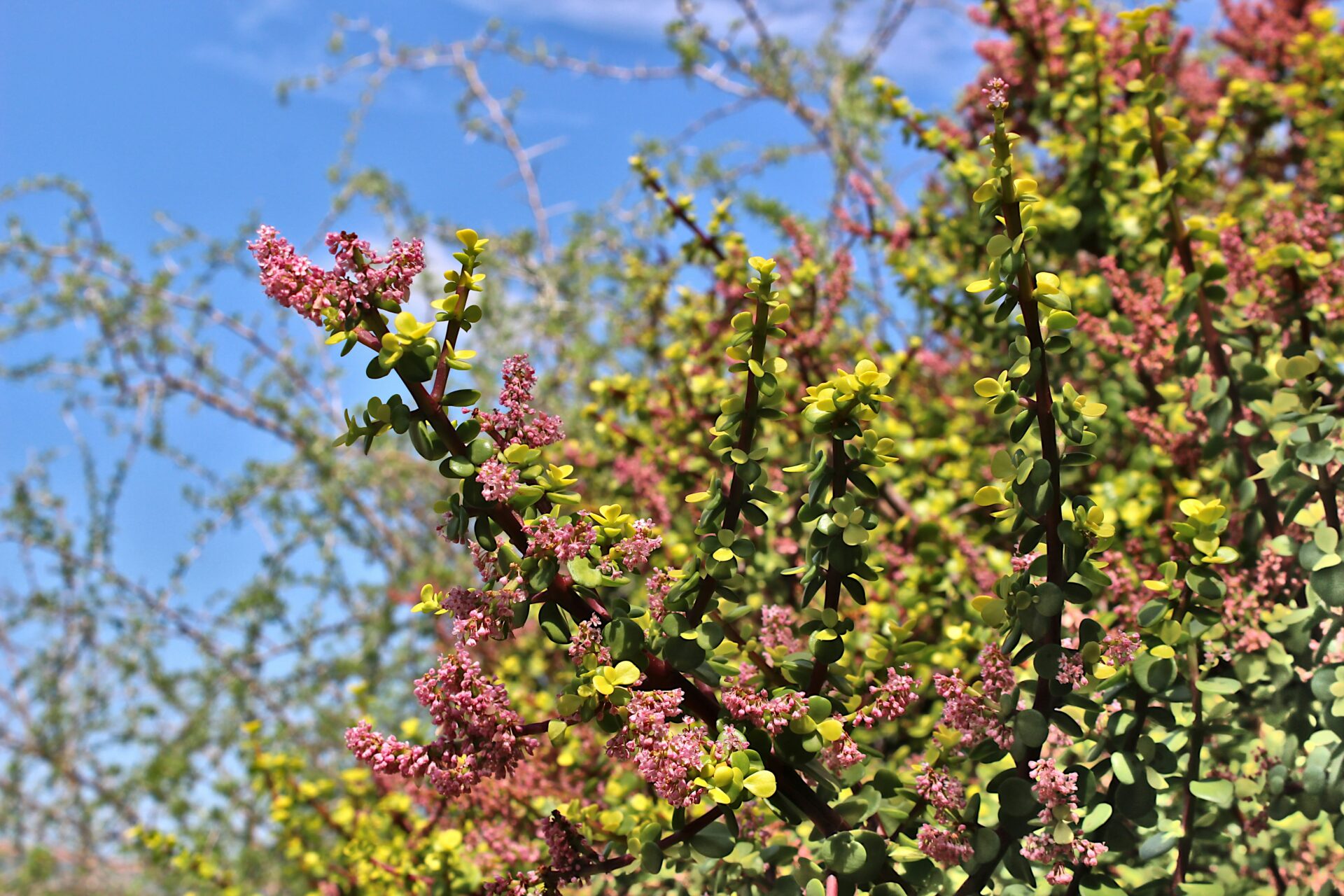
Conservationists are working to bring life back to land that has been degraded over many years. Their secret tool? Spekboom.
Eastern Cape, South Africa (12 March 2026) – Did you know that spekboom, also known as elephant bush, is a miracle plant?
The Eastern Cape was once covered in dense, low tangles of shrubs and small trees that kept the soil healthy, held water in the ground, and provided food and shelter for wildlife. This is called the Albany thicket biome or subtropical thicket. Over generations, livestock were left to graze through it, and the land has never fully recovered.
Today, only about 10% of that original thicket is still intact, and when land loses its plant cover, it sets off a harmful chain of events. The soil erodes and doesn’t retain water well. The ground dries up, and ultimately, drought hits harder.
Spekboom is shaping up to be a hero in the story. You might recognise it – It’s a common garden plant – but in its natural environment, it does something extraordinary.
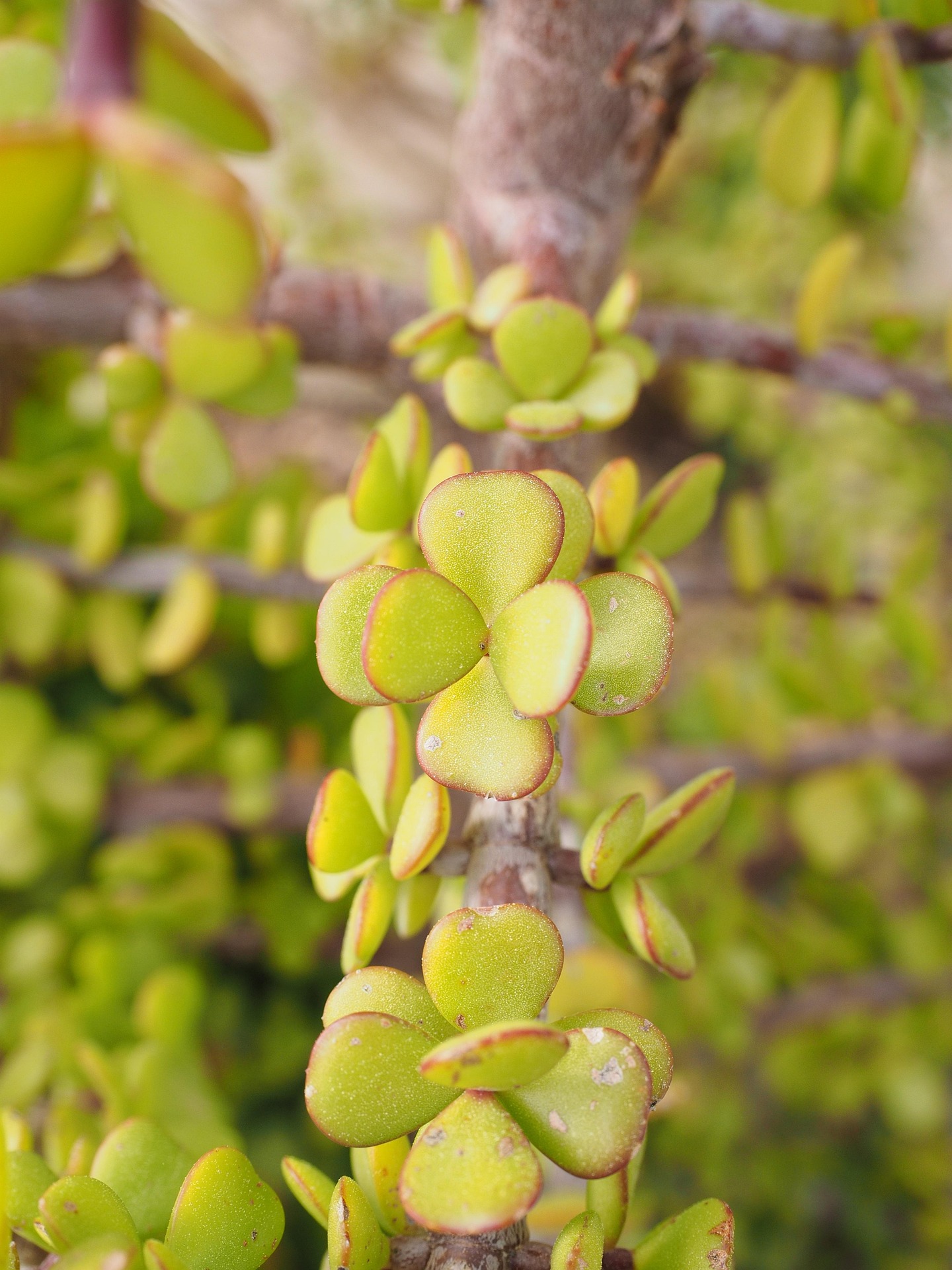
As it grows, its branches spread low to the ground and trap fallen leaves, which slowly rebuilds the soil beneath it. Its roots allow rainwater to sink into the ground rather than wash away. It’s so tough that it survives drought, and even provides food for livestock when everything else has dried up. It also absorbs carbon from the atmosphere, making it a hero in the fight against climate change, too.
Once enough spekboom is established in an area, the whole landscape slowly starts to recover.
The UN Environment Programme reports that more than 60 projects across the Eastern Cape are now working to restore a whopping 800,000 hectares of degraded land by 2030.
The golden thread that runs through these projects is conservationists’ reliance on spekboom! Workers who grow spekboom cuttings and plant them by hand across degraded land.
“The efforts that have been put into spekboom restoration will benefit future generations. We are banking for the long term,” said Luyanda Luthuli, a landscape practitioner of Living Lands, one of the organizations forming the initiative. “I am excited and hopeful for the future and for seeing the fruits of our labor towards restoring ecosystems, restoring resilience.”
 The Hope Dealers: Jozi Trails Looks After the City's Longest Green Artery
 Banjo's Best Life! Scruffy Pup Found in Bushes Gets Happiest New Beginning
This restoration initiative also creates hundreds of jobs in a region marked by poverty, unemployment and inequality.
The environmental initiative has already been recognised by the United Nations as a World Restoration Flagship, an award given to outstanding efforts to restore nature and the critical benefits it provides to people.
“The thickets of the Eastern Cape are vital wildlife habitat, and they also underpin water security, food systems, sustainable livelihoods and climate resilience,” said Salman Hussain of the UN Environment Programme (UNEP). “Restoring them is one of the most powerful ecosystem-based approaches available to us. With sustained investment, we can protect biodiversity while strengthening communities and local economies.”
 by
by