Building the leaders of tomorrow requires more than just hope; it demands investment in growing boys who need guidance the most. A new pilot programme is ensuring that a group of young men from Ocean View Secondary School is given the best chance to lead well and overcome the odds against them.
Cape Town, South Africa (23 January 2026) – It is no secret that many of our adolescent boys face social challenges that can easily lead them astray. In environments where instability, a lack of positive male role models, and limited opportunities are rife, leadership development and structured guidance are no longer mere considerations – they are a necessity if these young men are to lead the world of tomorrow.
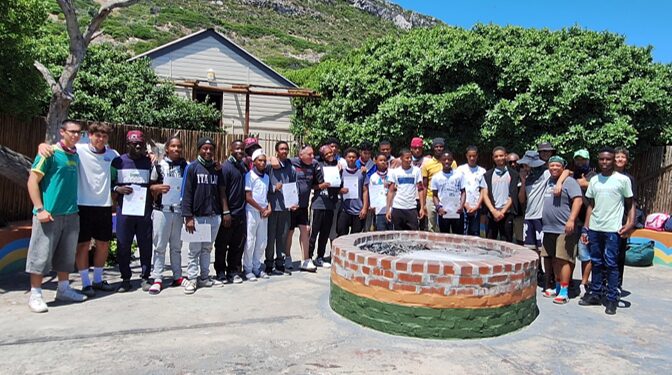
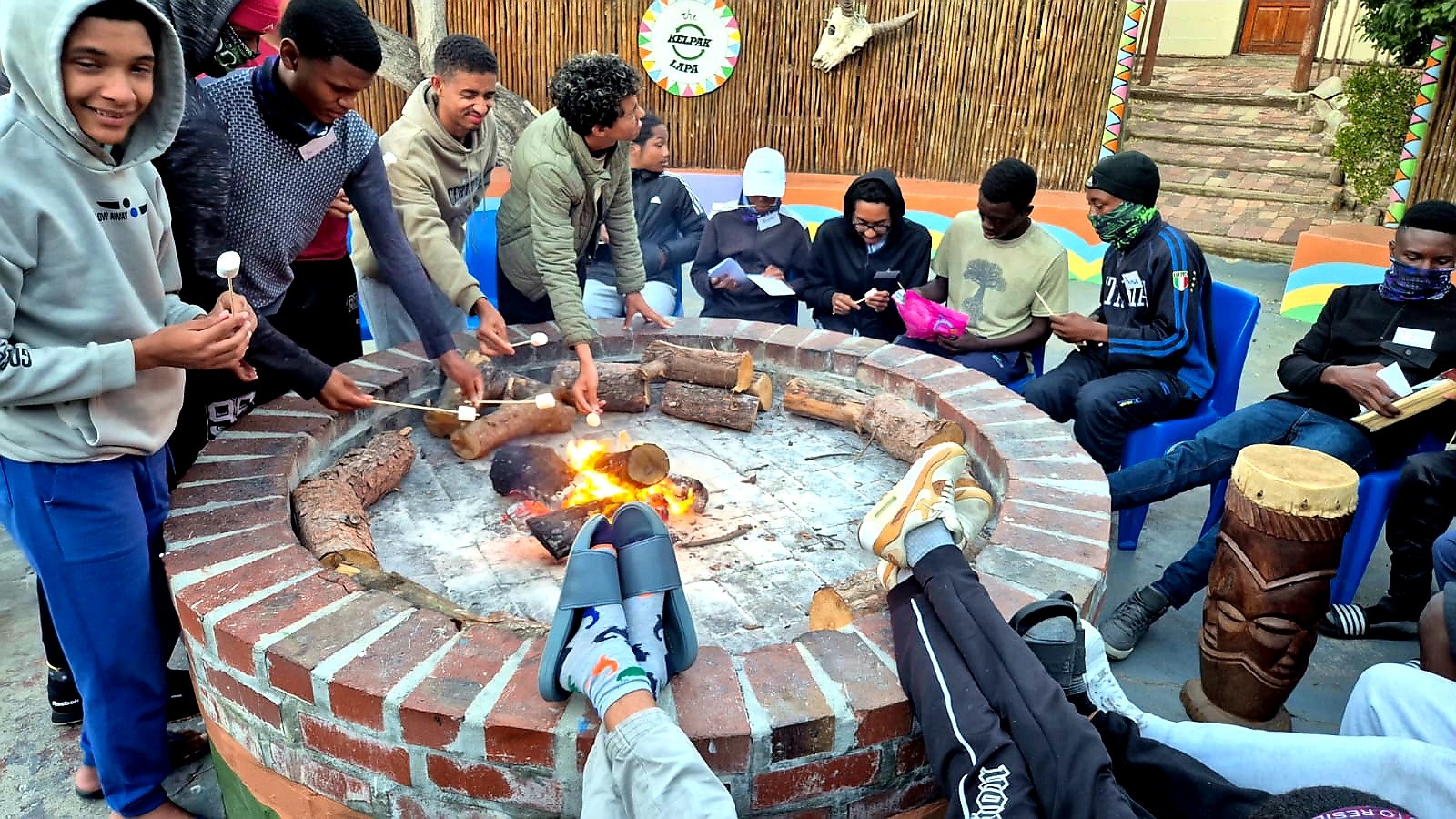
To address this, the Global Centre for Change Foundation (GCC) launched a pilot programme for a selected group of learners from Ocean View Secondary School. These students took part in the inaugural Roots to Resilience Youth Leadership Camp, an initiative specifically designed to guide young men toward responsible adulthood, employability, and active citizenship.

Ocean View Secondary School was selected due to its position at the intersection of high leadership potential and high vulnerability. While the school consistently identifies young men with the capacity to lead, the broader community context presents significant challenges, including exposure to gang activity, substance abuse, father absence, and early disengagement from school.
Teachers and community leaders have reported increasing emotional withdrawal, risk-taking behaviour, and a lack of future orientation among adolescent boys, making early, targeted intervention essential.
Guiding Tomorrow’s Leaders
The Roots to Resilience camp brought together learners in Grades 10 to 12, a formative period where identity, values, and decision-making patterns are actively being shaped. Participants were selected based on indicators of leadership, perseverance, and commitment, particularly those who continue to show up, contribute, and stand out despite challenging circumstances.
Over the course of the weekend, participants engaged in a series of facilitated experiences focused on accountability, emotional regulation, teamwork, and self-reflection. Rather than relying on theoretical instruction, the programme emphasised deliberate practice through scenario-based challenges, guided discussions, and reflective exercises designed to help participants examine their choices, responses to pressure, and sense of personal responsibility.
Giving Young Men a Safe Space to Express Themselves
A defining moment emerged during the “Burdens We Carry” session, where participants were encouraged to speak openly about fear, anger, and the pressures they navigate daily. Facilitators observed a visible shift as the group moved from guarded bravado to honest reflection, setting the foundation for deeper engagement and trust.
Related Stories
 SA's Incredible Volunteer Therapy Dogs Are the Gentlest Heroes!
 Heading to the Coast This Weekend? The NSRI Has an Important Safety Reminder
“What we witnessed was a visible change in how these young men saw themselves. They arrived carrying the weight of their circumstances,” says Camp Lead Facilitator Brent Proctor.
“They left understanding that their past does not dictate their future. When young people are given belief, structure, and consistent support, their sense of possibility changes and so does their behaviour.”
For many participants, the camp represented the first-time adult men had spoken to them about responsibility, discipline, and manhood without judgment or threat. Several shared that they had never previously considered the kind of men they wanted to become, nor believed such conversations were available to them.
Offering Additional Guidance Through Mentorship
Importantly, Roots to Resilience is not designed as a standalone camp. The weekend experience serves as the entry point into a fully sponsored twelve-month mentorship programme, which provides continuity, accountability, and real-world application. Participants are now enrolled in structured monthly group mentorship sessions, supported by individual check-ins where additional guidance is required.
Mentorship is delivered by trusted, fully vetted adult men rooted within the Ocean View community. All mentors operate within a clear framework of safeguarding and accountability, ensuring that guidance is consistent, responsible, and aligned with the programme’s values. Their community grounding allows mentorship to be practical, relevant, and anchored in the realities participants face daily.
Resilience within the programme is treated as a skill to be practised, not a personal trait. Through ongoing mentorship, participants are supported as they apply what they have learned at school, at home, and within their peer environments. Regular goal setting, reflection, and challenge help reinforce emotional regulation, decision-making, and personal responsibility over time.
As the programme progresses, participants will be introduced to work exposure opportunities, skills development experiences, and age-appropriate employment pathways. This component allows young men to connect character development and discipline to tangible economic outcomes, building readiness for further training, internships, or entry-level employment.
By the end of the twelve-month mentorship period, participants are expected to demonstrate stronger school engagement, improved emotional regulation, and increased personal accountability. The programme also equips participants with foundational civic and life skills, including guidance around obtaining identification documents, understanding learner’s and driver’s licence pathways, and developing awareness of their rights and responsibilities as future voters and economic participants.
Although Roots to Resilience is currently operating as a pilot programme, early indicators of success are already emerging. Ocean View Secondary School has reported improved engagement and participation among several participants, while mentors have observed shifts in how young men speak about themselves and their futures, marked by increased motivation, optimism, and curiosity!
Through privately funded initiatives like Roots to Resilience, The Global Centre for Change Foundation is committed to developing scalable, preventative models that support young people at critical transition points, strengthening leadership, resilience, and long-term opportunity in under-resourced communities.
 by
by