Anthony Moskovitch shares his insights into how the tourism and hospitality industries can become more inclusive for the deaf and hearing-impaired community.
South Africa (25 July 2023) – Tourism is a multi-sensory experience and South Africa, with its abundant wonders, exemplifies this perfectly. But in reality, more than 60,000 South African citizens grapple with hearing impairments and are unable to experience our country through all five senses.
While it is heartening that the National Assembly approved South African Sign Language (SASL) as one of our twelve official languages, championing the rights of individuals who are deaf and hard of hearing, it is disheartening to observe that only a few players in the industry have taken meaningful steps to implement new programmes and training to foster inclusivity.
This milestone achievement of acknowledging sign language as an official language presents a remarkable opportunity for South Africa’s hospitality and tourism industry to assume a pivotal role. I recall with admiration instances in 2015 and 2017 when prominent hospitality organisations shared inspiring stories about their workforce comprised of individuals with hearing impairments, thereby raising awareness about their inclusive practices. Unfortunately, it seems that over the past eight years, instead of progressing, we have regressed in our endeavours.
Success within our industry revolves around crafting unforgettable moments throughout the guest journey. This voyage encompasses meeting new people, finding comfort in new accommodations, and, of course, indulging in culinary experiences. It is in these moments that we have the power to create pockets of enchantment.
Personally, I firmly believe that people used to seek out hotels for leisure purposes because they provided amenities and experiences that were not readily available at home. Whether it was the absence of DSTV, the pleasure of having someone cook for you, or the allure of engaging in fun activities, hotels offered a distinct escape.
However, in the past two decades, the landscape has shifted significantly. The advent of faster Wi-Fi speeds at home, improved TV options, luxurious bedding and linens, and platforms such as Netflix have elevated the comfort of our personal spaces. Consequently, when we choose to visit a hotel or dine at a restaurant, we seek something more—a sense of well-being. Unfortunately, we are currently missing this crucial human interaction in the realm of food and beverage services. While food and beverage offerings will always play a significant role, it is the people who truly enhance the service experience.
By incorporating customers who have a firsthand understanding of sign language, we can unlock a whole new level of excitement, focused interaction, recognition, and elevated experiences.
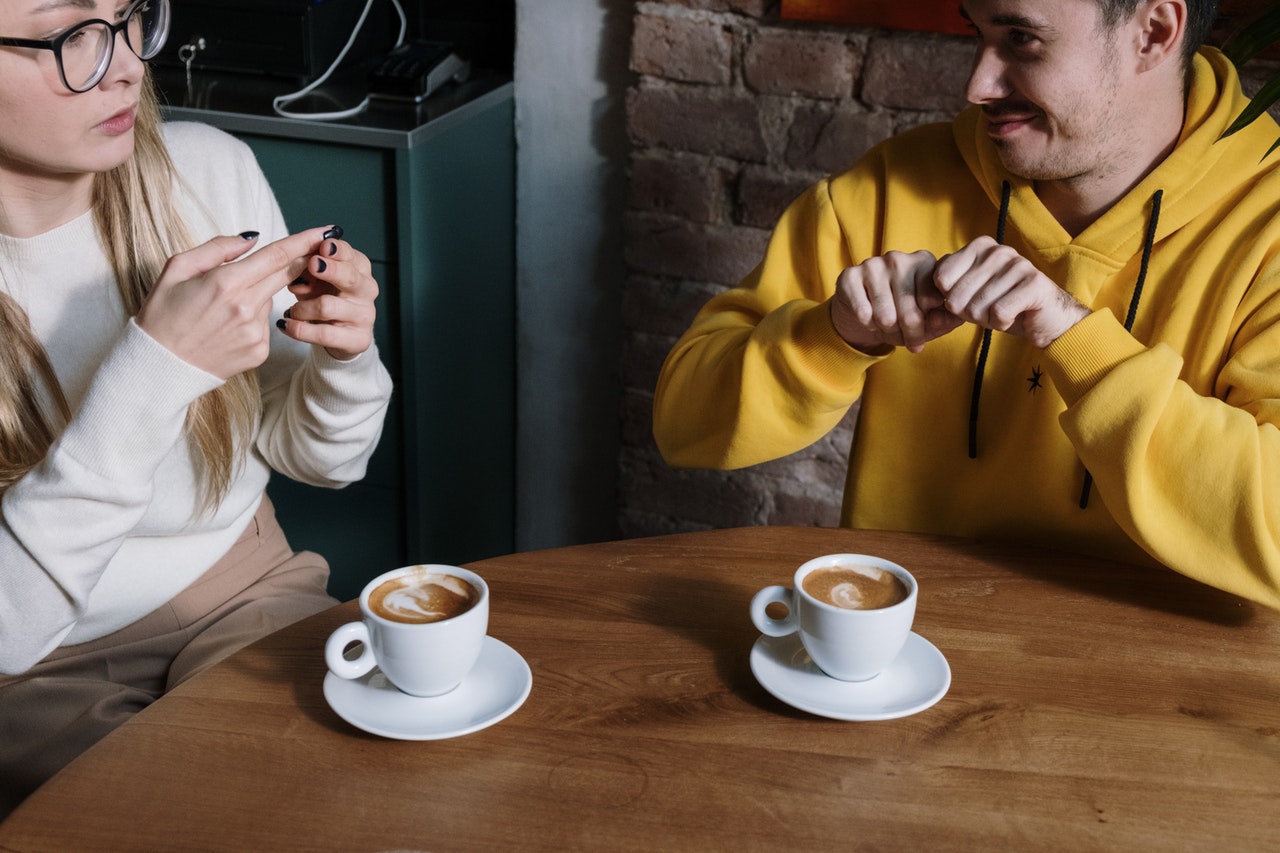
Novel interactions elicit fresh reactions. When was the last time you found yourself pleasantly surprised by receiving a cappuccino without explicitly requesting it? By utilising basic sign language gestures to communicate specific beverage orders, every interaction becomes novel, perhaps a bit daunting, yet undeniably thrilling. And the smile on the face of the deaf barista assisting you, knowing that you made the effort to converse in their language crafts a moment of connection which is nothing short of life-changing.
Presently, our challenge lies in pushing the boundaries of inclusivity with our deaf employees within the guest service industry. While there are limitations, certain areas of service hold tremendous potential for implementation. Could it be during guest check-in? Let’s explore the possibilities! Could it be amplifying the interactions with baristas and waitstaff? It is imperative for the hospitality industry to proactively seek new and innovative approaches to embrace and empower our hearing-impaired workforce. The talent is undoubtedly present, and it is our responsibility to uncover it and celebrate it.
Related Stories
 Always Online, Always Exhausted? Experts Share 5 Ways to Take Back Your Life!
 One Last Bowl? We're Not Ready to Say Goodbye to ProNutro!
Above all else, the paramount aspect of guest services is the human connection and how someone’s presence makes you feel. It is vital for the South African hospitality industry to come together, dedicating itself to forging deeper and more meaningful bonds with guests and leaving a lasting positive impact. This requires a concerted effort to provide comprehensive training and upskilling opportunities for our deaf employees. By including them in the customer journey, not only will you create enduring impressions, but you will also elevate the interactions between guests and staff. Such growth is not limited to enchanting encounters within our industry; it will foster inclusivity and acceptance throughout our entire nation.
 by
by