Through early intervention, therapy, and community outreach, Siyakwazi is reshaping how disability is understood in the UGU district and KZN at large.
KwaZulu-Natal (09 December 2025) – For more than a decade, Siyakwazi has been doing powerful work in rural KwaZulu-Natal by helping children with disabilities access the care, support, and dignity they deserve. Their mission is to ensure that every child, regardless of ability, is seen, supported, and included.
In a country where over half a million children with disabilities remain excluded from the schooling system, Siakwazi’s presence has become a lifeline for many families in the UGU district.
“Disability is something many communities still struggle to talk about.”
The organisation explains in the video shared on YouTube.
For countless parents and caregivers, speaking openly about disability feels risky with judgment, stigma, and harmful beliefs still deeply rooted in some communities.
Siyakwazi’s team says they often find children hidden away or isolated simply because families fear how the community will react. Even one staff member admitted they did not know their own neighbour had a child with a disability until joining the organisation.
Through their door-to-door outreach, community awareness, and school partnerships, Siyakwazi is steadily changing that narrative.
One of their strongest tool is their Baby Programme, which educates parents from the earliest stages of a child’s development. Early identification means early intervention. And that has changed hundreds of young lives.
Related Stories
 How Love Rewrote the Story of a Little Boy Once Left Outside Hopelands’ Gate
 The Hope Dealers: Jozi Trails Looks After the City's Longest Green Artery
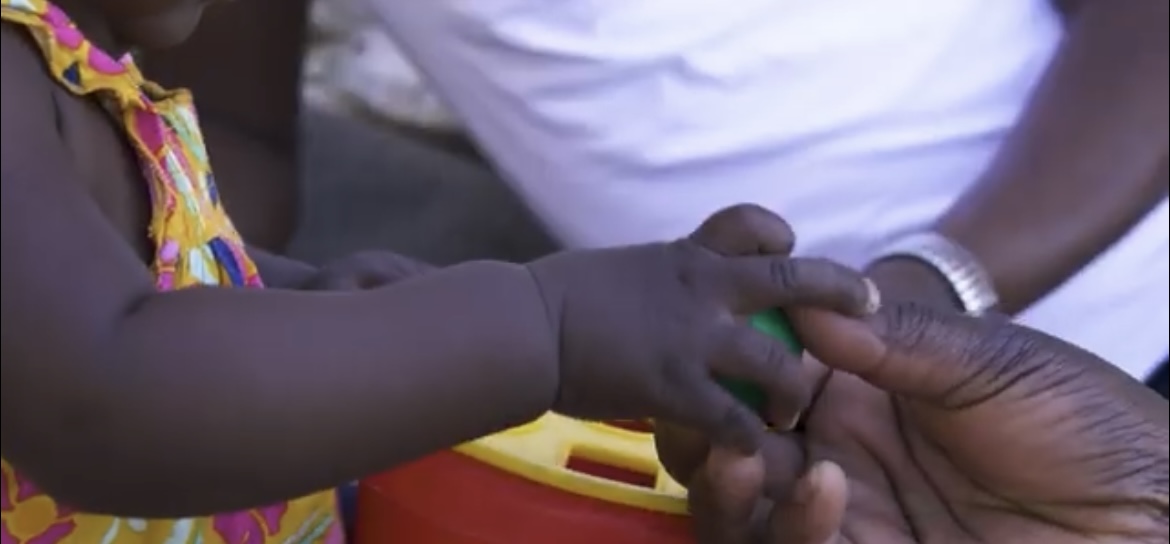
Therapy has played a major role, too. Many families arrive not understanding what their child is going through, or even what their condition is called. But once children start therapy, parents begin to see real progress.
“Before therapy, some children spent all their time lying on one side. Now, with stretching and movement, their muscles are more flexible, and they become more active.”
Raising a child with a disability is emotionally and physically demanding. Many parents experience burnout, especially in single-income or single-parent households.
That’s why Siyakwazi launched a Respite Programme, inviting children to spend time learning, playing and socialising in a safe, loving environment. While the children are engaged, parents are given precious time to rest, work, run errands, or simply recover.
The organisation says the response has been overwhelming.
“Many parents didn’t realise how much they needed it until they finally had that break.”
Siyakwazi’s inclusion programme focuses on preparing children with disabilities for school and supporting them once they’re in the classroom. Children receive extra time for schoolwork, learn new skills, and get encouragement to play and engage just like any other child.
Founded in 2013, Siyakwazi has grown into a pillar of hope in the UGU district. By 2025, more than 1,300 beneficiaries had been directly supported
But the organisation stresses that there is still a long way to go in education, community acceptance, and access to essential services.
 by
by