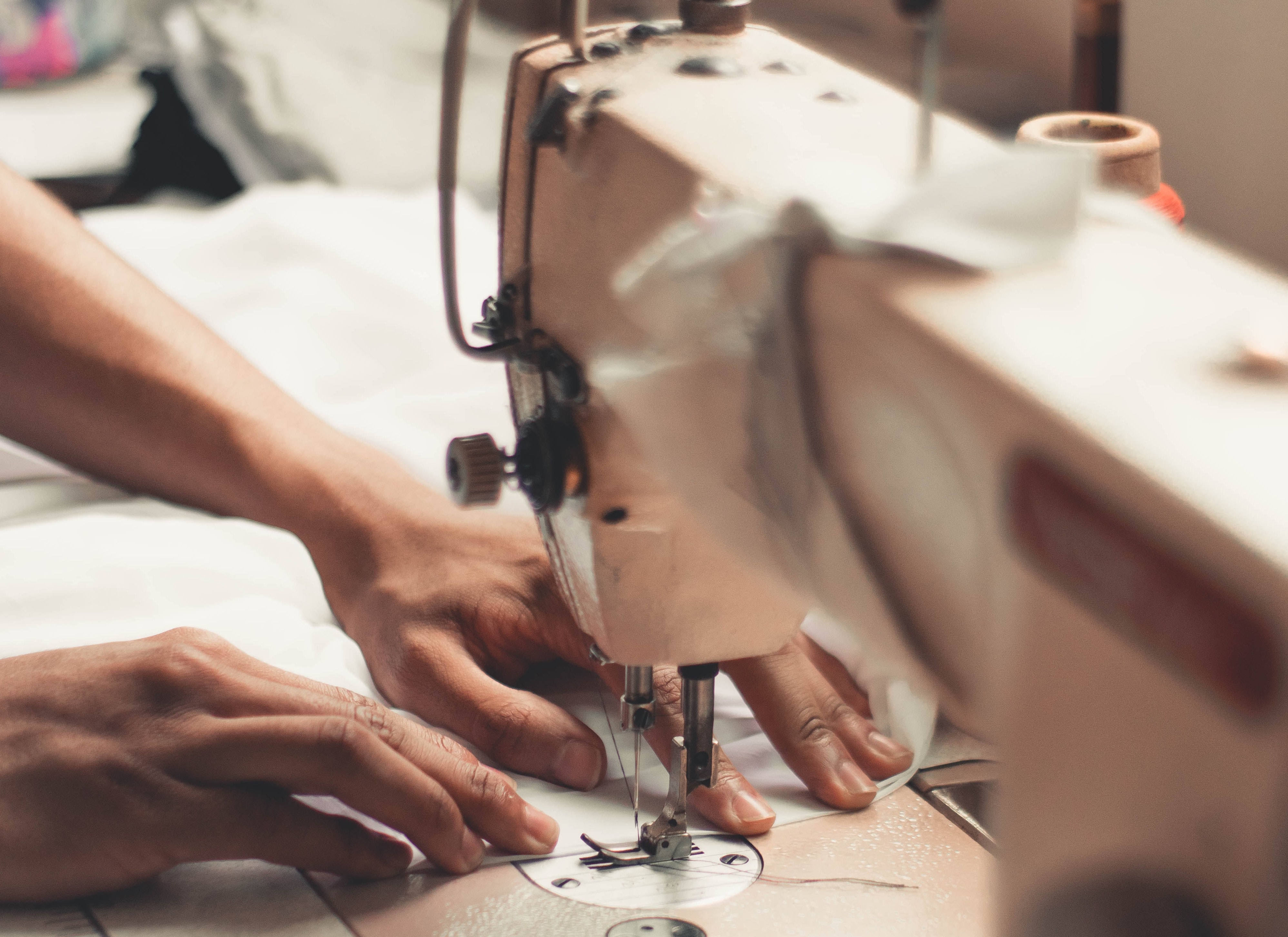
Jackie May highlighted why South Africa must reimagine its relationship with textiles from natural fibres and cultural heritage to the everyday choices we make about what we wear.
Cape Town, South Africa (21 August 2025) – For Jackie May, fashion is far more than fabric and design. It is a medium to tell stories, a mirror to society, and a powerful space to rethink how we live, consume, and care. As the co-founder of African Textile Talks alongside Priya Ramkissoon from Imiloa Collective and moderator at the recent Cape Town summit, Jackie has made it her mission to shine a light on the fibres, people, and principles shaping Africa’s textile future.
“The reason I was interested in establishing these talks is that I don’t see anywhere else on the continent where we’re focusing on fibres produced here. It’s important to create awareness because we do produce incredible fibres that are sustainable, natural, and potentially the future of the fashion and textile industry.”
From wool and mohair in South Africa to banana fibres in Uganda, pineapple fibres in Kenya and cotton across West and Central Africa, Jackie believes these resources are key to building a more sustainable industry. With polyester and plastics dominating global fashion, she says, returning to natural fibres is not just a cultural choice, but an environmental necessity.
The summit, held under the theme Thread with Care, brought together changemakers from across the continent to exchange ideas. For Jackie, what stood out most was the cross-pollination of knowledge along the value chain.
“Someone working in processing might be blown away by what they hear from a farmer, or from a designer experimenting with their fibre,” she says. “These connections spark collaborations that push everyone to think about the future and how to do better.”
She recalls being struck by designer Wacy Zacarias from Mozambique, who uses healing plants to dye cloth, reminding audiences that clothing touches the skin, the body’s largest organ and should be treated with the same care as food. Another standout was Namibian academic Maria Caley, who unpacked the transformation of Herero and Nama traditional dresses through colonisation, showing how clothing has always reflected deeper social and political forces.
For Jackie, the message of “Thread With Care” is urgent.
“The world is falling apart. We’ve forgotten how to think with heart and soul about how we produce and consume. The way we make clothes must be done with care, and the way we wear them must be done with more care, because we’ve become so careless.”
Yet she remains hopeful.
Related Stories
 How Love Rewrote the Story of a Little Boy Once Left Outside Hopelands’ Gate
 SPAR Women’s Challenge Funds Turned Into GBV Prevention Programme
“What gives me hope is the community. Every person who becomes more mindful about what they wear and how they make or buy clothes. That’s a step forward. The conversations are growing, and that’s positive.”
And with African Textile Talks gaining momentum, now five years strong, it seems South Africa’s textile story is only beginning to be rewoven.
 by
by