Spot a crane? Then call it in! All it takes is one quick WhatsApp message.
South Africa (08 July 2026) – The Endangered Wildlife Trust (EWT) is restarting the South African Crane Census after nearly two decades, and all you need is your phone to get involved!
Between 1998 and 2006, EWT ran a National Crane Census every year. It tracked population sizes and distribution of South Africa’s three crane species – the Blue Crane, the Wattled Crane, and the Grey Crowned Crane.
Ordinary South Africans helped collect that data, which then shaped three decades of impactful conservation work done alongside partners like Ezemvelo KwaZulu-Natal Wildlife, the KwaZulu-Natal Crane Foundation, and Eskom.
Now EWT, working with the International Crane Foundation, wants to pick that project back up, using WhatsApp to make reporting a sighting as easy as sending a text.
There is a reason for the urgency. Population numbers for all three species have shifted, and nobody knows the full picture. Some numbers appear to be recovering. Others are dropping. EWT needs verified sightings from across the country to work out what’s actually happening, and where to focus conservation efforts next.
All three crane species are all telling different stories. The Wattled Crane has seen encouraging progress in some areas but concerning losses in others. The Grey Crowned Crane remains one of the few stable populations of its kind on the continent, though there’s little clarity on how it’s faring outside its main stronghold. And the Blue Crane, our national bird, has recently been reclassified due to ongoing declines, with signs that its range may be shifting. These are the trends the census aims to look at, and every sighting helps paint a clearer picture.
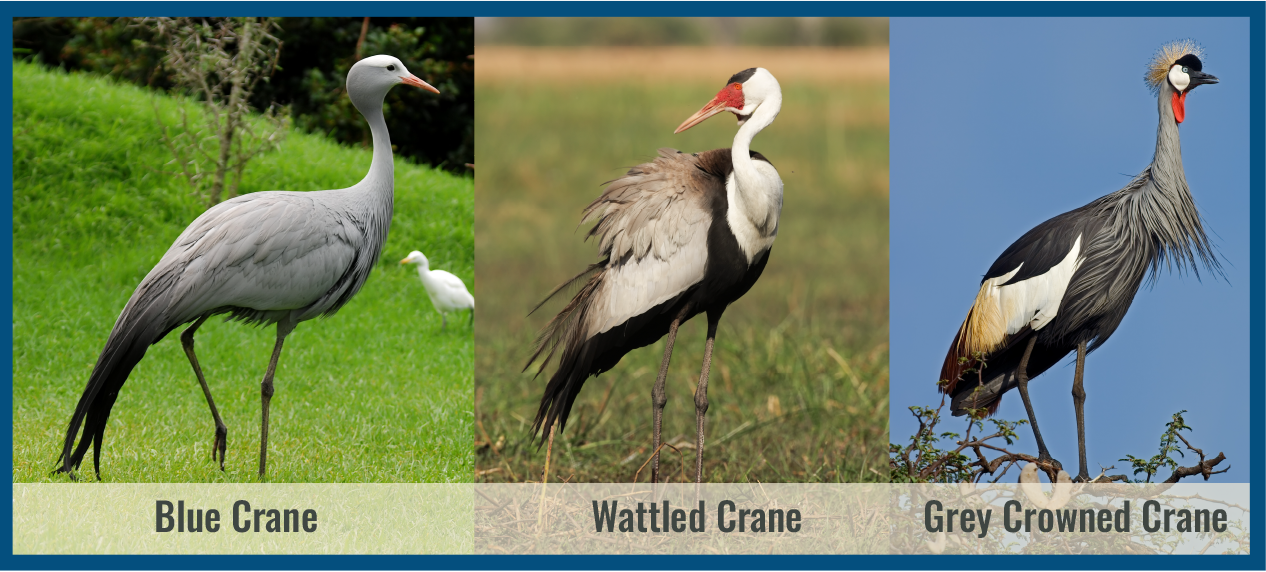
How to identify them
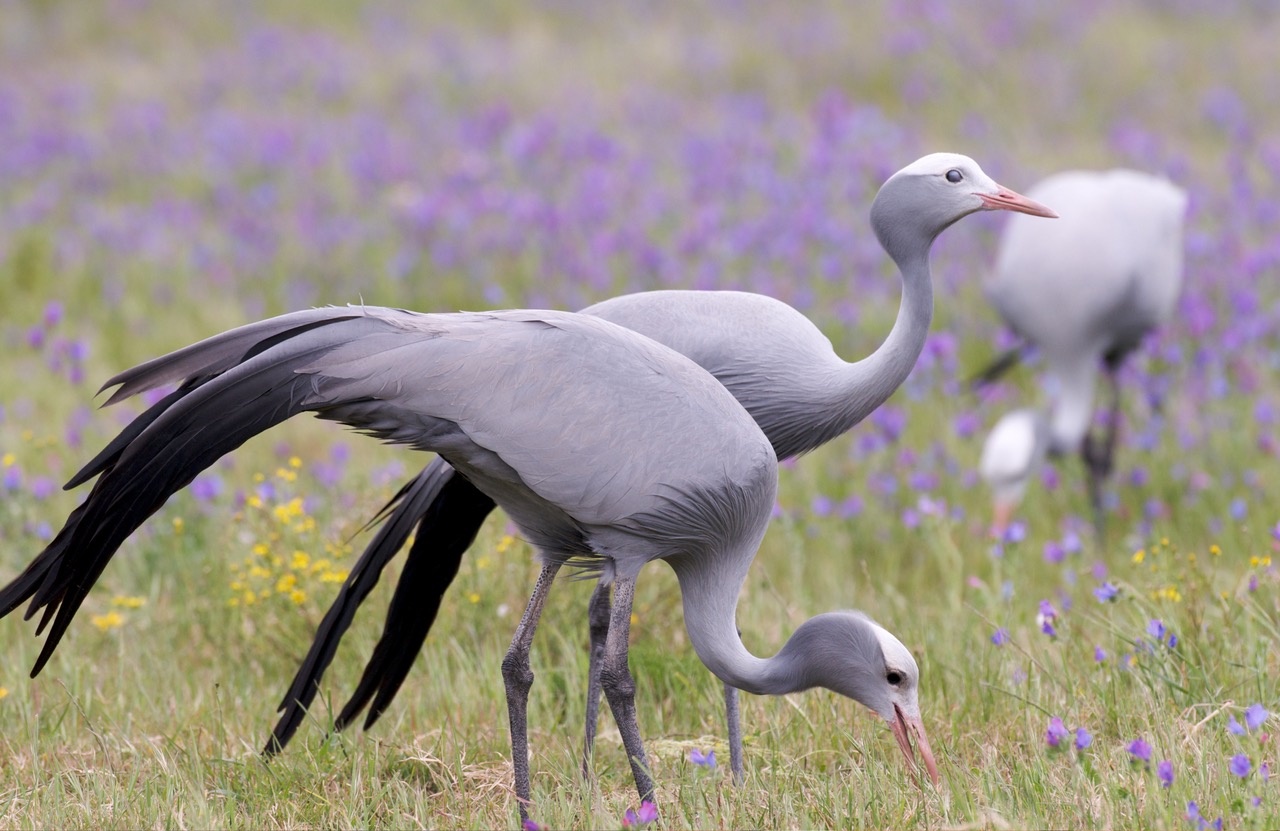
Blue Crane: Pale blue-grey body, a long ‘cape’ of dark plumes trailing off the wings, and a heavy-looking head that sits low on the neck. South Africa’s national bird.
Grey Crowned Crane: Unmistakable, a spray of stiff golden feathers forming a crown on the head, plus a bright red throat patch and white cheeks against a slate-grey body.
Wattled Crane: The tallest of the three, with a white neck and chest, dark grey body, and distinctive white, fleshy wattles hanging beneath the chin.
Related Stories
 Soweto Residents Turn Neglected Spaces Into Beautiful Gardens
 Charity Golf Day Raises R600,000 for Table Mountain's Volunteer Heroes!
How to take part
If you see a crane, EWT wants to hear about it. Here’s what to send:
- How many cranes you saw (the count)
- The species (Blue, Wattled, or Grey Crowned)
- The location of the sighting
- Any further info or pictures of your sighting
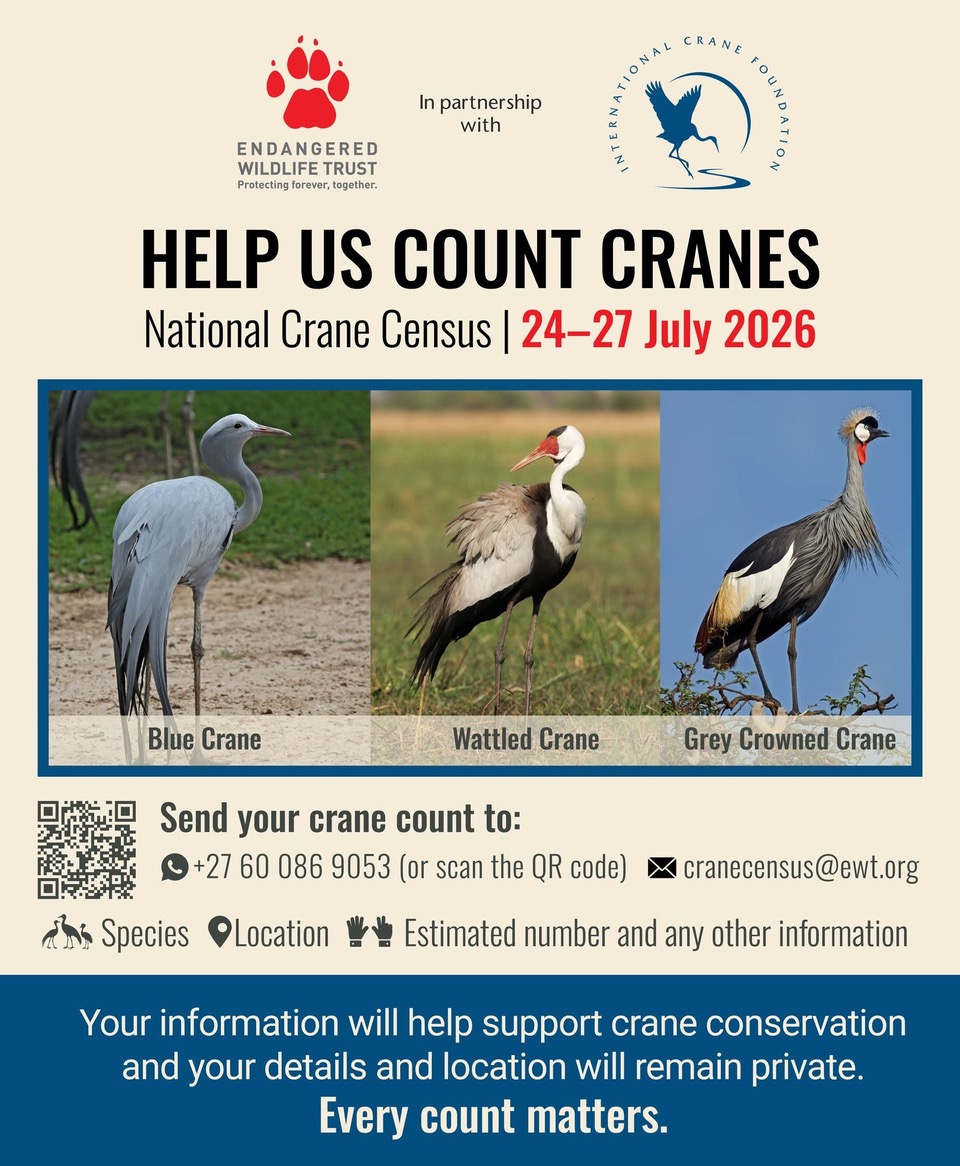
Send this information to EWT via WhatsApp on 060 086 9053, or scan the QR code on the census poster (shared below) to submit your sighting directly.
 by