A simulated mountain rescue has helped WSAR and the Table Mountain Aerial Cableway prepare for real emergencies as hiking activity increases.
Cape Town, South Africa (30 August 2026) – When someone gets into trouble on Table Mountain, every minute matters. That is why Wilderness Search & Rescue (WSAR) volunteers and the Table Mountain Aerial Cableway Company (TMACC) recently put their emergency rescue procedures to the test, carrying out a simulated mountain rescue designed to prepare both teams for the real thing.
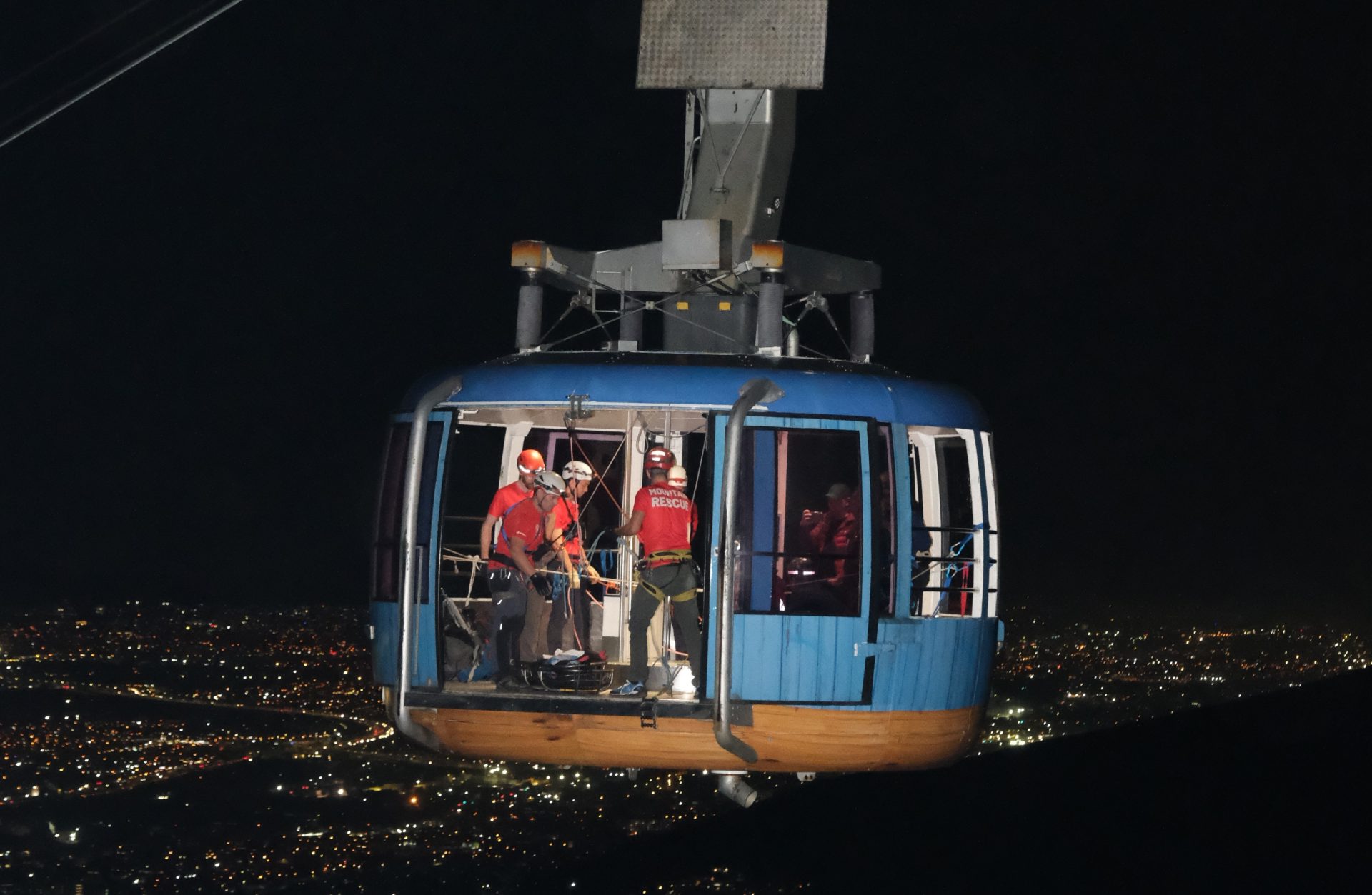
The exercise took place on Wednesday evening, 26 August, and simulated a scenario where an injured visitor needed to be evacuated from the mountain path using the Cableway.
During the exercise, a cable car was suspended above the mountain path while WSAR rescuers practised hoisting an injured patient up into the cabin. The patient would then be transported to the Lower Station, where an ambulance would normally be waiting to continue the journey to hospital.
While the rescue was simulated, the skills and coordination being practised are very real. The exercise gave WSAR volunteers and TMACC operational staff an opportunity to work through the procedures together, ensuring everyone understands how the Cableway infrastructure can be safely used during an emergency.
“WSAR’s volunteers do some of the most demanding and critical work on this mountain,” says Wahida Parker, Managing Director of TMACC. “We have enormous respect for that work, and see it as part of our responsibility to support it in every way we can, through training, and access to our infrastructure.”
As visitor numbers increase towards peak season, that preparation becomes even more important. Access to the Cableway during a real emergency can significantly reduce the time needed to evacuate an injured or ill visitor, helping patients reach medical care sooner while allowing volunteer rescue teams and resources to return to service more quickly.
“For a rescue service built almost entirely on volunteers, that kind of capacity is exactly what helps us keep pace with a busier mountain,” says David Nel, spokesperson for WSAR. “Wednesday’s exercise was a crucial part of how we prepare for the season ahead.”
Although WSAR teams are highly experienced in technical rescues, the Cableway presents its own unique environment. Practising inside and around the cabins allows rescuers to become familiar with the rigging, access points and procedures they may need to use during an actual emergency.
“The technical rescue skills involved are ones our teams know well, but the Cableway environment is unique,” Nel explains. “This training lets rescuers become familiar with the cabin’s rigging, access points and procedures, so they can operate safely and efficiently should a real emergency ever call for it.”
 Cape Town Shop Turns Surplus Food into Over R100,000 for the Hungry!
 Miss South Africa’s “The Mandate”: Preparing Women Not Just for a Crown, But for Leadership and Responsibility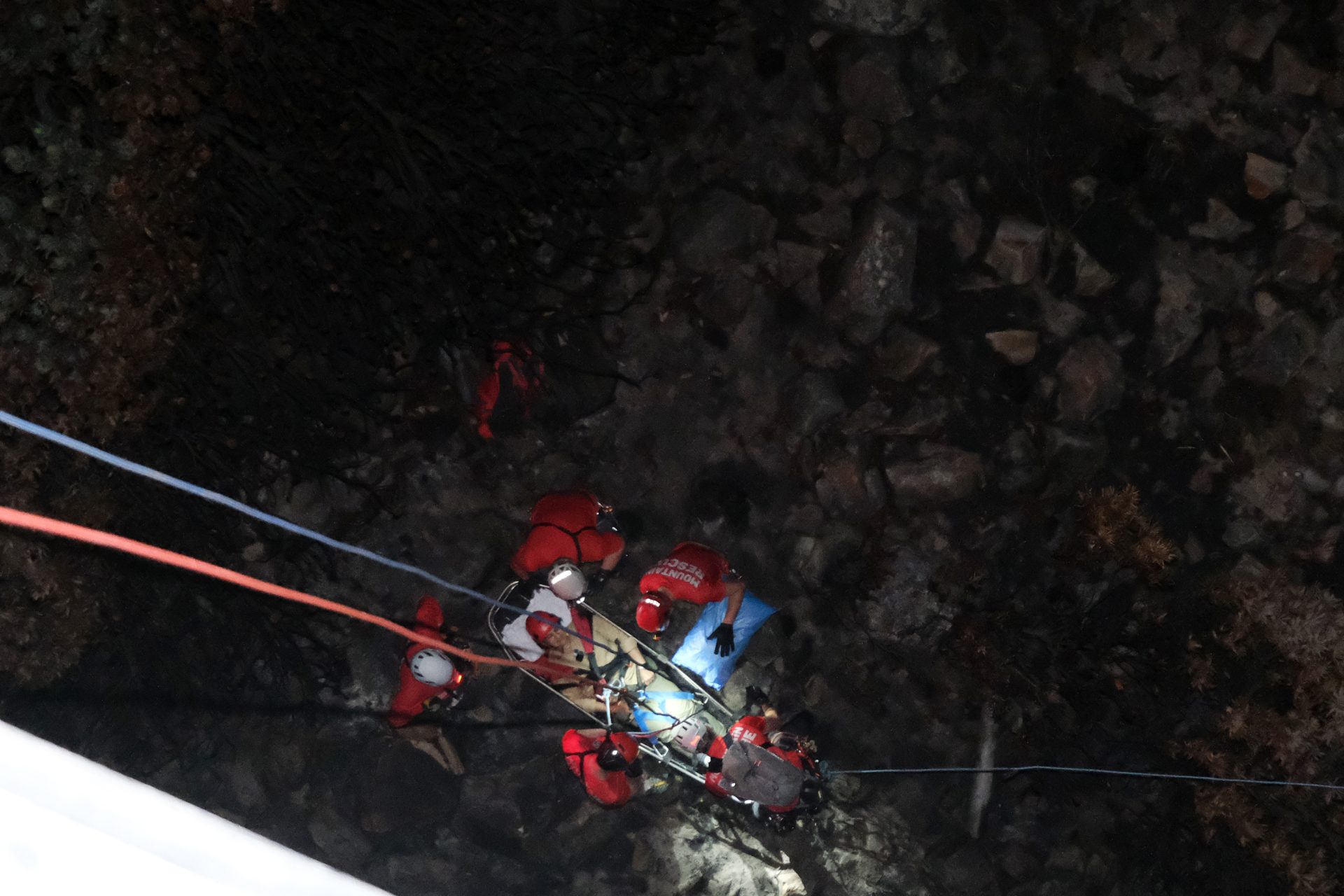
The partnership can make a significant difference to the people who need help, too. Nel says that without access to the Cableway, some rescues that can currently be completed in minutes could take hours, creating a potentially serious delay before a patient reaches definitive medical care while also placing greater physical demands on volunteer rescuers.
With hiking activity expected to increase over the coming months, both organisations are reminding visitors that good rescues often start with good preparation.
Hikers are encouraged to choose routes that match the ability of their group, carry enough water and warm clothing, take a charged phone, check weather conditions before setting out and stay together. Most importantly, anyone who thinks they may need assistance should contact WSAR early on 021 937 0300 rather than waiting until a situation becomes more serious.
“Reaching the summit is optional,” Nel says. “Getting home safely is not.”
And behind that simple reminder is a team of volunteers preparing to be there when things do go wrong.
“This is sensitive, often difficult work, carried out by people who give their time freely because they care about this mountain and the people on it,” concludes Parker. “We are proud to support WSAR’s work and to play our part in ensuring that, should an emergency happen, our teams are prepared and able to respond together.”
For visitors who do find themselves in an emergency, an emergency phone is also located at the Upper Cable Station and is managed by Metro Rescue.
The best rescue is always the one that gets someone home safely. And thanks to exercises like this one, the people ready to make that happen are preparing long before the next emergency call comes in.
Sources: Supplied
Don’t ever miss the Good Things. Download the Good Things Guy App now on Apple or Google.
Do you have something to add to this story? Please share it in the comments or follow GoodThingsGuy on Facebook and Twitter to keep up to date with good news as it happens, or share your good news with us by clicking here or click the link below to listen to the Good Things Guy Podcast with Brent Lindeque – South Africa’s very own Good Things Guy. He’s on a mission to change what the world pays attention to, and he truly believes there’s good news around us. In the Good Things Guy podcast, you’ll meet these everyday heroes and hear their incredible stories:
Or catch an episode of Good Things with Brent Lindeque or our Weekly Top 5 below. The videos here are always changing, updated with the latest episodes from these two shows. Both are part of Good Things TV, created to bring South Africans balance at a time when the news can feel overwhelmingly negative. Our goal is simple: to remind you that there are still so many good things happening in our country – and to leave you feeling a little more proudly South African.
 by
by