A Wits-led team has taken the first look inside the guts of wild African lions and found hundreds of microbes science has never met.
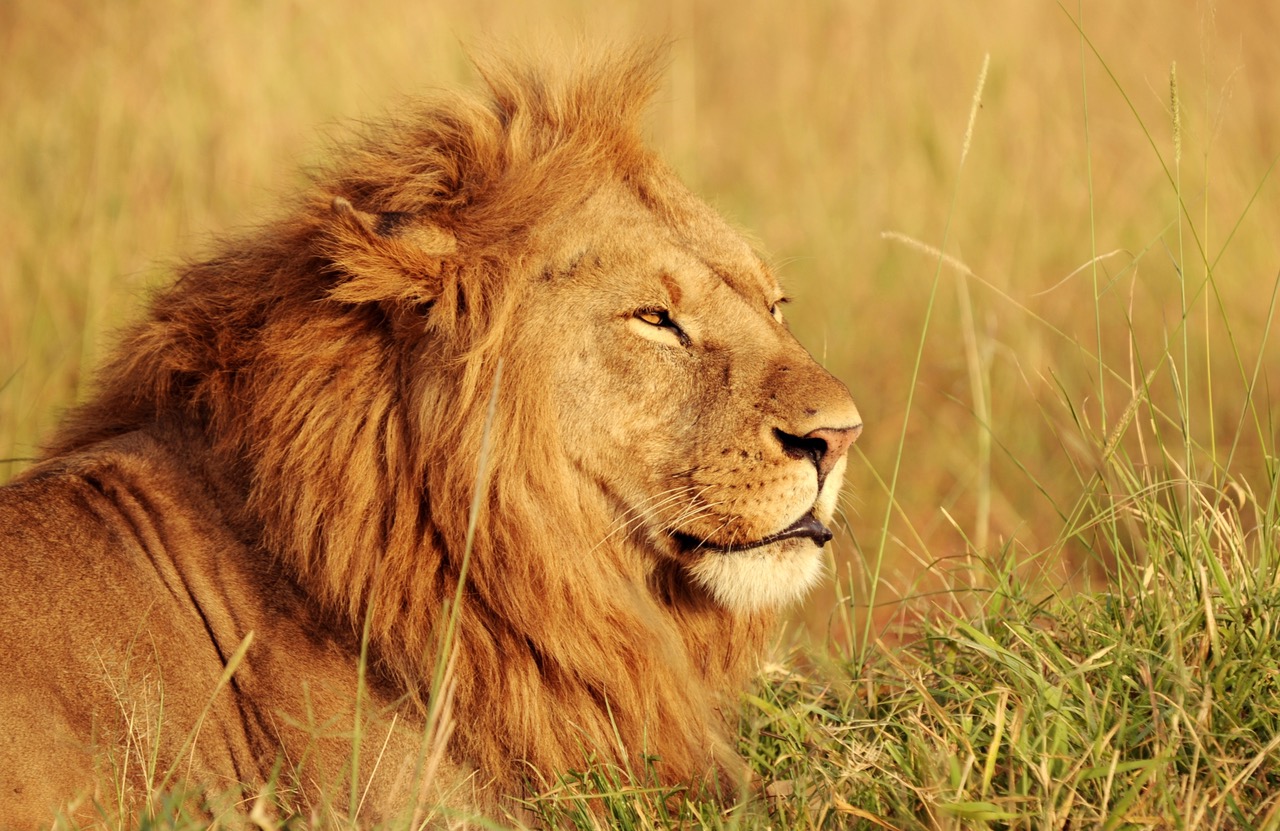
Johannesburg, South Africa (20 October 2026) – Researchers at Wits University have found hundreds of bacteria and viruses living inside wild lions, and most of them appear to be new to science.
It’s the first comprehensive look at the gut bacteria of free-living African lions. Earlier work mostly focused on small numbers of captive lions on controlled diets, so this offers a much fuller picture of what’s going on inside lions living in the wild.
The Wits-led team, which included scientists from Stanford University, the University of Georgia, Germany’s Leibniz Institute for Zoo and Wildlife Research, the University of South Africa and New Zealand’s University of Canterbury, studied 20 lions in Namibia’s Etosha National Park.
The microbiome study formed part of broader ecological research on Etosha’s lions.
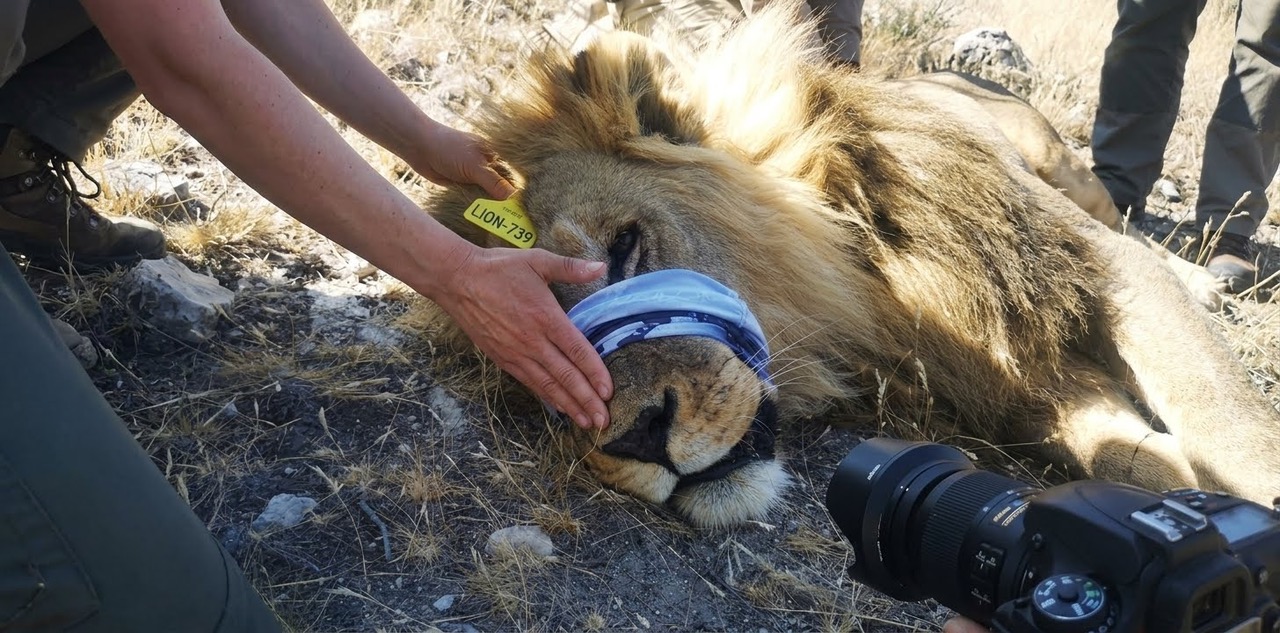
As per the Wits report about the microbiome study, researchers analysed 23 faecal samples in total. Lead author Carl Belger, who did the work for his Master’s degree, was the one on sample duty.
“I was at the back end of the lion – at the ‘business end’, should I say,” he says.
Faecal matter is actually a goldmine for scientists. Each sample is packed with the DNA of the bacteria and viruses living in the gut. One sample can reveal a whole hidden community. In lions, hardly anyone had looked.
“Very few papers had sequenced the gut microbiome of lions before,” he says. “The question was really: what does the gut microbiome of lions look like?”
A microbiome is the community of tiny living things, like bacteria and viruses, that lives in a particular place. In your body, in a lion’s belly, even in soil. These critters help with digestion and metabolism, and they can tell scientists a lot about an animal’s diet, surroundings and health.
Related Stories
 A Classroom Without Walls: StillWater Kids Discover the Healing Power of Nature
 Holiday Hikes on the Horizon? Table Mountain’s Trails Get a Safety Check
From the faecal samples, the researchers were able to piece together the genetic code of 318 bacteria and 102 viruses. Most of them were different enough from anything in the world’s scientific databases that they appear to be completely new species.
Professor Scott Hazelhurst, a bioinformatician at Wits who helped lead the study, says getting there was like doing a roomful of jigsaw puzzles at the same time. Except the pieces are all mixed together, some are missing, some are damaged and some are doubled up. The computers have to figure out which pieces go together. It was a big job.
“It is computationally intensive. The lion analysis involved tens of thousands of CPU hours and generated tens of terabytes of data,” says Hazelhurst. Even he was surprised by the results! “I did expect to find a lot of novel bacteria in the lions. I was surprised by how novel it was,” he says.
Why was so much of it unknown? Because computers can only name DNA if it matches something scientists have already catalogued, and wild animals are far less studied than humans, so the catalogue is thin. Once the team added their newly discovered lion genomes to the database, the amount of unidentified DNA dropped from 24.5% to 4.5%. In other words, the lions helped fill in a big gap in the map.
“Microbiota are key in any species as a key part of metabolism,” says Hazelhurst.
If we want to understand how lions live and stay healthy, we need to understand the tiny organisms inside them as well. There could be a conservation payoff down the line, too.
Studies in other animals suggest that life in captivity can lead to less diverse gut bacteria. Now that scientists know what a healthy wild lion gut looks like, they have a baseline to compare against in future, which could help with monitoring the health of threatened lion populations.
The study was small, so it can’t yet say how gut bacteria differ between prides, males and females, or young and old lions. Hazelhurst says future research could look at how they change with the seasons, during pregnancy or when lions are under stress.
Belger emphasises that this whole field is still brand new. The same microbes can turn up in different animals, and studying one species can help us understand others.
“Part of why we were able to classify the lion gut microbiome, for example, is because we’ve done the human microbiome,” Belger says. “It’s really important to think about all the species because they’re all connected.”
Researchers now have a proper picture of what’s inside a wild lion, and hundreds of new microbial genomes to build on.
 by