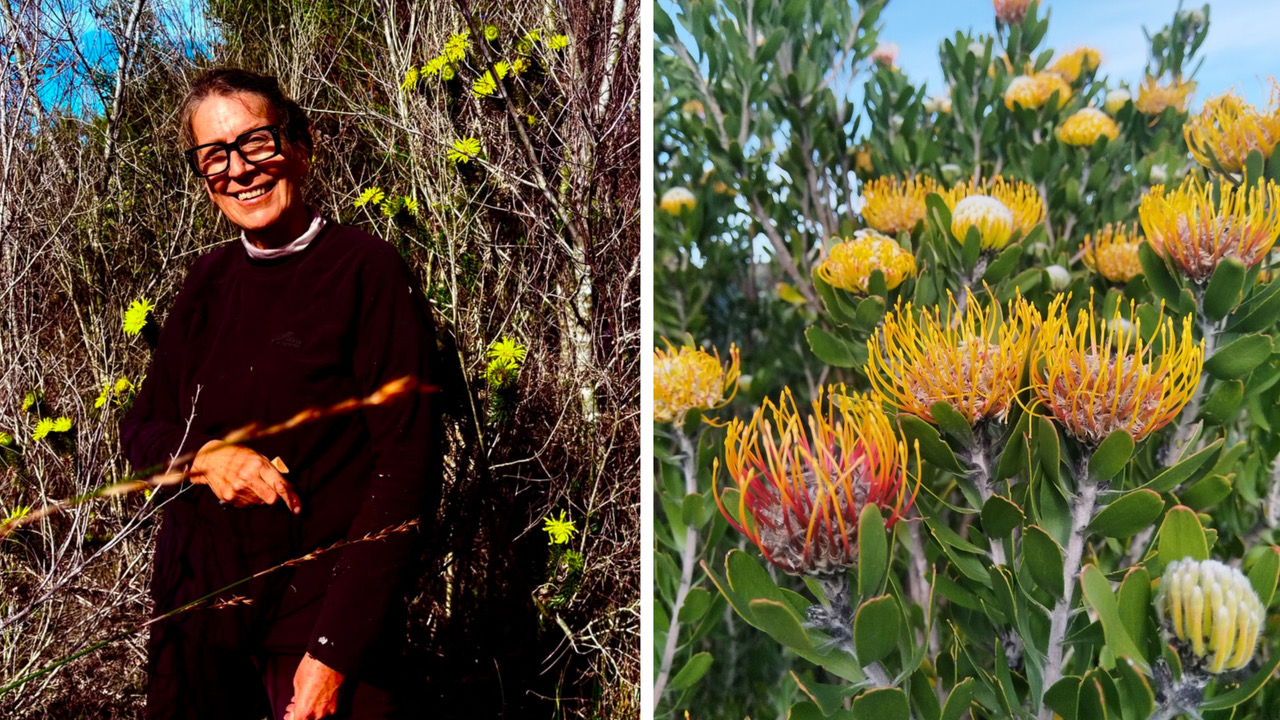
Women who love the wild – and protect it fiercely – are the women we want to stand behind. Dr Mars is one of them.
South Africa (18 August 2026) – We can’t think of a better time to share these wonderfully inspiring stories from women in the wild than in Women’s Month.
Wild Rescue has shared a beautiful series with us, focused on women who’ve dedicated their lives to nature stewardship and conservation.
The interviews were conducted by Wikus Engelbrecht for the organisation, and over the next few days we’ll be introducing you to a group of very different women who each found their way to the same calling of protecting nature.
A few of their careers were built in science, and others in business, education and communications. Once nature got hold of them, they never turned back. What they all have in common is the meaningful belief that conservation is about the people who live alongside the wild spaces we need to protect, the communities that depend on them, and the generations that are yet to come.
The series begins among the botanical kingdom of the southern Cape, where Dr Christina Mars is Still Bay’s very own free-range botanist.
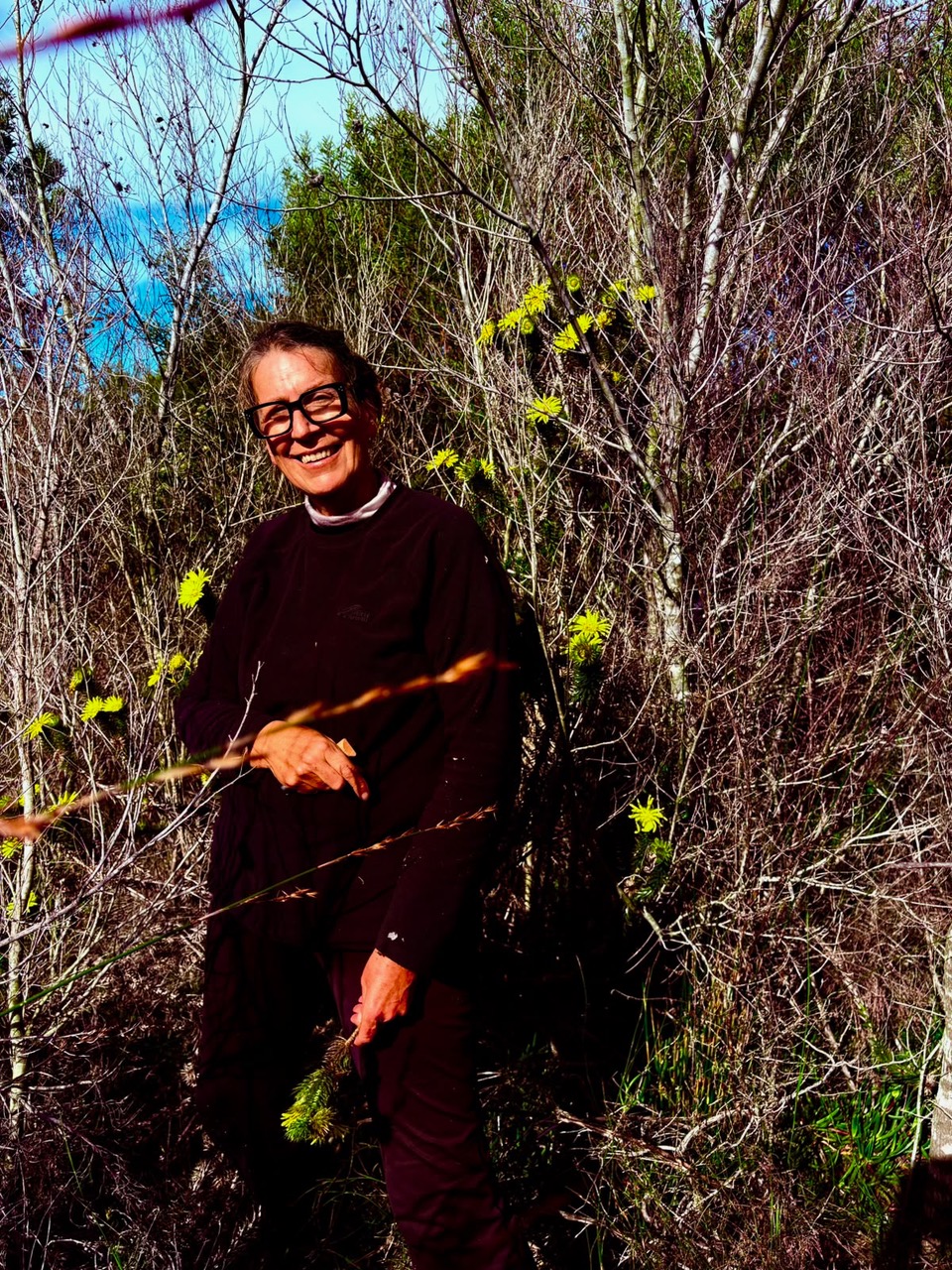
Christina’s curiosity and a willingness to get her boots muddy have carried her deep into the wonders of the botanical world. Through many years of study and observation in the field, she has made important contributions to SA’s botanical knowledge.
Her research focuses on the painstaking side of conservation that involves finding, recording and understanding the plants that make each landscape special, including species that may disappear before most people ever notice them.
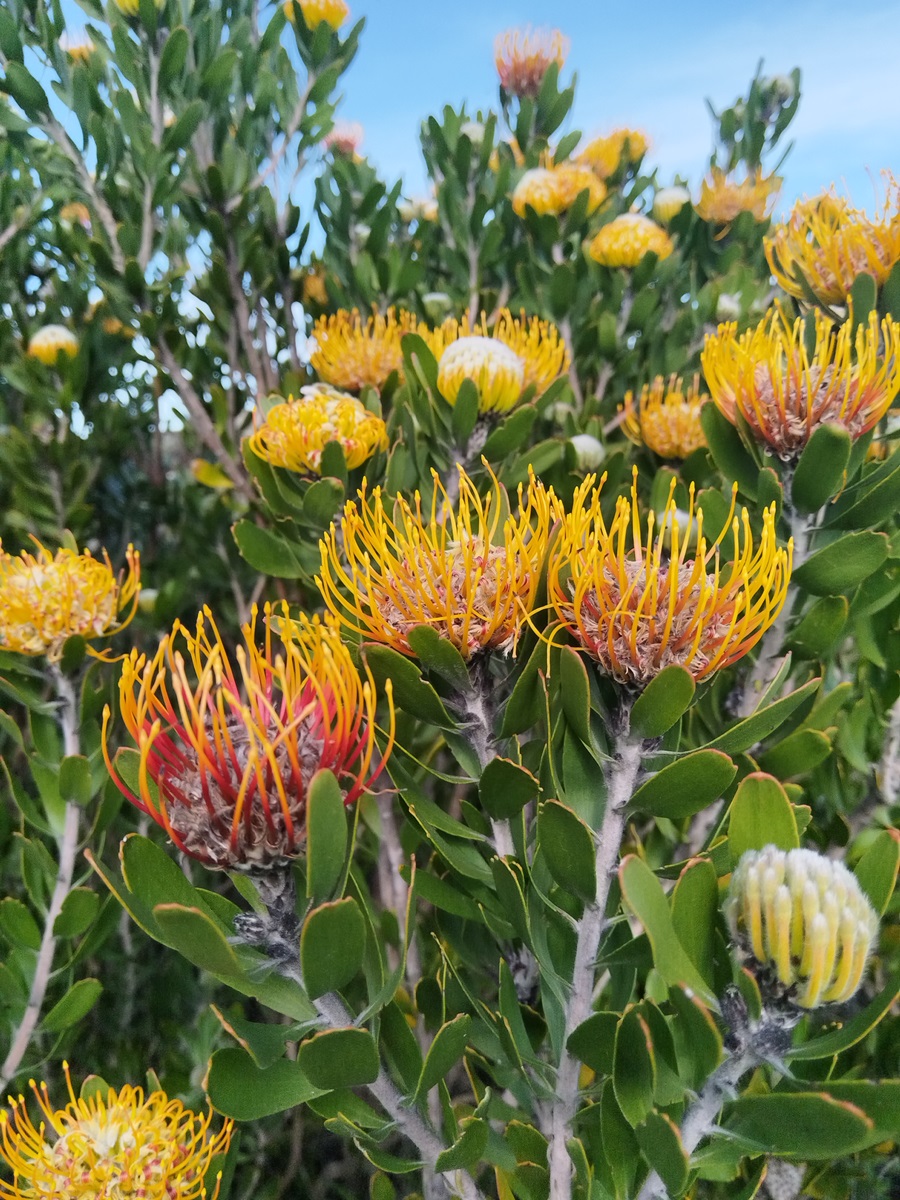
Christina is one of the leading botany experts in the southern Cape, and a champion of the Still Bay Herbarium. She spends her days out in the fynbos recording and studying the region’s indigenous plant species. Locally she’s known for her deep knowledge of the flora, her research into native ecosystems and coastal vegetation, and the botanical walks she runs through conservation areas like the Pauline Bohnen and Werner Frehse nature reserves.
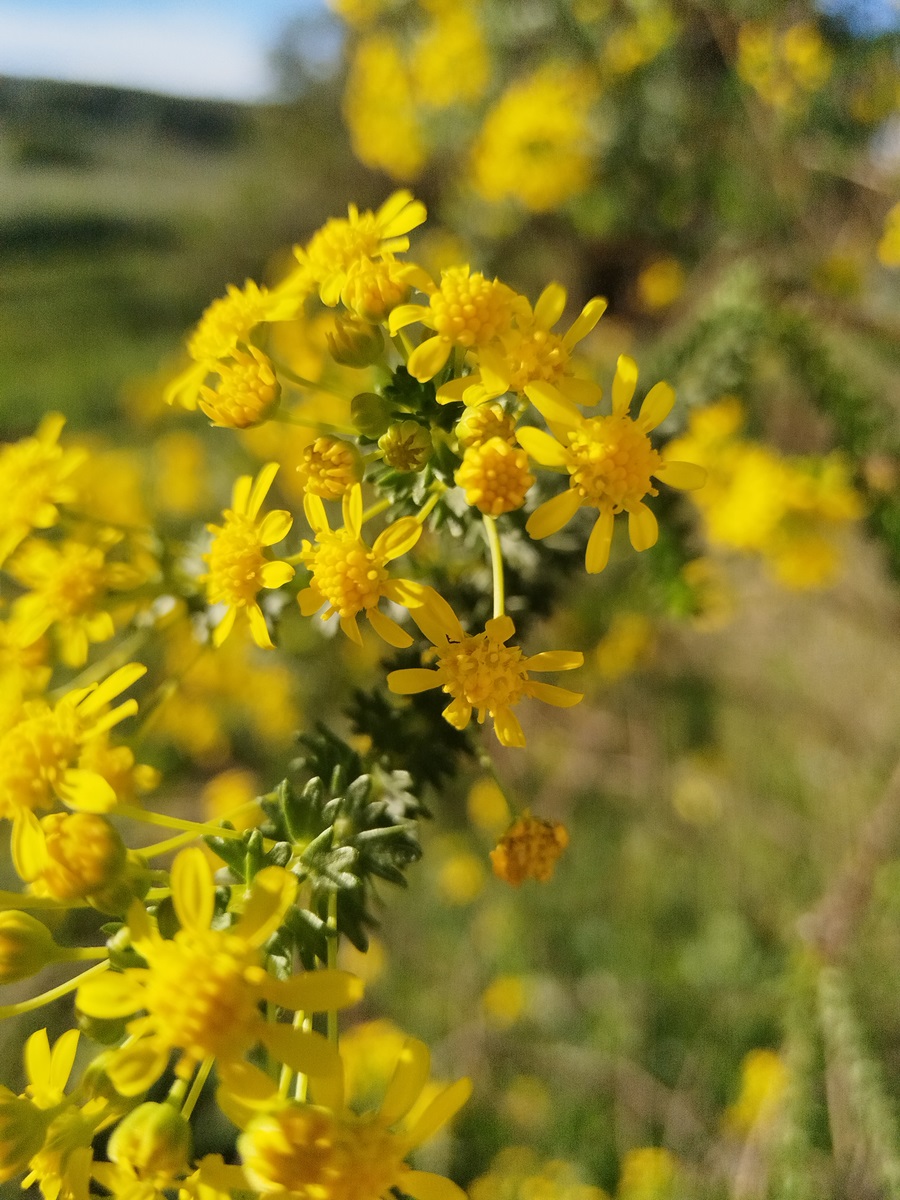
She’s also a research associate with the African Centre for Coastal Palaeoscience, where she studies coastal palaeoenvironments and indigenous ‘veld’ foods, and she regularly gets involved in regional conservation work, including biodiversity education alongside the Gouritz Cluster Biosphere Reserve.
Christina actually grew up far from South Africa, in the Swiss Alps, wandering the mountains and falling in love with the scenery and plant life around her. Getting to botany took a fairly roundabout route. She completed a Bachelor’s degree in French Language and Literature in France, a PhD in Political Science and Mandarin, and then, unexpectedly, a career in investment banking in England.
Related Stories
 Paw Prints Calls on Botha’s Hill Community to Help Save 2 Mommy Dogs on the Run
 The Hope Dealers: Alex Water Warriors Are Cleaning Up the Jukskei!
Eventually she decided that academic life wasn’t for her. She moved to South Africa with her husband, who’d grown up surfing around Still Bay, and the two settled in Stellenbosch at first. It was the south coast that eventually won them over for good.
That’s when her interest in botany really took hold.
“I first started studying plants 26 years ago when we moved to Still Bay and I needed to do some home gardening. I didn’t have much expertise at the time, but I knew I wanted to have an indigenous garden as our place was near the Skulpiesbaai nature reserve. It was then that I started volunteering at a local indigenous nursery to gain experience – run by Dr. Uys de Villiers ‘Tol’ Pienaar, a prominent South African conservationist, biologist, and former Chief Director of SANParks – along with his wife Annette who had retired to Still Bay.”
In 2017, Christina met fellow Still Bay botanist Naomi van Schalkwyk on a palaeoscience excursion. Not long after, the two decided to start a herbarium together, aiming to build a thorough record of the plant species found in their area.
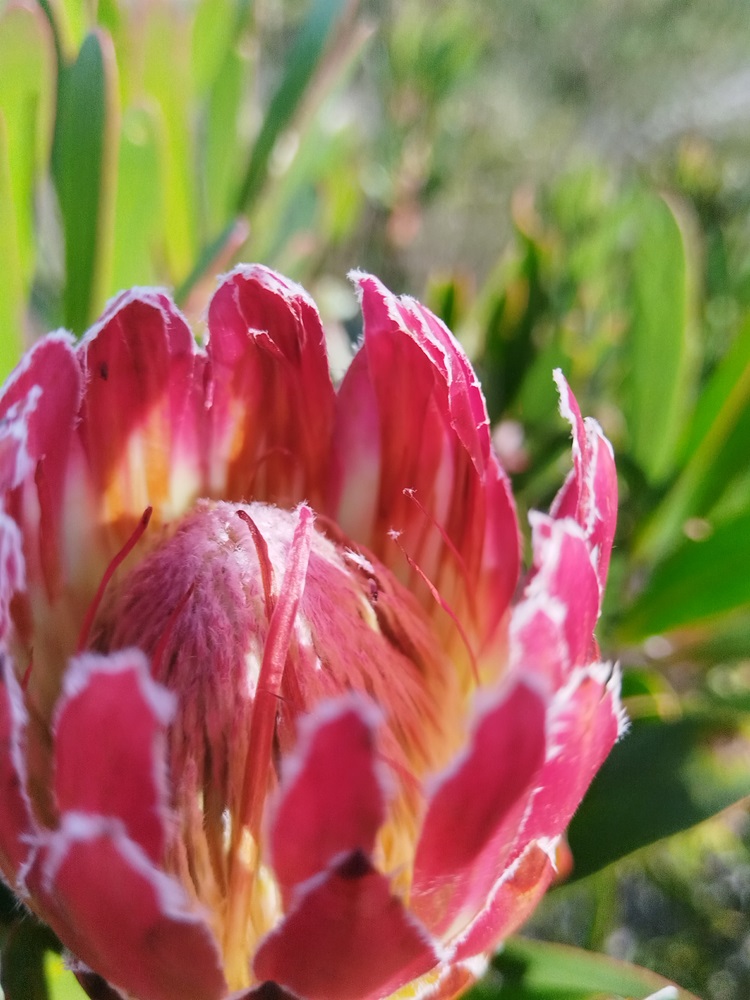
“Our herbarium really began to take shape around 2018 with all the plant samples that we had collected and in gaining permission to survey nearby farms,” Christina said. “These days things have gotten a little easier with the use of artificial intelligence in helping identify known plant species,” she quipped.
Christina is also a proud regional supporter of CREW – the Custodians of Rare and Endangered Wildflowers – and has spent years counting species and tracking their locations across the fields and mountains of the Western Cape, including keeping tabs on endangered plants. Thanks to that ongoing effort, the herbarium has now collected, identified, pressed and preserved around 5000 plant samples.
She has advice for anyone with a garden of their own, as that is where conservation really starts.
“Almost half of all alien plant species are escapees out of home gardens. One should avoid planting something just because it looks pretty. Instead you should check the lay of the land with regards to endemic species and take care to plant indigenous gardens, which would also be better adapted to local climes and soils. Some of the most troubling invasive species found in the wild today came out of residential areas.”
With regard to facing the bigger challenges in conservation in South Africa, Dr Mars admits that there is room for much improvement.
“I don’t think all of our agencies are functioning that well together. Non profits make offers to do the required work and some municipalities say that they will do it themselves instead, but then nothing much transpires. We need more collaboration across the board, and to stem the loss of experts from our institutions who really know what they are doing.”
“We need to closely monitor that proclamations for our nature reserves, such as Pauline Bohnen, are enacted and enforced – and endeavour to have fractured plots of land near reserves with indigenous plants consolidated into one custodianship or stewardship, to ensure that these are kept safe from illegal logging and plant theft. Additionally, the problem with some of our educational programmes is that we are largely preaching to the converted who already have an appreciation for nature, when we actually need to target those audiences who haven’t yet bought into the necessity of biodiversity conservation,” she continued.
Given that it’s Women’s Month, Wikus asked Christina what she’d say to women hoping to build a career in botany or the sciences.
“Making observations is the most important thing and for that you need to get in the field yourself and have a look around, building up your knowledge through practical experience rather than just researching on the internet.” she says. “Independence is crucial and women should stand on their own two feet without needing the traditional arrangement of having a partner to pay for everything. The freedom to choose to leave an undesirable situation is only earned by taking care of your own finances,” she added as advice.
Christina’s story reminds us that conservation really starts with paying careful attention. Before we can protect a species, we first have to know it’s there, understand where it lives, and recognise what makes its habitat worth saving. Her dedication to fieldwork and botanical recording shows how much can be achieved when scientific curiosity becomes a sustained commitment and why sharing that knowledge beyond scientific circles matters just as much as gathering it.
 by
by