More than 60 wine farms have helped conserve about 24,000 rugby fields worth of natural habitat in the Cape Floral Kingdom!
Western Cape, South Africa (24 June 2026) – More than 60 wine farms across the Western Cape’s world-famous winelands are helping to protect one of the most unique, threatened and important ecosystems in the world, the Cape Floral Kingdom.
It’s part of a long-running conservation partnership led by WWF South Africa, which has spent the past two decades working with the wine industry to make sure farming and nature can thrive side by side.
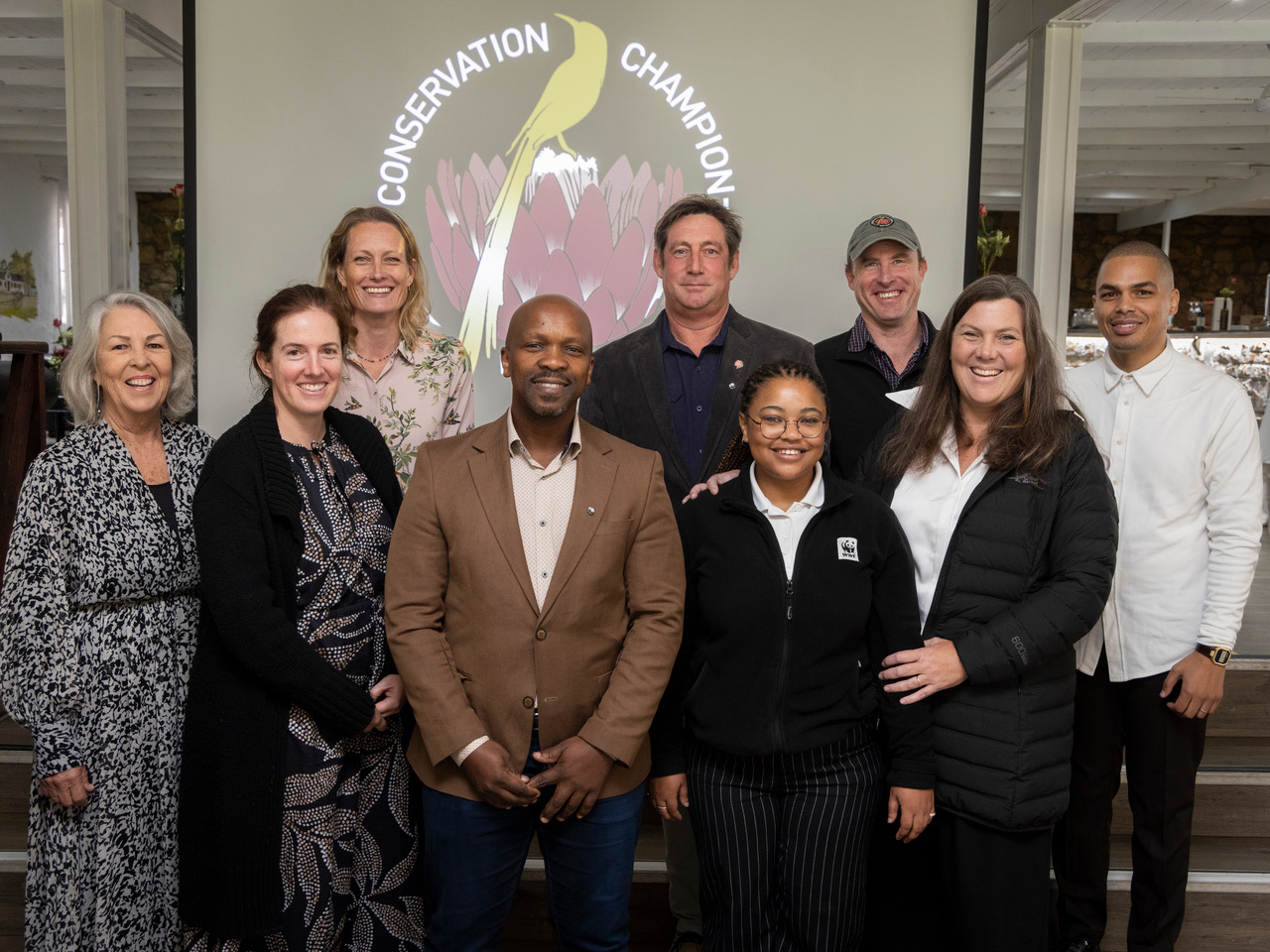
To mark the special milestone of 20 years in action, the programme – now known as WWF Conservation Champions – recently brought together farms, conservation experts and industry leaders in Grabouw to reflect on the incredible progress made and to look ahead at what comes next.
In the early 2000s, the rapid expansion of vineyards in the Western Cape started putting pressure on the region’s incredibly rich biodiversity. Large areas of natural habitat were under threat, especially in the Cape Floral Kingdom.
This led to the creation of a partnership between conservation groups and the wine industry, first launched as the Biodiversity and Wine Initiative. Wine farms committed to setting aside and managing natural land responsibly, while still running viable agricultural businesses.
Over time, the programme evolved into WWF Conservation Champions, with WWF South Africa continuing to guide and support farms that go beyond basic sustainability standards.
Today, more than 60 wine farms are part of the initiative. Together, these farms are actively conserving around 23,585 hectares of natural vegetation. A large portion of this land is classified as endangered or critically endangered, meaning it holds some of the most vulnerable ecosystems in the region.
That is almost equal to 24,000 rugby fields being managed for conservation alongside farming!
The Cape Floral Kingdom is the smallest of the world’s six floral kingdoms, but it is the most biodiverse, holding roughly 20% of our continents flora. WIth over 9000 plant species growing in the region, nearly 70% of them cannot be found anywhere else on Earth. It is irreplaceable.
Related Stories
 SA Conservation Doccie 'SPOILED' Wins Top Sustainability Award at International Film Festival in Spain
 They Made It! Young Animal Welfare Volunteers Off to Cape Town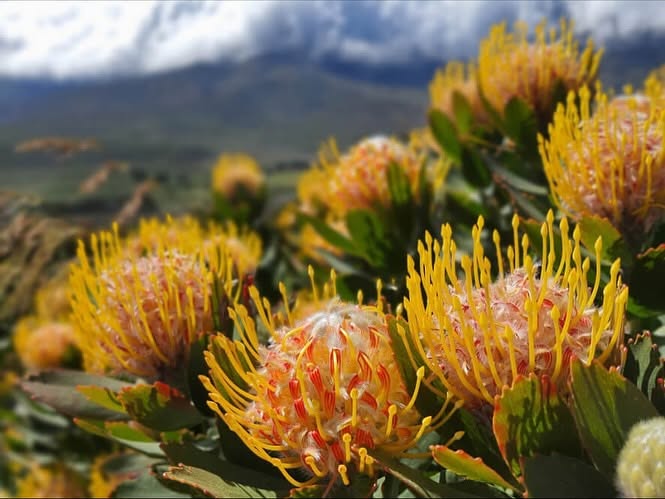
Long-standing participants in the programme include Vergelegen Wine Estate, along with newer members like Koopmanskloof and Zevenwacht.
One of the more practical parts of the programme has been supportive funding that helps farms carry out conservation projects they might not otherwise afford. This has supported work such as removing invasive alien plants that consume large amounts of water, restoring river systems and natural habitats, improving ecological management on farms, and supporting environmental education and eco-tourism projects.
Overall the programme has helped raise sustainability standards in the wine industry, and it has strengthened South Africa’s reputation as a producer of environmentally responsible, world-class wine!
“There is no economy without ecology. There is no business without nature. There is no wine in your glass without nature,” said Pavitray (Pavs) Pillay, Executive Head of Business Development & Marketing WWF-SA.
The focus now is on expanding the programme even further in areas with high biodiversity value, and creating stronger ecological connections between conserved areas across the landscape.
There are also plans to explore how this model could extend beyond wine into other farming sectors, including fruit production.
“May we continue to build a nature-positive South Africa, where people and nature thrive, and may every single glass of wine from South Africa continue to not only tell a story of excellence, but of stewardship, resilience, collective action and hope,” concluded Pillay.
 by
by