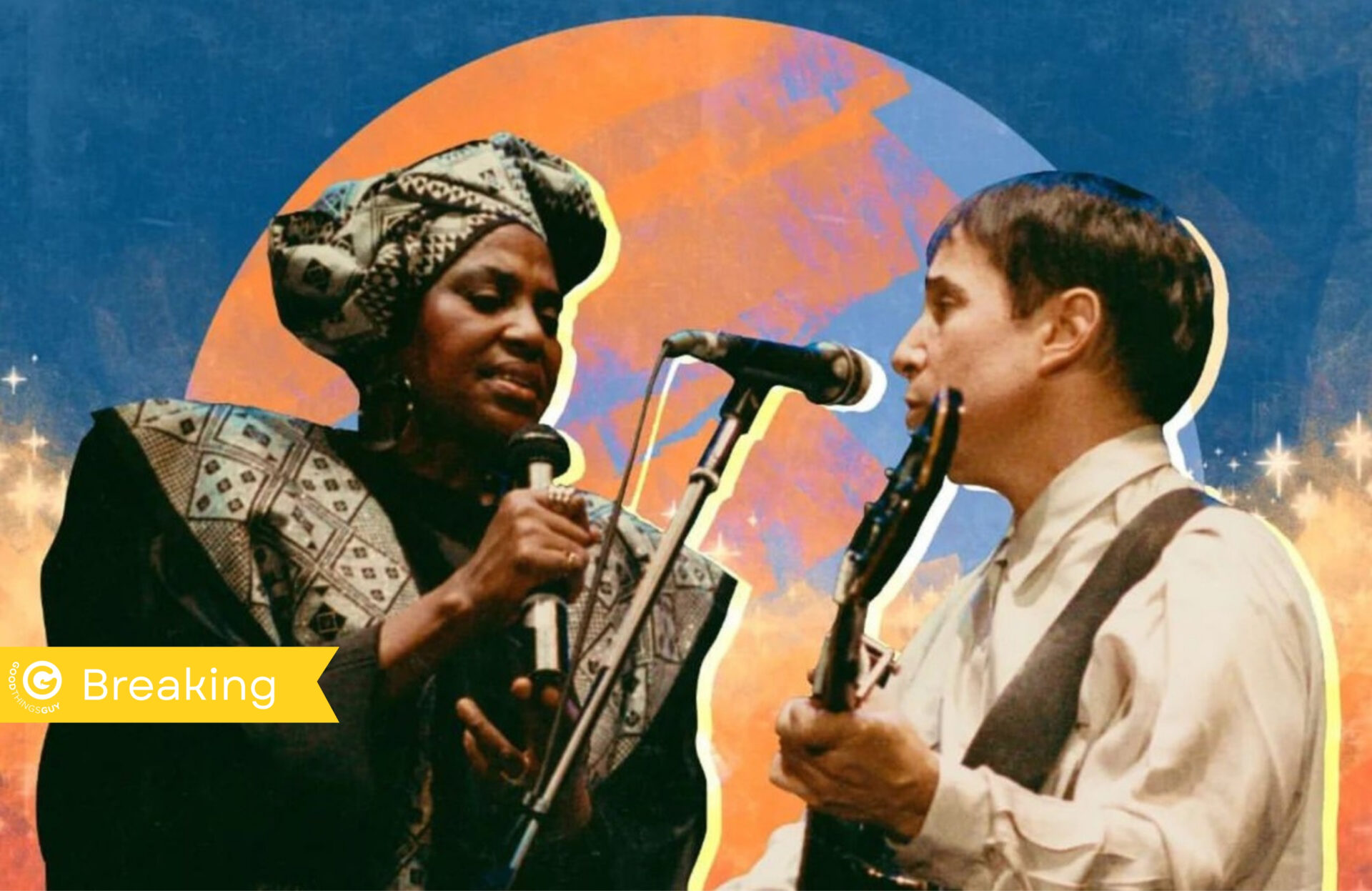
Paul Simon’s ‘Graceland’ is one of the most acclaimed albums in music history. Now, it’s coming to life on screen, and it’s going to be filmed here in SA!
Cape Town, South Africa (24 April 2026) – A movie about one of the most celebrated and controversial albums in music history is heading to the Mother City, with a star-studded cast and hundreds of jobs for South Africans.
The Road Home tells the story of how Paul Simon’s iconic 1986 album Graceland came to be, and the extraordinary people behind it. The film is set to be shot in Cape Town, bringing international and local stars together on home soil to share a South African story with the world.
Hugh Masekela was living in exile, pulled between two worlds. His mentor, Archbishop Trevor Huddleston, was leading the Anti-Apartheid Movement’s cultural boycott against Paul Simon, accusing him of violating the United Nations’ Cultural Boycott by working with South African artists on his groundbreaking new album.
For context – this boycott asked international artists not to perform, record, or collaborate in South Africa, as a way to isolate the apartheid government and apply pressure for change. By going ahead with recording sessions in SA, even while working with black South African musicians, Simon was seen as breaking that unified front.
But Masekela saw it differently. He saw the music as a weapon in the struggle, not a betrayal of it. And so he made a choice. Breaking with his mentor, Masekela joined forces with Simon and his lifelong collaborator, the iconic Miriam ‘Mama Africa’ Makeba, to form the Graceland band. Soon they became a supergroup built to carry SA’s voice to the world.
The Road Home is the story of how that happened, and what it cost, and what it ultimately gave to a country on the edge of change.
South African actor Thabo Rametsi leads the cast as Hugh Masekela, joined by Guy Pearce as Archbishop Trevor Huddleston, and Cynthia Erivo as Miriam Makeba.
When it was released in 1986, the Graceland album introduced the world to South African sounds, especially isicathamiya and mbaqanga, through collaborations with artists like Ladysmith Black Mambazo.
Related Stories
 Monica November is an ECD Principal Who Provides the Support She Wished She Had as a Child
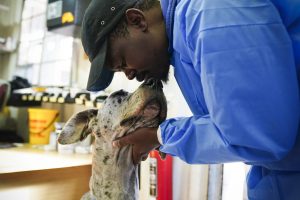
 Temu Refused to Leave His Poisoned Dog's Side and Love Won the Day!
But recording it in apartheid South Africa, in defiance of the cultural boycott, sparked fierce and painful debate. Was it exploitation? Was it solidarity? Was it both?
The album ultimately became something more important. It shone a light on talent the world had been cut off from, drew international attention to South Africa’s political realities, and showed how music could cross all borders.
Producers have noted that the screenplay was written care and is not a story told from the outside. Research drew extensively on the Hugh Masekela Heritage Foundation, was enriched by acclaimed South African novelist Zakes Mda, and included in-depth interviews with Paul Simon himself.
The R300 million production will be produced by STUDIOCANAL, the in-house studio of CANAL+, in partnership with Flora Films.
Shot entirely in Cape Town, it will bring over 300 jobs to South African crew members, with only a handful of specialist roles filled internationally. The cast includes 68 local actors, an estimated 3,500 extras, and globally recognised South African musicians.
Principal photography kicks off on June 29th. South Africa is ready!
 by
by