Sometimes, loving nature also means knowing when to leave it alone.
Western Cape, South Africa (23 July 2026) – What comes to mind first when you read the words ‘biodiversity crime’? You might picture rhino poachers or smugglers moving illegal wildlife across borders. That is definitely part of it.
CapeNature wants South Africans to know that biodiversity crime is a much bigger, much closer-to-home category than that – and a lot of us have probably broken the rules without even realising it.
Wandering off a hiking trail to get a better photo, pocketing a pretty shell at the beach, picking a wildflower to press in a book, fishing without checking if you need a licence – none of these feel like crimes. But in protected areas, they are. Because they can all lead to bigger consequences.
One person picking one flower isn’t going to collapse an ecosystem, but protected areas in the Western Cape see hundreds, sometimes thousands, of visitors a year. If even a fraction of them pick a flower, pick up a shell, or step off the path, the damage compounds and suddenly, there are trampled plants, disturbed habitats, animals losing food sources, and fragile environments taking hits they can’t easily recover from.
“Nature is not a souvenir to be taken home, a shortcut to be explored off-trail, or a playground without rules. The Western Cape’s biodiversity depends on the responsibility of all who visit Protected Areas.” says CapeNature CEO Dr Ashley Naidoo.
“While many biodiversity offences may seem minor in isolation, their cumulative impact can be significant. By making responsible choices and respecting the regulations that protect our environment, every visitor can contribute to safeguarding our biodiversity.”
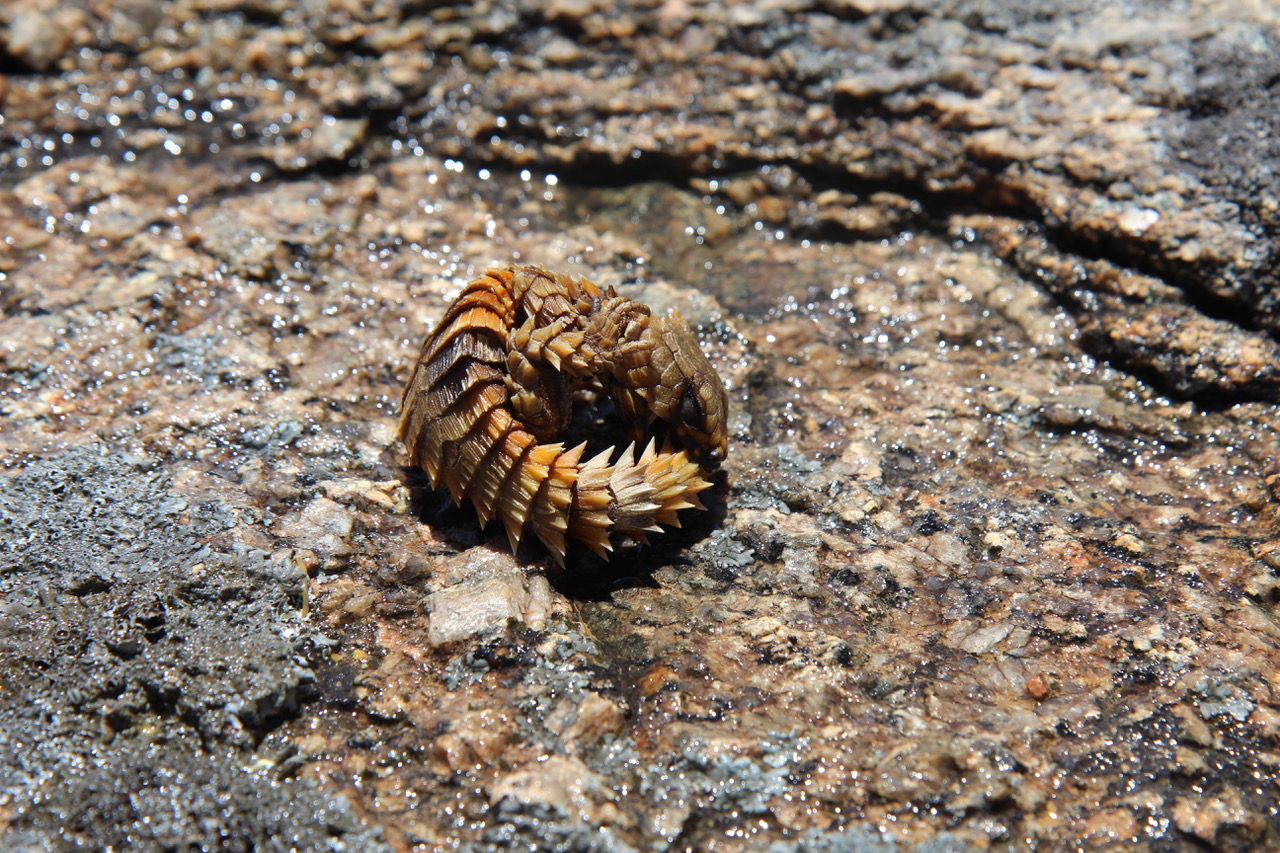
Not everyone breaks the rules by accident. Not all biodiversity crime is innocent ignorance. Some of it is deliberate, and some of it is serious. Earlier this year, CapeNature and the SAPS worked together on a case involving a Spanish national who had illegally imported and kept 22 armadillo girdled lizards and a speckled dwarf tortoise. He was fined R500,000, and the animals – both species that don’t cope well with being pulled from the wild – were moved to proper care. It made headlines across the country. Cases like this are a reminder that the illegal pet trade is still very much a threat to South Africa’s more vulnerable species.
But alongside the big, headline-making cases, CapeNature is also dealing with a steady stream of smaller offences. Between April and June this year alone, the organisation opened 10 biodiversity crime cases involving plants, animals and marine life, and handed out 48 fines for things like illegal fishing, damage to protected plants, and rule-breaking inside nature reserves.
CapeNature’s job isn’t only about catching people after the fact. A big part of their work is education and awareness, making sure people actually know the rules before they end up breaking them. They also lean on law enforcement, working alongside SAPS, conservation partners and local communities to investigate and act on both minor and serious offences.
Related Stories
 Two Rescued Doelings Find a Happy New Friendship at Joburg SPCA
 Celebrating Barbara’s 18 Years of Service, Leadership and a Lot of Happy Tails!
So what can you actually do?
- Secure the correct permit before you head into a protected area
- Stick to the marked trails, even if the ‘shortcut’ looks tempting
- Know your fishing regulations and catch limits before you cast a line
- Leave flowers, shells and rocks exactly where you found them
- Give wildlife its space – don’t approach, feed or disturb it
- If you see something that looks off, say something
Tip-offs from ordinary members of the public help investigators build cases and stop damage before it spreads.
South Africa’s biodiversity is one of the richest on the planet, and looking after it isn’t just a job for park rangers and conservationists. It’s something everyone visiting these spaces has a hand in – one trail, one flower, and one small decision at a time!
Seen something suspicious? Report it to your nearest police station, call CapeNature on 087 087 9262, or reach the crime stop tip-off-line on 08600 10 111.
 by
by