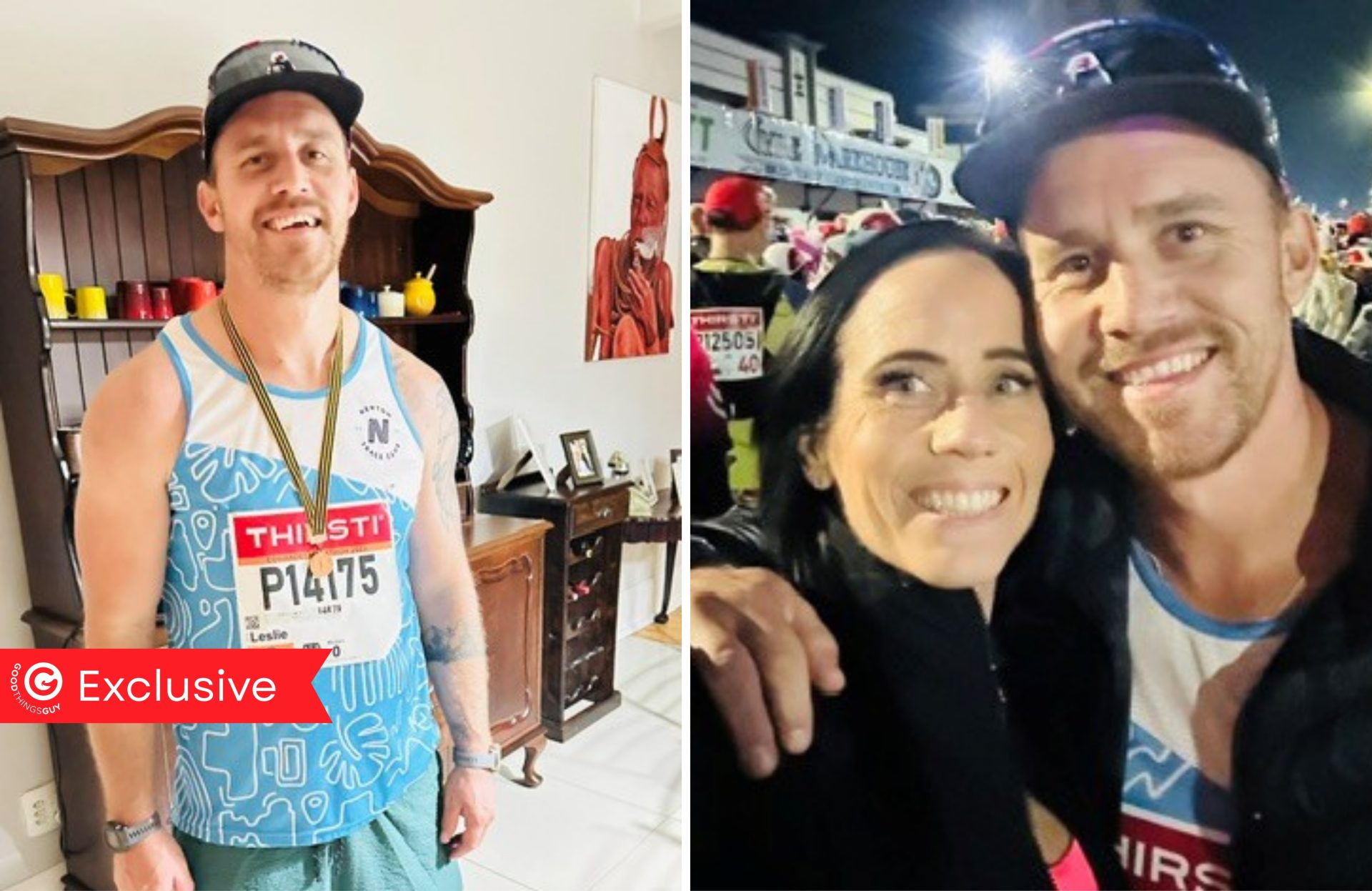
When a frightening post-Comrades Marathon medical emergency pushed Leslie and Sarah to the financial brink, they made the tough decision to move to a Durban state hospital. There, they received the extraordinary care and compassion that not only gave Leslie his life back but also restored their faith in the public healthcare system.
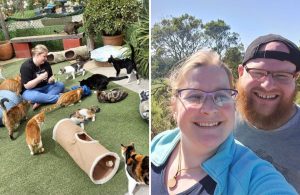
Durban, South Africa (30 July 2026) – When Sarah Morrow’s boyfriend, Leslie Davenport, completed the Comrades Marathon last year, she was filled with pride watching him cross the finish line. While she expected him to experience some aches and pains after such a massive physical feat, nothing could have prepared them for what followed.
Two days after the race, Leslie fell terribly ill, displaying concerning symptoms and severe pain. Following a recommendation from a private GP, they rushed to a private hospital emergency room in Durban for treatment.
“However, they would not even look at Leslie before I had paid to open a file and for the doctor’s consultation. He was so ill he could barely stand,” Sarah recalls.
Because Leslie had no medical aid, every expense had to be paid straight out of pocket. They spent the entire day trying to get him treated. By 11 pm, Sarah had already spent R12,000 on continuous blood tests, doctor consultations, and specialist evaluations.
After a long and stressful back and forth, the trauma doctor delivered the awful news that Leslie was suffering from severe rhabdomyolysis and his kidneys had gone into failure.
“It would have cost in the region of R110,000 just for five nights at the private hospital, excluding all the medical equipment, blood tests he needed twice a day and specialist doctors for the condition.”
Realising that private care was financially out of reach and that Leslie needed immediate intervention, they made the difficult yet necessary decision to move him to a public facility.
Sarah pleaded with their doctor and the attending specialist to have Leslie transferred to Victoria Mxenge Hospital (formerly King Edward VIII Hospital), hoping it would offer the best possible care under the circumstances.
“On arrival, I had to open a file for him. It only cost R165. From there he was sent to the triage room, and his specialist was already waiting for him at around 2 am in the morning. He was immediately put on drips, more bloods were taken, and he was eventually transferred to a surgical ward for the rest of the night. His bed was spotless, the linen old but clean,” shares Sarah, who was taken aback by the efficiency and care they received.
 Megon Cared for Both Her Parents. Now It’s Her Turn to Be Cared For
 'I'm Struggling With Two!' – Student in Awe of One-Armed Ceramics Lecturer
Sarah says that the nurses were “unbelievable” – in the best way, the wards were so clean “you could eat off the floor”, the food was good and on time, the medical care was brilliant and Leslie saw his specialist doctor almost every day.
“The nursing staff sang every night in the ward and on Sundays they sounded like the church choir had arrived. The security was strict with visiting times and strict with the number of visitors per patient.”
After 18 days in the hospital, Leslie received the care that brought him back to good health, all for just R165.
And although his life and business were put on hold for months and he suffered significant setbacks along the way, Leslie and Sarah will never forget the care that carried them through such a frightening time. Leslie’s kidney function recovered from a critical 2% back up to 60%, and through sheer determination and grit, he has slowly begun rebuilding his business.
Leslie personally sent a letter of thanks to the hospital manager and received a prompt reply from the CEO himself. Both he and Sarah hope their story inspires a little more faith in state healthcare, as it is the very reason they have a future to look forward to today.
“I know that the South African public healthcare system has its issues and often gets a bad rep, BUT without it, Leslie wouldn’t have made it. We will be forever grateful,” Sarah says.
 by
by